


In a world where innovation reigns and adaptability is the norm, business schools are at a crossroads, faced with the pressing challenge of staying relevant in a rapidly evolving landscape. As we step into 2025, the conventional paradigms of education are being scrutinized more than ever before. While many institutions have taken strides toward integrating technology, fostering inclusivity, and emphasizing ethical leadership, there remain notable gaps in their approach to preparing the leaders of tomorrow.This article delves into the persistent pitfalls that continue to plague business schools, exploring the disconnect between theoretical knowledge and practical application, the overlooked significance of emotional intelligence, and the critical need for a holistic view of global business practices. Join us as we examine what these esteemed institutions still get wrong and how they can recalibrate their strategies to nurture a new generation of forward-thinking leaders.
What Business Schools Miss in Adapting to the Evolving Job Market
The landscape of the job market is morphing at an unprecedented pace, yet many business schools continue to anchor their curricula in outdated methodologies. Traditional case studies, while insightful, often lack the dynamism needed to reflect real-world challenges faced by contemporary businesses. Additionally, the integration of the latest technologies into the curriculum remains insufficient, leaving students unprepared for the demands of roles in sectors like artificial intelligence, data analytics, and digital marketing. By failing to emphasize hands-on experience with innovative tools and platforms, these institutions miss the prospect to bridge the skills gap that has become evident in conversations between employers and graduates.
Furthermore, an overemphasis on theoretical knowledge can alienate potential candidates from essential soft skills. Characteristics such as adaptability,emotional intelligence,and effective interaction are crucial in today’s fluid workplaces,yet these skills are often relegated to the background.Business schools should be embracing a more holistic approach, blending hard and soft skill development through collaborative projects, internships, and real-time problem-solving sessions. To illustrate this misalignment,consider the following table comparing core competencies that are often overlooked against the emerging demands of the job market:
| Core Competencies | Current Emphasis in Business Schools | Emerging Demands in Job Market |
|---|---|---|
| Data Literacy | Limited focus on statistics | proficiency in data analysis and visualization |
| Emotional Intelligence | Occasional workshops | Deep understanding of team dynamics and conflict resolution |
| Innovation Mindset | Rigid curriculum | Agile thinking and creativity in problem-solving |
| Remote collaboration | In-person teamwork focus | Multichannel communication skills and virtual teamwork |
Balancing theoretical Learning with Practical Application for Real-World Success
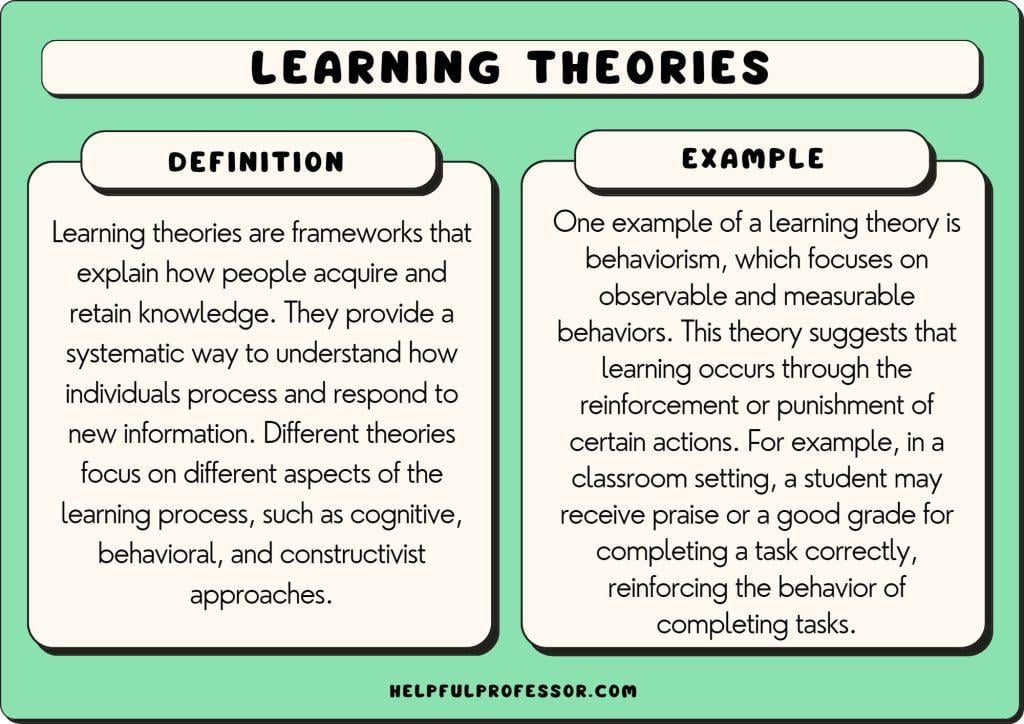
In the rapidly evolving landscape of 2025, business schools frequently enough anchor their curricula in traditional theoretical frameworks that lack the dynamism required for real-world relevance. While foundational concepts undeniably hold value, they must be counterbalanced with hands-on experiences that mirror the complexities of modern business. Students thrive when exposed to a blend of classroom learning and experiential opportunities, such as:
- Internships that allow for immediate application of classroom theories in actual business environments.
- Case studies sourced from contemporary challenges faced by businesses, fostering problem-solving skills.
- Live projects where students collaborate with companies to tackle specific issues,enhancing both learning and networking.
Moreover, effective education in today’s digital age necessitates the integration of technology into the learning process.This encompasses not only the use of simulation software and online collaboration tools but also the adoption of agile learning methodologies that prepare students for unpredictable business challenges. A strategic approach could involve the implementation of regular workshops and seminars led by industry leaders, focusing on trending topics and offering real-time insights into market shifts.The following table illustrates the pivotal areas where business schools frequently miss the mark:
| Aspect | Common Pitfalls | Suggested Solutions |
|---|---|---|
| Curriculum Design | lacks practical application | Incorporate live case studies and projects |
| Industry Connections | Few collaborations with actual businesses | Establish strong partnerships for internships |
| Skill Development | Focus on theory over skills | Enhance focus on soft skills and tech tools |
Neglecting Emotional Intelligence in the Curriculum: A Key Business skill
In a rapidly evolving business landscape, the absence of emotional intelligence training in educational programs stands out as a glaring oversight. While technical and analytical skills remain crucial, they pale in comparison to the significance of fostering emotional awareness and interpersonal skills. Today’s businesses thrive on collaboration, adaptability, and empathy, making it essential for aspiring leaders to possess a deep understanding of their own emotions and those of others. By neglecting this critical aspect of education, institutions inadvertently prepare graduates who may excel in theory but falter in practical, people-oriented situations.
To make a compelling case for integrating emotional intelligence into the curriculum, it is essential to highlight its direct impact on workplace dynamics and overall organizational success. Consider the following:
- enhanced leadership: Leaders with high emotional intelligence can inspire and motivate their teams more effectively.
- improved Communication: Understanding emotions improves clarity and reduces miscommunication.
- Stronger Team Dynamics: EQ fosters trust and collaboration among team members.
- better Conflict Resolution: Individuals with emotional savvy can navigate disagreements while maintaining relationships.
In response to these insights, a structured emotional intelligence module can be implemented across various courses. As an example:
| course | Emotional Intelligence Focus |
|---|---|
| Leadership Studies | Empathy in Leadership |
| Negotiation Tactics | Managing Emotional Responses |
| Teamwork implementation | Building Trust and Rapport |
By weaving emotional intelligence into the fabric of business education, institutions can equip future leaders with the tools they need to navigate the complexities of human interactions and drive meaningful change within their organizations.
The Importance of Diversity and Inclusion in Shaping Future Leaders

The landscape of leadership is evolving, and business schools must adapt to this transformation by embracing a complete approach to diversity and inclusion. Future leaders are not just defined by their skill sets but by their ability to engage with multifaceted perspectives that cultivate innovation and resilience. Integrating diversity and inclusion into curricula can definitely help students develop crucial soft skills, such as empathy, emotional intelligence, and cultural competence. These attributes enable them to connect with diverse teams and clients, fostering a work surroundings that encourages collaboration and enhances problem-solving capabilities.
Moreover, leadership training that is inclusive can dismantle systemic barriers and promote equal opportunities.This can be achieved through practices such as:
- Inclusive recruitment strategies that attract a wider pool of candidates.
- Curriculum development that reflects global perspectives and case studies.
- Mentorship programs linking students with diverse leaders in the industry.
Failing to prioritize these elements not only risks alienating a significant portion of the talent pool but also deprives future leaders of the adaptability necessary in today’s globalized economy. acknowledging and championing diversity is no longer an option; it is indeed a critical imperative for cultivating innovative leaders prepared to tackle the challenges of tomorrow.
Overlooking Sustainability: Integrating Environmental Responsibility into Education

As business schools continue to adapt to the ever-changing landscape of global commerce, one critical aspect that remains overlooked is the integration of environmental responsibility into their curricula. In 2025, many institutions still prioritize traditional business metrics, often neglecting to equip students with the necessary tools to address the environmental challenges faced by corporations today. By failing to incorporate sustainability as a core component, these programs risk producing leaders who are ill-prepared for the complexities of eco-conscious decision-making. It is essential for educational institutions to ..
- Embed sustainability in all courses, from finance to marketing, ensuring that students understand the environmental impact of their decisions.
- Promote interdisciplinary collaboration where students from different disciplines can work together on sustainability projects.
- Incorporate real-world case studies that highlight successful sustainable practices by leading corporations, showcasing both challenges and opportunities.
Moreover, the lack of practical experience in sustainability initiatives in business education serves as a disservice to future leaders. While case studies are valuable, students should also have the opportunity to engage in hands-on projects, internships, and partnerships with organizations focused on environmental responsibility. To address this gap, business schools can leverage innovative models that connect academic learning with practical application, allowing students to execute sustainability initiatives themselves.
| Current Shortcomings | Proposed Solutions |
|---|---|
| Limited focus on sustainability in core courses | Incorporate sustainability throughout the curriculum |
| Lack of practical experience in sustainability projects | Develop partnerships for hands-on internships |
| Insufficient interdisciplinary collaboration | Encourage joint initiatives across different fields |
Rethinking Pedagogy: Embracing Technology for Enhanced Learning Experiences
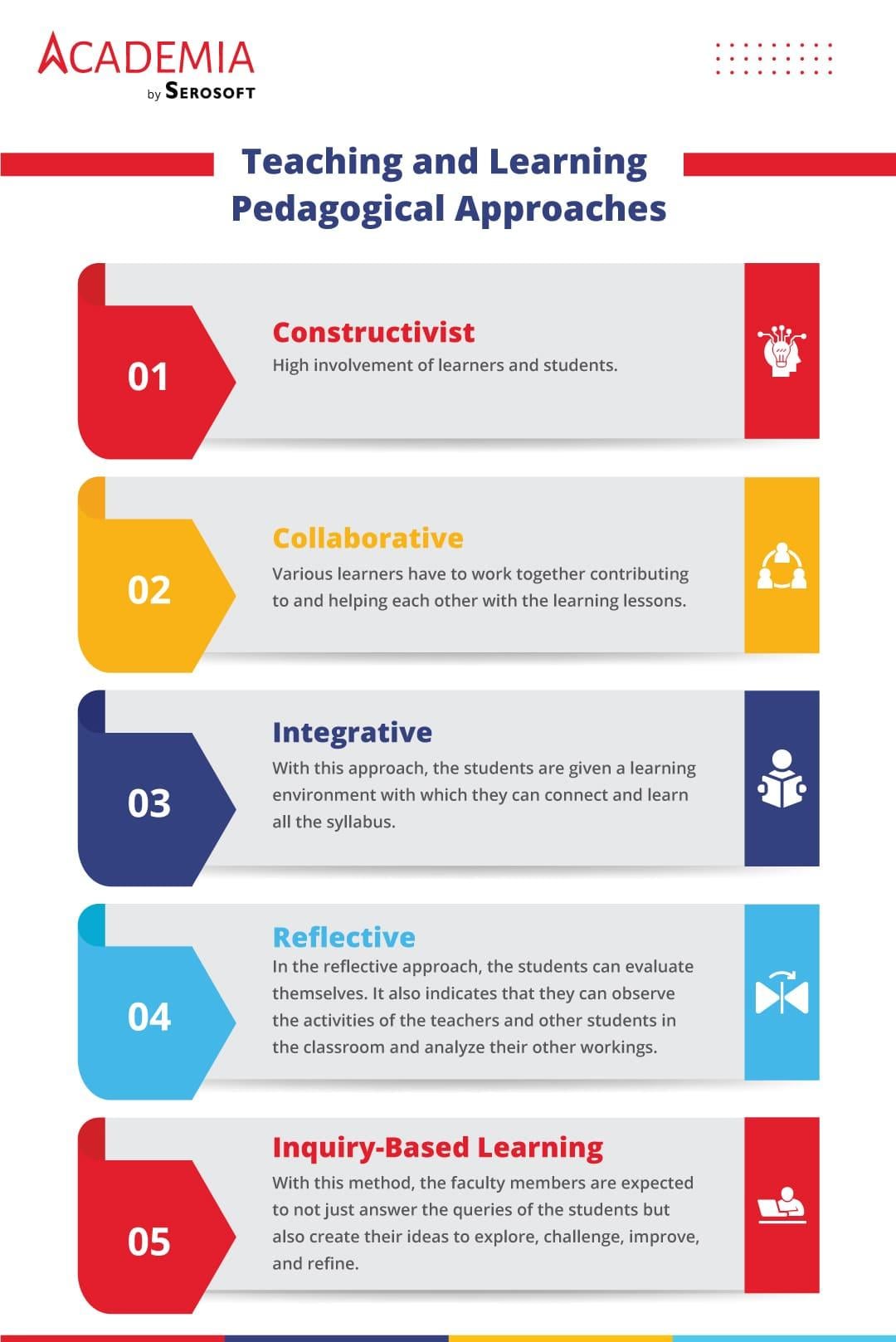
As we advance into 2025, many business schools still cling to traditional teaching methods that limit the potential of their students. Active learning, which leverages technology, has become essential in fostering deeper understanding and engagement. By embracing digital tools, schools can transform classrooms into dynamic hubs where students interact with real-world data and case studies. This approach encourages collaboration and critical thinking, allowing learners to navigate complex business challenges in a hands-on manner. Integrating platforms such as virtual simulations and interactive learning management systems can revolutionize the educational landscape,making it more adaptable to diverse learning styles.
Moreover, business schools often overlook the importance of personalized learning experiences driven by technology. Utilizing advanced analytics can provide tailored content to students, catering to their unique strengths and weaknesses. The potential of machine learning algorithms can help educators identify when a student struggles or excels, enabling early interventions and support. Schools must incorporate this data-driven methodology into their pedagogical strategies by offering opportunities like online mentorship programs or hybrid courses. In doing so, they can better prepare graduates for the fast-evolving corporate world, where agility and continuous learning are not just advantages, but necessities.
Preparing students for Interdisciplinary Collaboration in a globalized Economy

The landscape of business education is undergoing a profound transformation, yet many institutions lag in equipping students with the necessary skills for effective interdisciplinary collaboration. With industries increasingly blending, it is indeed essential for future leaders to navigate diverse fields seamlessly. To foster this adaptability, schools should emphasize not only business acumen, but also instill competencies across various domains such as technology, ethics, and sociology. Incorporating real-world scenarios and project-based learning that require teamwork across different specializations can bridge the gap between theory and practice.
Moreover, promoting a global mindset is imperative as businesses increasingly operate on an international scale. Schools must curate curricula that reflect global challenges and include perspectives from different cultures.Essential components of this approach should comprise:
- Intercultural communication skills to facilitate understanding in diverse teams.
- Collaborative technology tools that enable virtual teamwork across geographical boundaries.
- Ethical decision-making frameworks that consider global societal impacts.
To further enhance these competencies, a structured program integrating interdisciplinary workshops, cross-border internships, and partnerships with global companies is critical. This framework can create a dynamic educational ecosystem that not only prepares students to tackle contemporary challenges but also empowers them to innovate within a globally interconnected marketplace.
Closing Remarks
As we navigate the ever-evolving landscape of business education in 2025, it’s clear that the challenges faced by business schools are not merely relics of the past but complex issues that require thoughtful examination and innovative solutions. While some institutions have made commendable strides in adapting their curricula and approaches to reflect the realities of today’s marketplace, others still cling to outdated models that fail to prepare graduates for the complexities of modern business.
In this era of rapid change, integrating technology and emphasizing emotional intelligence, sustainability, and the importance of global perspectives are no longer optional; they are essential. As business schools continuously adapt to new business environments, it is indeed crucial that they engage in self-reflection and remain open to constructive criticism.By acknowledging what they still get wrong, these institutions can pivot towards a more relevant and impactful education that truly prepares future leaders for the challenges ahead.
the path forward for business schools in 2025 lies not just in recognizing their shortcomings, but in embracing the opportunity to innovate and reinvigorate their missions. Only then can they foster a generation of thinkers and doers equipped to navigate and shape the future of business. The question remains: will they rise to the challenge? Only time will tell.