



In a world awash with data, statistics, and hard facts, the art of storytelling emerges as the silent powerhouse behind successful sales strategies. While products and services often compete in a crowded marketplace, it is the story woven around them that captivates hearts and ignites passions. Storytelling transcends mere transactions; it forges emotional connections,shapes perceptions,and ultimately drives decisions. As we delve into the compelling reasons why storytelling is your most powerful sales tool, we’ll explore how crafting a narrative can elevate your brand, engage your audience, and transform casual interest into lasting loyalty. Join us on this journey to uncover the magic of storytelling, where every word serves as a brushstroke on the canvas of your sales success.
Unleashing the power of Narrative in Sales
In the world of sales, data and statistics are importent, but they often lack the emotional connection that drives human behavior. This is where storytelling comes into play. By weaving a tale that resonates with your audience,you can transform a mundane product pitch into a compelling narrative that captivates and engages. Using relatable characters, vivid imagery, and a clear conflict, sales professionals can create a story that allows potential customers to envision themselves within the experience. This not only fosters a deeper understanding of the product or service but also makes it memorable, carving a space in the minds of your audience.
When crafting your narratives, focus on the core elements that foster connection. Consider the following aspects to enhance your storytelling technique:
- Authenticity: Genuine stories resonate more than fabricated ones.
- Emotion: Strive to evoke feelings that align with your audience’s desires or pain points.
- Call to Action: Every story shoudl guide the listener towards taking a specific action, whether it’s to buy, subscribe, or share.
Integrating storytelling into your sales strategy not only sets you apart from competitors but also nurtures a sense of trust. When customers can relate to a story, they’re more likely to engage and make a purchase. Below is a simple table summarizing the key benefits of leveraging storytelling in sales:
| Benefit | Description |
|---|---|
| Enhanced Connection | Creates emotional ties with the audience. |
| Improved Recall | Stories are easier to remember than facts alone. |
| Stronger Differentiation | Helps distinguish your brand in a crowded market. |
Connecting emotionally: How Stories Build Rapport

Every great storyteller knows that the heart of a compelling narrative lies in its ability to evoke emotion.When we share stories, we tap into the shared human experience, allowing our audience to feel understood and connected. By painting vivid pictures with our words, we can convey not just facts, but feelings that resonate on a personal level. This emotional connection fosters a sense of trust and rapport, which is essential in any sales interaction. Through stories, we can illustrate challenges, triumphs, and the transformative power of products or services in ways that data alone cannot achieve. Consider the following elements that enhance emotional engagement:
- Character Progress: Creating relatable protagonists draws your audience in.
- Conflict and Resolution: Sharing obstacles and their solutions makes the narrative engaging.
- Empathy: Invoking feelings of empathy makes the audience more likely to relate to the story.
- Imagery: Vivid descriptions bring the story to life,making it memorable.
When stories are woven into your sales process, they become more than just persuasive tools; they become bridges that connect your audience to your brand’s values and mission. A compelling narrative allows customers to envision themselves in your story, making the product or service feel more relevant and necessary. ultimately, this synthesis of emotion and storytelling can lead to increased customer loyalty and conversion rates. Below is a simple comparison of storytelling versus customary methods:
| Method | Impact |
|---|---|
| Storytelling | Fosters connection, evokes emotion, increases empathy |
| Traditional Selling | Focuses on features, may lack emotional engagement |
Crafting Your brand Story: Key Elements to Include
When crafting your brand story, focus on the core elements that resonate deeply with your audience. Start with your origin: explain how your brand was born and the inspiration behind it. A compelling origin story not only humanizes your brand but also builds an emotional connection with potential customers. Next, highlight your mission and values. Clearly articulate what your brand stands for and how it seeks to impact the world. This helps customers align their personal values with your brand, fostering loyalty and trust.
Additionally, consider integrating real-life testimonials or significant customer experiences into your narrative. This not only adds credibility but showcases the impact and benefits of your offerings. Use vivid imagery and relatable language to paint a picture of your brand’s purpose and journey. don’t forget to include a call to action-an invitation for your audience to join your story and be part of something larger than themselves. This empowers them to engage with your brand on a deeper level.
The Art of Persuasion: Why Storytelling Captivates Audiences

At its core, storytelling is an age-old tradition that transcends cultures and generations. When utilized in sales, it becomes a powerful method to forge emotional connections. A well-structured narrative can convey not just facts but also feelings, allowing your audience to visualize themselves within the story. This immersive experience enables potential customers to feel the problem your product solves or the joy it brings, making them more likely to engage with your brand. Consider the following elements when crafting your tale:
- Relatability: Characters and situations that mirror your audience’s experiences.
- Conflict: A challenge or problem that the protagonist must overcome.
- Resolution: highlighting how your product or service provides a solution.
moreover, a well-told story can be a compelling vehicle for showcasing your brand’s values and mission. It creates a narrative that resonates, encouraging shareability and increasing engagement. You can amplify the impact of your storytelling by integrating visual elements, such as images or infographics, that complement your message. Here’s a brief comparison illustrating the difference between merely presenting facts and telling a story:
| Traditional Approach | Storytelling Approach |
|---|---|
| Highlighting product features and specifications | Sharing a relatable customer journey and the challenges they faced |
| Listing statistics and data | Illustrating how a customer’s life improved through your solution |
| Focusing solely on the brand | Emphasizing community impact and shared values |
From Data to Drama: Transforming Facts into Compelling Narratives
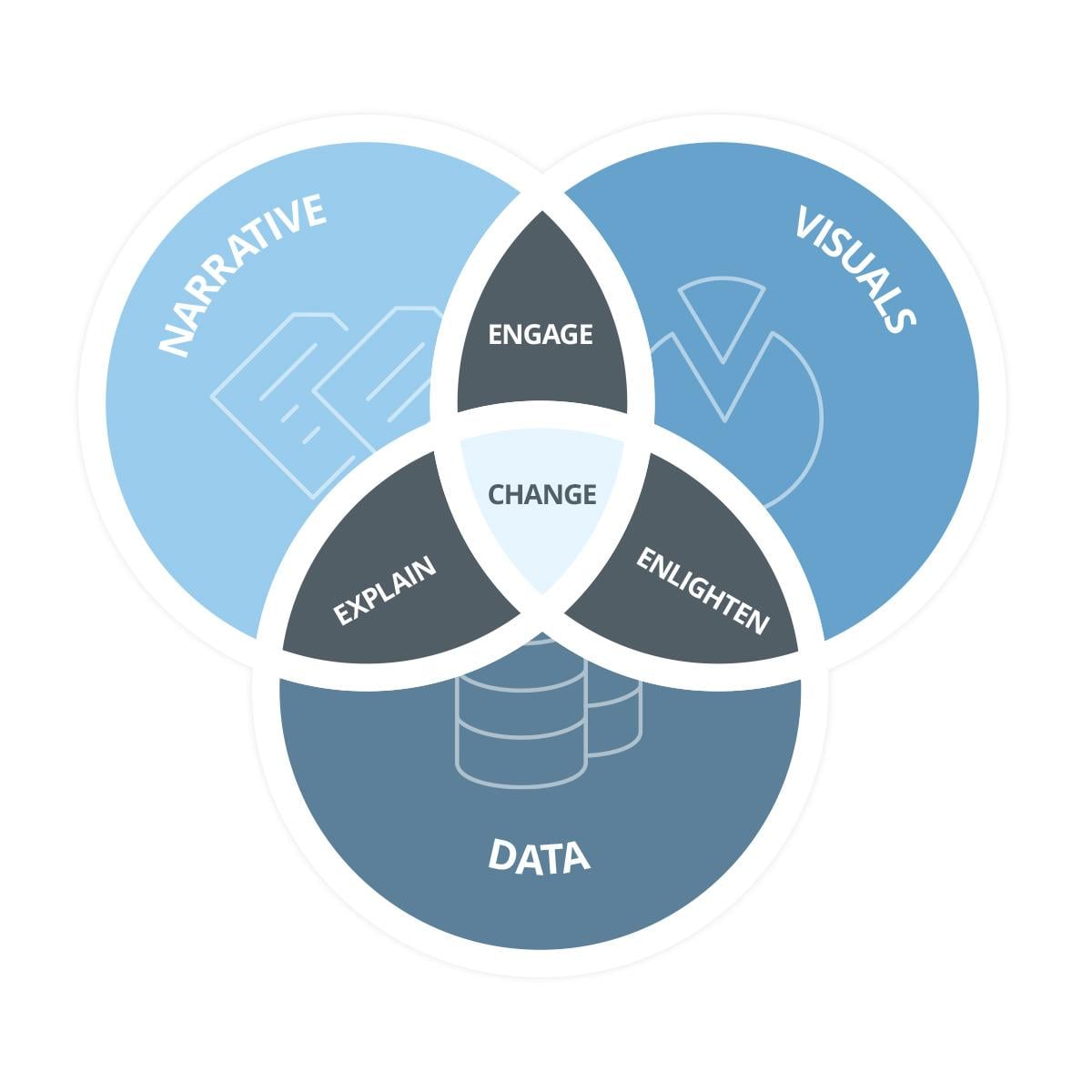
In a world saturated with details, facts alone are frequently enough stripped of their power. Storytelling serves as the bridge that connects raw data to human emotion, helping prospects see the value in your product or service. When you weave a narrative around your statistics, you create a context that resonates. For instance,consider how you might present a customer success story: rather than simply stating that your software reduced costs by 30%,share the journey of a client who struggled to keep their business afloat. Highlight the challenges they faced, how your solution facilitated change, and the ultimate transformation they achieved. This transformation turns abstract numbers into relatable experiences, making your proposal not just a transaction but a potential partnership in success.
Effective narratives often incorporate elements that capture attention and foster connection, such as:
- Relatable Characters: Introduce clients similar to your audience.
- Conflict and resolution: Show a problem that your product solves.
- Emotional Appeal: Tap into feelings that trigger action.
Utilizing a structured approach to storytelling can enhance your presentations. Here’s a simple framework you might follow:
| Story Element | Description |
|---|---|
| Setup | Introduce the client’s world. |
| Challenge | Identify their pain points. |
| Solution | Present your product as the hero. |
| Outcome | Highlight achieved results and benefits. |
Using this framework, you can ensure that your presentation of facts transitions seamlessly into a compelling narrative that lays the groundwork for lasting customer relationships.
Engaging Different Audiences: Tailoring Stories for Impact

To effectively connect with diverse audiences, it’s crucial to recognize that not all stories resonate equally across the board. Each demographic has its own preferences, experiences, and emotional triggers that influence how they engage with your narrative. By understanding thes nuances, you can adapt your storytelling approach to speak directly to their interests.consider this when crafting your stories:
- Know Your audience: Delve into their backgrounds and values to create relatable characters and scenarios.
- Use Relevant Language: Tailor your vocabulary,tone,and style to match the audience’s expectations.
- Highlight Common Experiences: Focus on global themes that can bridge gaps between different audience segments.
Crafting tailored narratives not only boosts engagement but also deepens emotional connections. For instance, you might choose to present statistics in a way that aligns with the audience’s experiences and aspirations. The following table illustrates how different storytelling elements can be emphasized for various groups:
| Audience Type | Preferred Story Element | example |
|---|---|---|
| Millennials | Authenticity | Real-life testimonials that showcase real struggles and triumphs |
| Business Executives | Data-Driven Insights | Case studies highlighting ROI and success metrics |
| Parents | Relatable Challenges | Stories that depict common parenting dilemmas and solutions |
Measuring Success: How to assess the Effectiveness of Your Storytelling
To truly harness the power of storytelling in your sales strategy, it’s essential to measure its impact. Start by identifying key metrics that align with your business goals. Consider tracking engagement rates-whether that’s through likes,shares,comments,or time spent on a narrative. You can also assess how effectively your stories convert prospects into loyal customers. monitor the conversion rate of leads that engage with your storytelling content versus those that don’t.Gather qualitative feedback through surveys to understand how your audience perceives your stories and whether they resonate with them on an emotional level.
Utilizing analytics tools can illuminate the true effectiveness of your storytelling. Invest in tools that track website analytics,such as page views and bounce rates,specifically for your storytelling pages. Additionally, setting up A/B testing can provide insights into which narratives drive the best results.A simple table could help visualize these insights:
| Story Type | Engagement rate (%) | Conversion Rate (%) |
|---|---|---|
| Customer Success Story | 75 | 12 |
| Product journey | 65 | 9 |
| Brand Values | 50 | 5 |
Understanding these metrics will empower you to fine-tune your storytelling approach,ensuring it consistently aligns with the emotional triggers of your audience while driving substantial sales growth.
In Summary
in a world saturated with information and competing messages, storytelling emerges as a beacon of connection and persuasion. As we’ve explored,weaving narratives into your sales strategy doesn’t just sell a product; it forges relationships,builds trust,and ignites emotions. It invites your audience to see themselves in the journey you present, leading them naturally toward the resolution that your offering provides.
By embracing the art of storytelling, you equip yourself with a powerful tool that transcends mere transactions. It’s about painting a vivid picture that resonates, engages, and ultimately inspires action. So,as you step back into your sales endeavors,remember: every pitch,every presentation,and every conversation holds the potential for a story waiting to be told. Harness that power, and watch as it transforms not just your sales, but also the connections you build along the way. Your story is your legacy-make it unforgettable.