



In an age defined by relentless notifications adn a constant stream of information,attention has emerged as the most coveted currency of our time.Just as oil once fueled the industrial revolution and shaped economies, the ability to capture and maintain attention has become the lifeblood of modern industries, from tech giants to small startups. This article explores the change of attention into a valuable resource, dissecting the intricate dynamics of how it is harvested, traded, and leveraged in our daily lives. As we navigate this landscape of digital distractions and competing narratives,understanding the true worth of attention is paramount-not just for businesses seeking growth,but for individuals striving for a more focused and meaningful existence in a world that demands we be constantly engaged. Join us as we delve into the complexities of this new phenomenon, examining why attention has rightly been dubbed the “new oil” and what this means for our future.
Understanding the Value of Attention in a Digital World
In today’s hyper-connected landscape, the importance of attention cannot be overstated. As consumers navigate a sea of information, their focus has become a scarce resource. Businesses are increasingly recognizing that capturing this attention is paramount to success. The digital platforms we use daily thrive on engagement, with social media channels like Facebook and Instagram employing algorithms that prioritize content based on user interactions. This creates a cycle: the more attention a post garners, the more visible it becomes, leading to greater reach and influence. Savvy brands understand that investing in strategies that command attention can drive their goals, be it through innovative marketing campaigns or compelling storytelling.
Understanding the dynamics of attention in a digital world involves embracing several key factors:
- Content Quality: Engaging, high-quality content stands out in crowded feeds.
- User Experience: Seamless interactions increase the likelihood of sustained attention.
- Timeliness: Relevant content delivered at the right moment captures interest effectively.
- personalization: Tailored experiences resonate more deeply with audiences.
| Attention Factor | impact on Engagement |
|---|---|
| Content Quality | High |
| User Experience | Medium |
| Timeliness | High |
| Personalization | Very High |
The economics of Attention: Supply, Demand, and Scarcity

The rise of digital media has shifted the landscape of value creation, placing attention at the forefront of economic discourse. Unlike traditional commodities, attention is both finite and malleable, influenced by various factors such as time constraints, consumer interests, and the overwhelming influx of content. In this economy, supply and demand operate on a unique dynamic: consumers are inundated with choices, yet their capacity to engage is limited. This scarcity of attention creates a market where the highest bidders for our focus are not always the ones with the most appealing products,but rather those who can craft compelling narratives that resonate and capture creativity.
As platforms vie for engagement, the competition intensifies, fueling the emergence of short-form media, notifications, and eye-catching interfaces designed to maximize user involvement. To illustrate this trend, consider the following elements shaping the economics of attention:
- Content Quality: Engaging storytelling outweighs quantity.
- User Experience: Intuitive design leads to longer interaction times.
- Algorithm Influence: Personalized feeds create tailored experiences that draw users back.
The strategies employed by companies to monetize attention reflect a profound understanding of this new economy. Demands for transparency in data usage and ethical considerations are growing, highlighting the intricate balance between capturing attention and respecting user autonomy.
Strategies for Capturing and Retaining Audience Focus
In a world inundated with information, capturing your audience’s focus requires more than just compelling content-it demands a strategic approach. To engage effectively, consider employing the following tactics:
- Visual Storytelling: Utilize striking visuals, infographics, and videos to complement your message, ensuring it resonates on both emotional and intellectual levels.
- Personalization: Tailor your content to meet the specific interests and needs of your audience,which fosters connection and keeps them coming back for more.
- Interactive Elements: Incorporating quizzes, polls, or interactive infographics empowers your audience to engage directly with your content, increasing retention times.
Moreover, retaining audience focus hinges on creating a dynamic and engaging experience. Implement the following practices to fortify this connection:
- Consistent quality: deliver high-quality content consistently to establish trust and reliability.
- Frequent Interaction: Engage with your audience through regular updates, newsletters, or social media interactions to maintain interest.
- Feedback Mechanisms: Encourage audience feedback to create a sense of community and adapt your strategies based on their preferences.
| Strategy | Benefits |
|---|---|
| Visual Storytelling | Enhances emotional connection |
| Personalization | Increases engagement rates |
| Interactive Elements | Boosts retention time |
| Consistent Quality | Builds trust |
| Frequent Communication | Keeps interest alive |
| Feedback Mechanisms | Strengthens community bonds |
The Impact of Social Media on Attention Span and Engagement

The pervasive influence of social media platforms has dramatically altered our cognitive processes, leading to a notable reduction in attention span. Users are now inundated with a constant flow of information, causing a phenomenon often referred to as “information overload.” This has made it increasingly challenging for individuals to concentrate on single tasks for extended periods. Key factors contributing to this shift include:
- Instant gratification from likes and shares
- The design of platforms promoting speedy, bite-sized content
- The tendency to multitask across various channels
Moreover, social media has created a unique dynamic in audience engagement; it requires brands and creators to be more creative than ever to capture fleeting attention spans. As users scroll through feeds, the challenge lies in crafting content that is not only visually appealing but also emotionally resonant. Accomplished engagement strategies often include:
- Utilizing compelling visuals and videos
- Crafting stories that evoke emotions
- Encouraging interaction through polls and questions
| Strategy | Effectiveness |
|---|---|
| Visual Content | High |
| Emotional Storytelling | Very High |
| Interactive Posts | Moderate |
Navigating the Attention Economy: Ethics and Responsibilities
The digital landscape has evolved into a battleground for attention, where platforms and creators alike vie for the precious commodity: user focus. In this fierce competition, ethical considerations often take a backseat to the relentless pursuit of engagement. Content creators and tech companies must be vigilant in adopting responsible practices that respect the choices and privacy of users. By cultivating environments that prioritize authentic engagement, these stakeholders can foster trust and satisfaction, steering clear of manipulative tactics that can erode user loyalty. Key ethical principles include:
- Transparency: Clearly communicating data usage and content algorithms to users.
- Respect: Valuing user consent and preferences in content curation.
- Accountability: Ensuring that actions taken on the platform don’t exploit or mislead users.
As audiences become increasingly aware of their role in the attention economy, a paradigm shift towards responsible consumption and production is on the horizon. Creators are encouraged to build communities based on meaningful interactions rather than sheer volume, embracing quality over quantity. this not only enriches the user experience but also allows for enduring growth in an ever-crowded space. A table highlighting the contrasting approaches of traditional and ethical attention strategies includes:
| Traditional Strategies | Ethical Strategies |
|---|---|
| Focus on clickbait | Promote valuable content |
| User data exploitation | Prioritize user privacy |
| Short-term engagement | Long-term relationship building |
Building a sustainable Attention Strategy for Brands
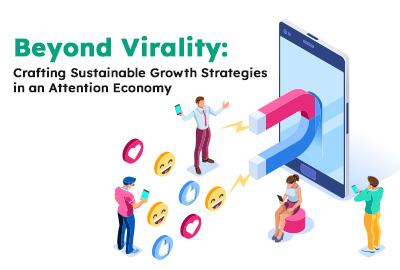
In an age where information overload is the norm, designing a strategy that captures and sustains audience attention is paramount for brands. Rather than chasing fleeting trends, companies should focus on creating meaningful connections with their audiences. This can be achieved by integrating authentic storytelling, leveraging visual content, and engaging with consumers in a personalized manner. By fostering relationships that resonate with their target market, brands are not just selling products but cultivating loyal communities. Key elements to consider include:
- Consistent Messaging: Ensure all brand communication is aligned and coherent.
- Multi-Channel Engagement: Utilize various platforms to reach different segments of your audience.
- Data-Driven insights: Analyze audience behavior to refine content strategies continuously.
Moreover, as attention spans dwindle, innovation in content delivery becomes essential. Brands must adopt a proactive approach, using emerging technologies like augmented reality or interactive content to engage users in novel ways. The aim is not merely to seize attention but to maintain it sustainably. The following table summarizes some modern tactics that can boost brand presence:
| Strategy | Description |
|---|---|
| Story-Driven Campaigns | Create narratives around your products to build emotional connections. |
| Influencer Collaborations | Partner with influencers who align with your brand values for authentic outreach. |
| Interactive Content | Develop quizzes, polls, or games to engage users actively. |
Future Trends in Attention Management and Digital Consumption
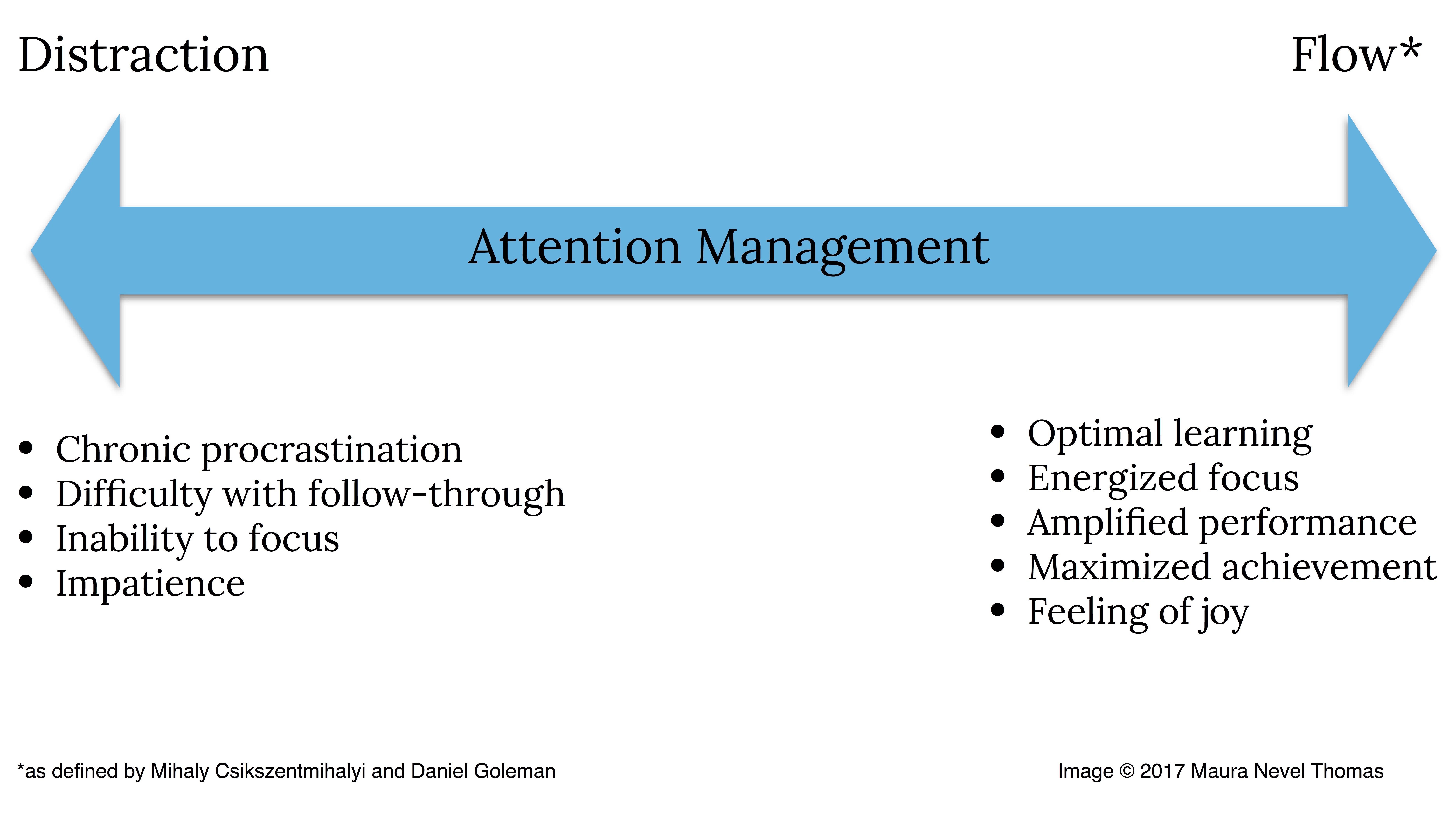
The evolution of attention management in the digital landscape promises to reshape how we engage with content. As users become increasingly selective about their information intake, platforms are re-evaluating their algorithms and content delivery methods to prioritize quality over quantity. emerging trends are expected to include:
- Personalization at scale: Utilizing AI to tailor content experiences based on individual preferences and behaviors.
- Mindful consumption tools: Applications and extensions designed to help users manage their time spent on digital platforms effectively.
- Community-driven content curation: Shifts towards peer-recommended and crowd-sourced content to enhance trust and engagement.
In parallel, business strategies are likely to adapt as companies recognize the intrinsic value of consumer attention. This transformation will entangle brands deeper in the conversation about social responsibility and ethical content practices. Key strategies might include:
- Transparency initiatives: Businesses sharing their attention metrics and engagement rates to build trust with users.
- Content sustainability: Prioritizing content that is meaningful and does not exploit attention for short-term gains.
- Collaborative platforms: Brands engaging in partnerships to create community-centric content, enhancing collective engagement.
| Future Trends | Impact on Users |
|---|---|
| Increased personalization | More relevant content experiences |
| Popularity of mindful tools | Improved digital wellbeing |
| Rise of community curation | Enhanced trust and engagement |
Insights and Conclusions
In a world where information flows like a relentless torrent, the currency of attention has emerged as a powerful force driving innovation, engagement, and value. Just as oil fueled the industrial revolution, our focus and awareness are now the lifeblood of the digital age. As we navigate this intricate landscape, understanding the dynamics of attention becomes imperative, not only for businesses seeking to capture it but for individuals striving to protect their most precious resource.
As we forge ahead, let us reflect on how we allocate our attention-what we choose to focus on and what we let slip away. In a society where every second counts, harnessing the power of attention wisely could very well be the key to both personal fulfillment and collective progress. The question we must ask ourselves is: in this age of attention, how will we transform our awareness into meaningful action, forging connections that enrich our lives and enhance our world? The future beckons, and it’s up to us to shape it with the choices we make today.