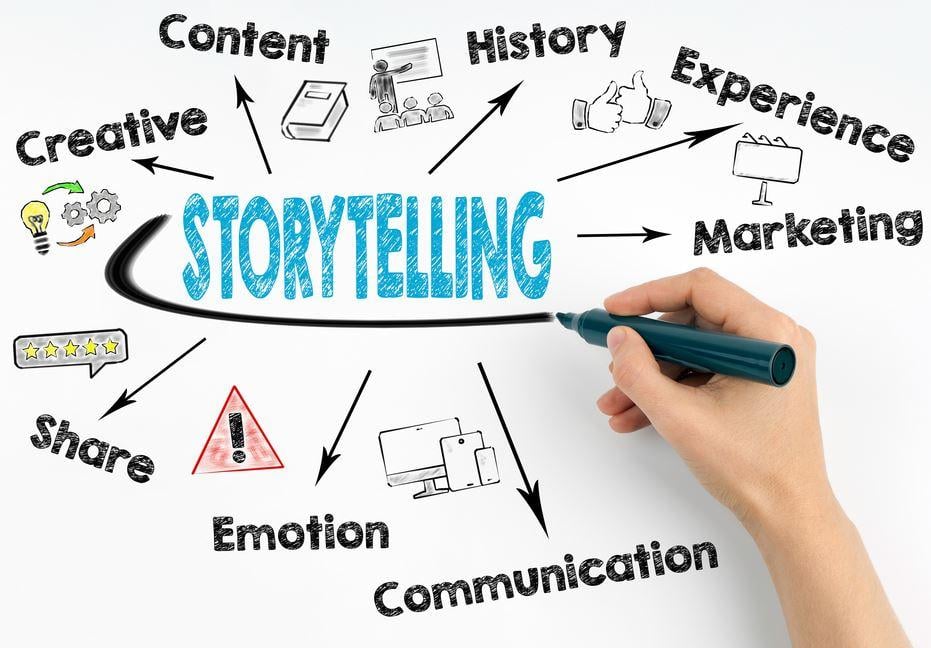

You’ve seen both on the conference table: a tidy stack of case studies with charts,timelines and bullet-pointed outcomes,and a colleague who opens a presentation with a story about a single customer,a stubborn problem,and an unexpected solution. Both aim to explain what worked and why, but they ask different parts of the brain to pay attention.
This article explores why business storytelling-narratives that center people, conflict, and change-frequently enough outperforms traditional case studies when the goal is to persuade, teach, or inspire action. By “beats” we don’t mean that case studies become obsolete. Rather, storytelling leverages memory, empathy and pattern recognition in ways that dry recitations of facts and figures seldom do. Stories create context; they invite listeners to inhabit a situation rather than scan it for data points.
We’ll look at how narrative structure helps audiences remember lessons, how characters and stakes sharpen relevance, and how stories translate complex trade-offs into intuitive choices. We’ll also acknowledge where rigorous case studies still hold an advantage-precision, replicability and auditability-and how the two approaches can complement each other.
Read on for a measured comparison that treats storytelling and case studies as tools in the same toolkit,and shows when-and why-you might reach for one over the other.
From Case Studies to Stories: Why Human Journeys Win Hearts and Budgets
Numbers inform, but people decide. Stories shape the picture behind the metrics: a customer’s frustration that turned into relief, a team’s doubt that became momentum, a leader’s small act that unlocked scale. when you swap dry case-study structure for a human-centered narrative, you unlock emotional clarity that budgets respond to-stakeholders see not just a result, but the journey that created it. The payoff is practical: better recall, easier alignment, and faster approval cycles.
Turn proof into a path. Start by mapping the emotional beats and then anchor them to the metrics that matter. Use short, shareable scenes to show risk, intervention, and reward rather than only listing KPIs. Practical moves include:
- Lead with a relatable protagonist
- show the turning point, not just the outcome
- Attach one clear metric to the emotional climax
| Case Study | Human Story |
|---|---|
| feature description | Moment it solved a real problem |
| Before/after stats | Before/after feelings + one key metric |
Thes swaps convert sterile proof into persuasive journeys that win hearts-and the budgets that follow.
Design Emotional Arcs that Align with Business Outcomes
When a narrative is built with intent, emotions stop being random and become levers you pull to move business needles. Treat the plot like a conversion map: spark curiosity to increase reach, build credibility to grow trust, heighten urgency to accelerate trials, and soothe to improve retention. Design each beat so it nudges a specific metric-awareness, trial, revenue or loyalty-rather than leaving feelings to chance. Use these focused emotional triggers as your playbook:
- Attention – open with surprise or relevance to capture views.
- Trust – introduce proof points and relatable characters to lower skepticism.
- Urgency – create a timely tension that shortens decision time.
- Reassurance - close with clarity and support to reduce churn.
Make the arc testable: set hypotheses that link a feeling to a KPI, run micro-experiments, and iterate on what moves numbers. Track where audiences drop off in the story,which beats increase conversions,and which gestures build lifetime value-then double down on the patterns that work.Keep the craft human-first (empathy guides choice) and the process data-driven (test, measure, optimize) so storytelling consistently delivers predictable business outcomes.
Use Data as Supporting Evidence Not the Whole Plot
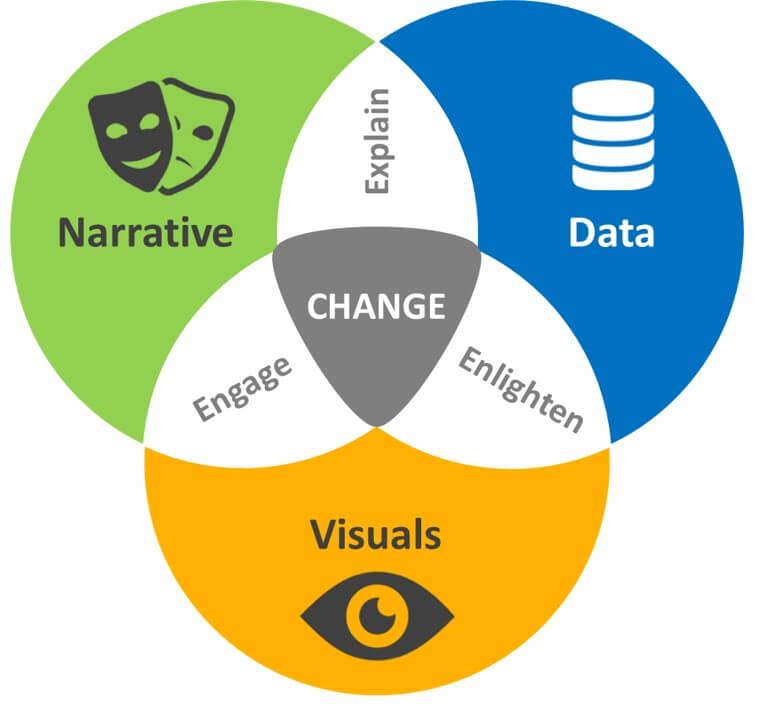
Stories invite people in as they tap into why someone cares – the fear, the delight, the moment of change. use numbers to sharpen those moments, not to replace them: let a percentage quantify a turning point, a chart confirm a trend, a customer quote carry the emotion. When you resist the urge to make data the protagonist, the narrative breathes and readers remember the people behind the metrics rather than the spreadsheets that measured them.
- Lead with a human detail – a customer anecdote, a vivid scene, a conflict that needs resolving.
- Use one clear metric to punctuate the shift, not a dozen that bury the point.
- Visuals as evidence – simple charts or callouts that support a beat, not dominate the stage.
weave evidence in like signposts: visible enough to build trust, subtle enough to keep the plot moving. Cite sources,label axes,and contextualize percentages so readers see what changed and why it mattered.Below is a rapid guide to how data can play different supporting roles within a short narrative.
| Role | Example | When to use |
|---|---|---|
| Hook | “24% faster onboarding” | at the start to spark curiosity |
| Turning point | “Funnel drop: 30% improvement” | When a change drives the plot forward |
| Resolution | “90-day ROI: +3x” | To close with evidence of impact |
Craft Clear Calls to Action That turn Empathy into Decisions
Turn the moment of connection into a single, obvious action. When a story makes someone feel seen, the path forward should be frictionless: name the benefit, limit choices, and use verbs that promise immediate value. Use short, human microcopy that mirrors the emotion you’ve awakened – simple cues convert faster than formal requests.
• Be specific: “Try the two‑minute template” rather of “Learn more.”
• limit options: One clear button beats three vague ones.
• Match tone: If the story is warm, CTA language should be warm too-inviting, not corporate.
Design CTAs that honor the reader’s feelings and time. Place the action where empathy peaks (end of a scene, after a result), reinforce it with a tiny proof point, and remove obstacles like long forms.Treat the CTA as part of the narrative arc: the small decision should feel like the natural next line in the story, not a distracting product pitch.
• Position: after the emotional payoff or a specific outcome.
• Proof: one short benefit or social cue beside the button (e.g., “Used by 1,200 teams”).
• Reduce friction: one-click actions, minimal fields, and clear expectations for what happens next.
Convert Your Existing Case Studies into Short Shareable Narratives

Turn dense case studies into bite-sized stories that travel. Strip away jargon and focus on a single human thread – the problem that kept a customer up at night and the small, decisive move your team made. Think cinematic: hook, escalation, and resolution. Use short, active sentences and one vivid detail (a metric, a client quote, a moment of surprise) to make each micro-story stick.
- Hook: lead with a concrete moment or number.
- Conflict: Frame the obstacle as relatable, not technical.
- Resolution: Show the real change in the customer’s world.
Create three lightweight templates you can reuse across channels; each template becomes a shareable narrative that scales. The quick reference below helps you pick the right spine for any trimmed case study.
| Format | Length | Best Use |
|---|---|---|
| Tweet thread | 5-8 tweets | Rapid engagement,viral hooks |
| LinkedIn post | 150-300 words | B2B credibility,founder POV |
| Instagram carousel | 6 slides | Visual breakdown,storytelling beats |
- repurpose: Swap the metric for an emotional quote to reach different audiences.
- Tailor: Adjust the hook and length to fit the platform’s rhythm.
- CTA: Close with a simple invitation – demo, download, or a question to start a conversation.
Train Sales and Marketing to Tell Consistent Stories Across Channels
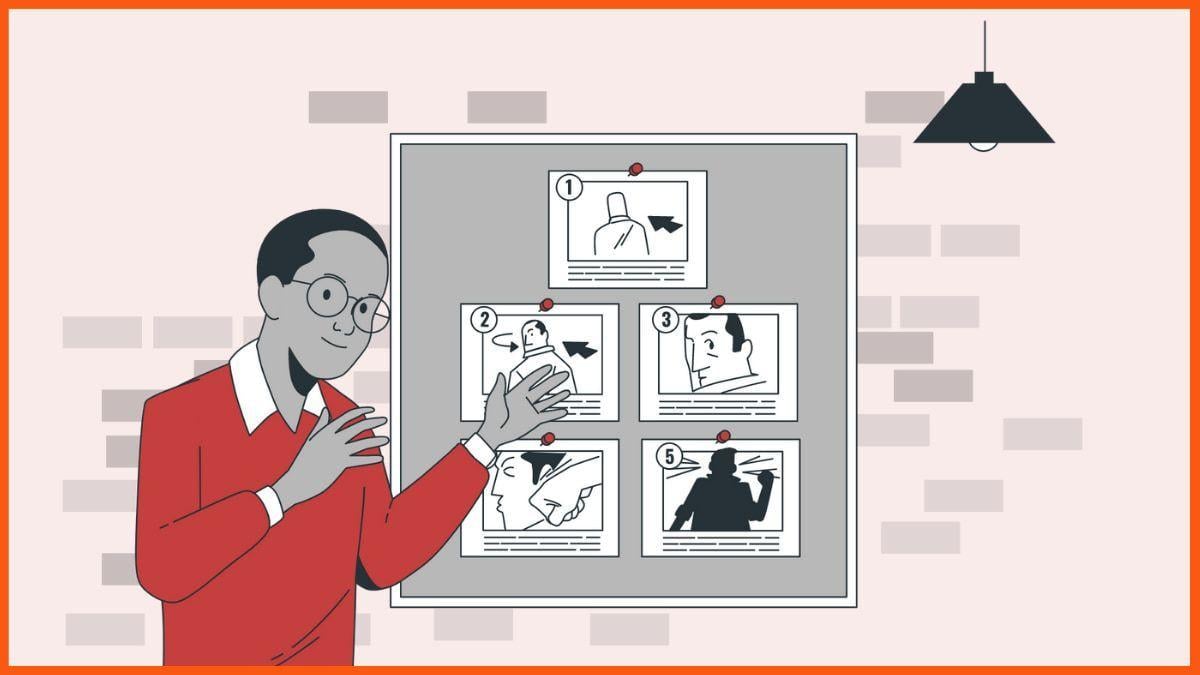
Aligning narrative muscles across teams turns scattered messages into a single, memorable storyline customers actually remember. Run joint workshops where sales and marketing map the same audience journeys, build a shared story bank, and rehearse how a single anecdote compresses into a tweet, a sales email, or a demo script. Quick rituals help:
- shared story bank - one-liners, customer moments, and proof points everyone can borrow
- Roleplay sessions – practice switching tone for phone, video, and social without losing the core plot
- Channel playbooks – short templates showing voice, length, and CTA per channel
These small practices build muscle memory so reps and creators tell the same story with different accents, not different facts.
Teach leaders to coach with examples, not rules: pair a replayed call with the matching ad copy and score both for the same narrative elements. Use a compact reference to keep feedback concrete – hear’s a simple lookup you can pin in Slack or the CRM:
| Channel | Voice |
|---|---|
| Demo | Empathetic expert |
| Social | Concise storyteller |
Regular calibrations and shared metrics keep the story faithful as it travels,so every touchpoint nudges the prospect toward the same insight and outcome.
Future Outlook
Think of storytelling as the hearth that warms attention: it draws people close, reveals charac ters by light, and makes abstract choices feel tangible.A carefully crafted narrative moves beyond facts to create perspective, empathy and memory-qualities that make ideas actionable long after a reader has finished the article.
That said, case studies still matter. They supply the scaffolding of evidence and detail that decisions demand. The smartest communicators treat them as complementary tools: let narrative open the door and numbers walk the listener through it.
If your goal is to change how people think or behave, lead with story and follow with proof. Start small-tell the human angle first, then layer in outcomes-and you’ll find the facts land with more force and the lesson lasts a lot longer.