

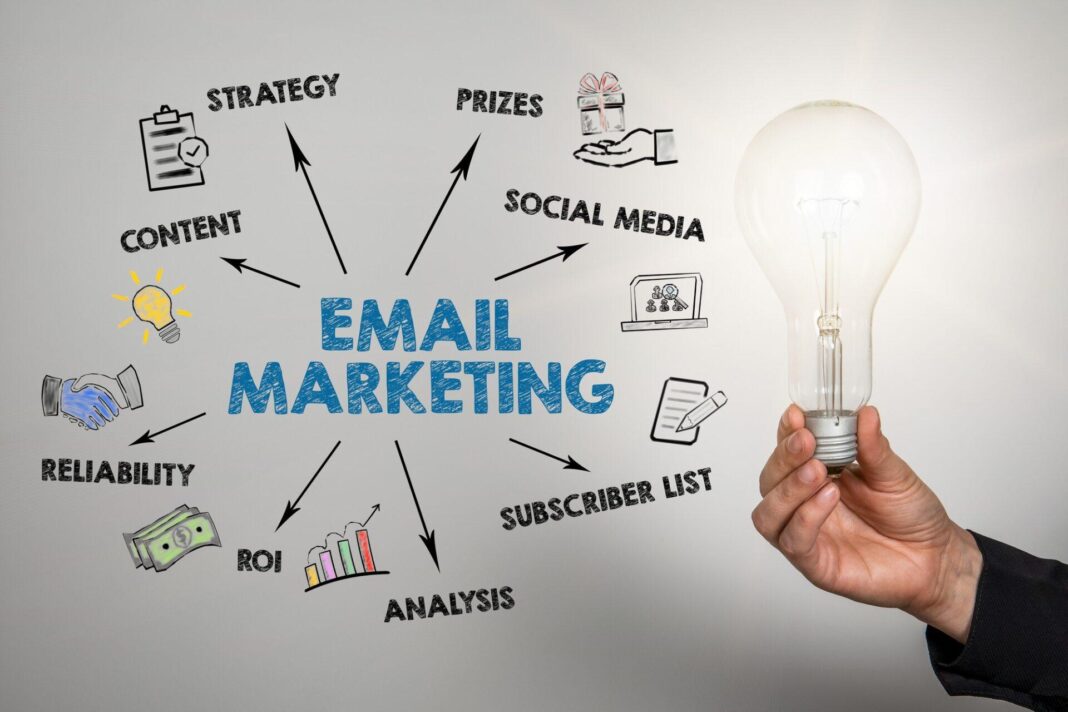

In an age where social media algorithms reign supreme and instant messaging apps dominate our communication landscape, one might presume that email marketing has seen its last days. After all, with the rapid evolution of digital communication, why would consumers still choose to open their inboxes willingly? Yet, surprisingly, email marketing remains a powerful player in the digital marketing arena, proving that it’s far from extinct. In fact, when executed with finesse and strategy, email marketing continues to yield extraordinary results, fostering connections and driving conversions like few other methods can. This article explores the enduring relevance of email marketing, uncovering the reasons behind its longevity and sharing key insights on how to harness its full potential in a modern, data-driven world. buckle up as we delve into the art and science of crafting compelling email campaigns that not only reach your audience but resonate deeply with them.
the Enduring Relevance of Email Marketing in a Digital World
Email marketing remains one of the most powerful tools in a marketer’s arsenal. Its ability to reach a targeted audience directly and personally is unmatched by many modern digital communication platforms. Users often check their email multiple times a day, allowing businesses to maintain a constant presence in their inboxes. Statistics show that for every $1 spent on email marketing, the average return is $42, a compelling reason for marketers to stay committed to this strategy. Incorporating visually appealing designs and personalized content can considerably enhance engagement rates, transforming passive readers into active customers.
To harness the full potential of email marketing, businesses must prioritize segmentation and automation. By categorizing subscribers based on their preferences and behaviors, marketers can create tailored messages that resonate with their audience’s needs. This approach not only increases open and click-through rates but also fosters a sense of loyalty among customers. Implementing A/B testing is another effective way to refine email strategies, allowing marketers to analyze wich content, subject lines, and designs perform best. Below is a simple table illustrating key elements for successful email marketing:
| element | Importance |
|---|---|
| Segmentation | Increases relevance and engagement |
| Personalization | Enhances customer experience |
| Automation | Saves time and ensures consistency |
| A/B Testing | Optimizes performance |
Understanding Your Audience for Effective Email Campaigns
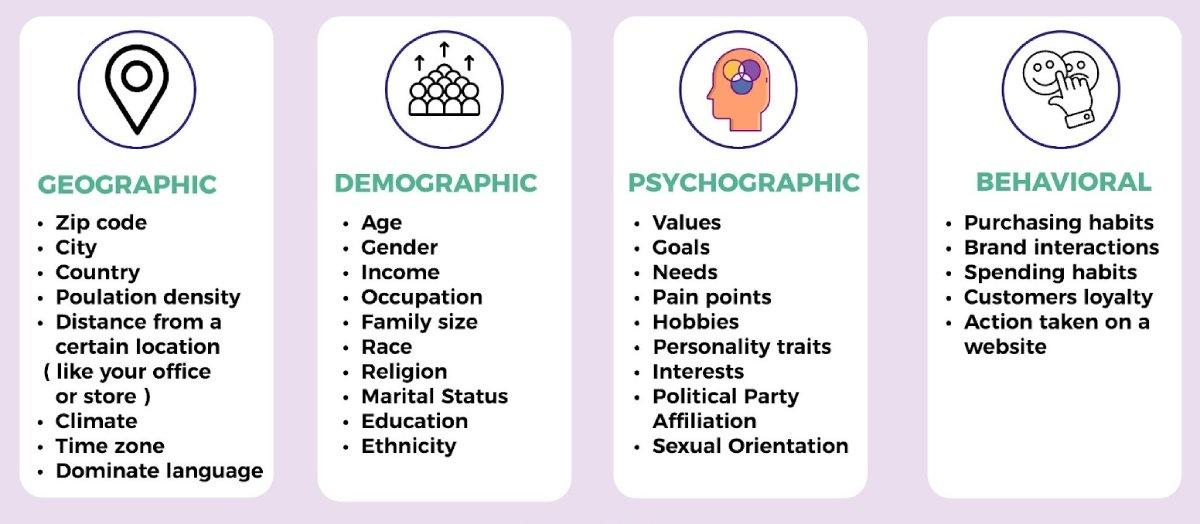
To craft successful email campaigns, it’s crucial to delve deep into understanding your audience. Knowing the demographics, interests, and pain points of your subscribers allows you to tailor content that resonates with them. By segmenting your audience based on parameters such as shopping behavior, geographic location, and engagement levels, you can deliver more personalized content that encourages interaction. Consider creating segments such as:
- New Subscribers: Introduce your brand and educate them about your offerings.
- Engaged Users: provide special promotions to reward their loyalty.
- Inactive Subscribers: Re-engage them with compelling content or exclusive offers.
Moreover, leveraging data analytics can provide invaluable insights into audience behavior. By tracking metrics such as open rates, click-through rates, and conversion paths, you can adapt your strategies dynamically. create a simple table to represent popular content topics and their corresponding engagement metrics:
| Content Topic | Open Rate (%) | Click-Through Rate (%) |
|---|---|---|
| Seasonal Discounts | 25 | 10 |
| Product Tutorials | 20 | 15 |
| Customer testimonials | 30 | 12 |
This data-driven approach not only enhances the relevance of your content but also increases the likelihood of conversion, confirming that understanding your audience is the cornerstone of effective email marketing.
Crafting Compelling Content That Captivates and Converts

To truly engage your audience,your email content must *resonate* with their interests and needs. Start by segmenting your email list to ensure you’re delivering tailored messages that speak directly to each group’s pain points and desires. This strategy not only enhances relevancy but also boosts your open and click-through rates. Consider incorporating the following elements in your emails to create a more captivating experience:
- Personalization: Use the recipient’s name and customize content based on previous interactions.
- Storytelling: Share relatable stories that draw your readers in and create emotional connections.
- Visual Aids: break up text with eye-catching images, infographics, or even videos that complement your message.
Ultimately, your goal is to drive conversions.This requires a clear call to action (CTA) that guides your readers on the next steps, whether it’s making a purchase, signing up for a webinar, or downloading a resource. To ensure your CTAs are effective, consider the following strategies:
| Strategy | Description |
|---|---|
| Urgency | Create limited-time offers to prompt immediate action. |
| Clarity | Be direct and specific about what action you want the reader to take. |
| Value proposition | Highlight the benefits the reader will gain by following through on your CTA. |
Leveraging Automation to Enhance Email Marketing Efficiency

In the fast-paced digital landscape, automation serves as a crucial ally for elevating the effectiveness of email marketing campaigns. By streamlining processes such as audience segmentation and personalized content delivery, businesses can foster deeper connections with their subscribers. Tools like automated workflows enable marketers to send timely and relevant emails based on user behavior, ensuring their messages reach the right individuals at the right time.Additionally, employing dynamic content allows for tailoring messages to specific segments, making communications feel more personal and engaging.
Moreover, tracking and analyzing email performance has never been easier with automation. Marketers can leverage complete analytics to assess key metrics such as open rates, click-through rates, and conversions. This data is invaluable for optimizing future campaigns. By incorporating A/B testing into automated systems, businesses can continuously refine their email strategies, ensuring maximum engagement and ROI. A well-structured approach to automation not only enhances efficiency but also allows for innovation and experimentation in email marketing techniques.
Analyzing Metrics to Refine and Optimize Your Strategy
To harness the full potential of your email marketing efforts, analyzing metrics is essential. By closely monitoring key performance indicators (KPIs),you can gain insights that guide your strategy toward greater effectiveness. Focus on metrics such as:
- Open Rates: This indicates how compelling your subject lines are and helps assess the effectiveness of your audience targeting.
- Click-Through Rates (CTR): Measure engagement by looking at how many recipients click on links within your emails.
- Conversion Rates: Ultimately, this metric reveals how many recipients complete desired actions, such as making a purchase or signing up for a service.
- Unsubscribe Rates: A higher rate may signal that your content isn’t resonating, prompting a need for a strategic rethink.
Utilizing these insights enables you to identify trends and patterns, paving the way for optimized campaigns. Consider A/B testing different elements of your emails, such as subject lines or call-to-action (CTA) placements, to further refine your approach. Below is a simple table showcasing potential campaign strategies and their corresponding objectives:
| Campaign Strategy | Objective |
|---|---|
| Personalized Content | Increase Engagement |
| Limited-Time Offers | boost Conversions |
| segmented Lists | Reduce Unsubscribe Rates |
| Feedback Solicitations | Improve Customer Satisfaction |
Understanding and acting upon these metrics will not only help in refining your email marketing strategy but will also keep your efforts aligned with your overall business goals.
Ensuring Deliverability and Compliance for Successful Outreach
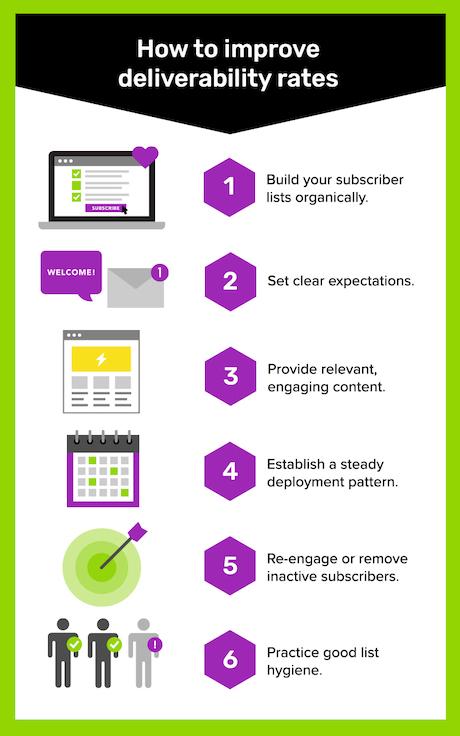
Email marketing is an effective tool for reaching audiences, but to ensure your messages land in inboxes rather than spam folders, it’s essential to focus on deliverability and compliance. Start by maintaining a clean email list; regularly remove invalid addresses and unengaged subscribers. Utilize double opt-in methods to confirm that recipients want to recieve your communications. Engage your audience authentically through personalized content, which can significantly reduce unsubscribe rates. Implementing proper authentication protocols like SPF, DKIM, and DMARC protects your domain’s reputation and ensures that your emails are marked as trustworthy by ISPs.
Compliance with regulations such as the CAN-SPAM Act and the GDPR is not just a legal requirement but also a step towards building trust with your audience. to achieve this, be obvious about how you collect and use data. Clearly communicate your privacy policy and provide easy options for subscribers to manage their preferences. Keeping track of your metrics is also crucial. Consider the following key performance indicators (KPIs) to evaluate the success of your outreach:
| Email Marketing KPI | Description |
|---|---|
| Open Rate | Percentage of recipients who open your email. |
| Click-Through Rate (CTR) | Percentage of recipients who clicked on links in your email. |
| Bounce Rate | Percentage of emails that weren’t delivered to inboxes. |
| Unsubscribe Rate | Percentage of recipients who opt-out of your email list. |
Innovative Trends shaping the Future of Email Marketing
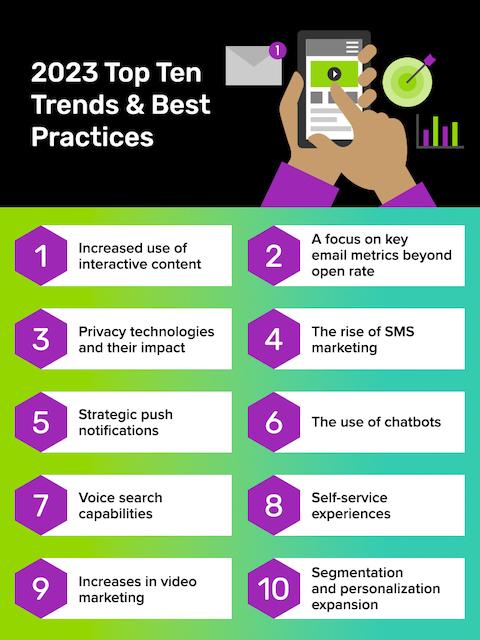
As the digital marketing landscape evolves, email marketing is embracing innovative trends that enhance its effectiveness and engagement rates. One such trend is AI-driven personalization, where algorithms analyze user behavior to tailor content that resonates with specific audience segments. By utilizing complex data analytics, marketers can create hyper-targeted campaigns that deliver the right message at the right time, significantly improving user engagement. Furthermore, the integration of interactive elements, such as polls and quizzes embedded within emails, is capturing users’ attention and increasing click-through rates, transforming passive readers into active participants.
Another major shift in email marketing is the rise of automation and triggered messaging. Brands can now set up intricate workflows that send automated emails based on user actions or specific milestones, creating a more personalized experience without sacrificing quality. This leads to timely reminders, welcome series, and cart abandonment messages that nurture leads along their journey. Alongside this, mobile optimization remains critical, as more consumers are checking their emails on smartphones. Marketers are now focusing on developing responsive designs that ensure emails look great on any device, enhancing user experience and ensuring vital information isn’t lost. Together, these trends signify a dynamic shift that keeps email marketing relevant and potent in a crowded marketplace.
Closing Remarks
As we draw the curtain on our exploration of email marketing, it becomes clear that this powerful tool is far from expired—rather, it’s evolving at a remarkable pace. The digital landscape may be crowded, but email continues to cut through the noise, offering businesses a unique avenue for personalized communication, relationship building, and ultimately, conversion.
In a world where instant gratification often reigns, email’s ability to create meaningful connections and drive engagement remains invaluable. By harnessing the strategies we’ve discussed—focusing on segmentation, content relevance, and analytics—you can ensure your email campaigns not only survive but thrive.
So, as you embark on or refine your email marketing journey, remember: it’s not just about sending messages; it’s about crafting experiences that resonate with your audience. Embrace the art of storytelling, stay attuned to your subscribers’ needs, and watch as your email endeavors transform into a powerful engine for growth. the inbox is more than just a digital space; it’s an prospect waiting to be unlocked. Happy emailing!