


In today’s interconnected marketplace, the choices of a consumer extend far beyond the retail shelf; they ripple through supply chains that span the globe. As we navigate an era marked by social awareness and environmental consciousness,the importance of ethical sourcing has emerged as a critical focal point for modern businesses. In a world increasingly concerned with sustainability, transparency, and corporate responsibility, brands are no longer measured solely by their profitability, but also by the values they uphold and the impact they create. This article delves into the compelling reasons why ethical sourcing is not just a moral imperative but a strategic necessity for businesses striving to thrive in an ever-evolving economic landscape. From enhancing brand reputation to fostering long-term relationships, we will explore the multifaceted benefits that ethical sourcing brings to both companies and the communities they engage with.Join us as we unpack the ethical fabric of supply chains and the transformative power they hold in shaping a more responsible and resilient future.
Understanding Ethical Sourcing and Its impact on Brand Reputation

In today’s global marketplace, businesses are increasingly held accountable for their sourcing practices. Ethical sourcing not onyl involves the procurement of goods in a way that considers the social, environmental, and economic impact, but it also plays a crucial role in shaping a brand’s reputation.Consumers are becoming more aware of the consequences of their purchases, favoring companies that embrace transparency and sustainability. A strong commitment to ethical sourcing demonstrates a company’s dedication to social responsibility,which can lead to increased brand loyalty and trust among customers. When brands prioritize ethical practices, they not only contribute positively to communities but also differentiate themselves in a crowded market.
The implications of ethical sourcing extend beyond consumer relationships; they can also influence partnerships and investor confidence. Companies that embody ethical principles are often more attractive to potential investors, as practices of fairness and sustainability directly reflect a brand’s long-term viability. To illustrate the benefits of ethical sourcing and its tangible impact on brand reputation, consider the following comparisons:
| Aspect | Ethical Sourcing | traditional Sourcing |
|---|---|---|
| Consumer Trust | High | Low |
| Employee Satisfaction | Increased | Decreased |
| Investor Interest | Strong | Weak |
| Market Differentiation | Clear | Minimal |
As seen above, the advantages of ethical sourcing ripple through various facets of a business, from heightened consumer trust to stronger market differentiation. In a world where facts is readily available, companies that fail to uphold ethical standards may find their reputations suffer, hence it is imperative for modern businesses to integrate these principles into their core operations. Adopting ethical sourcing practices isn’t just a moral choice; it’s a strategic decision that can lead to sustainable growth and success in the long run.
The Role of Consumer Demand in Shaping Ethical Sourcing Practices
In today’s marketplace, consumer choices wield notable power, directly influencing businesses to adopt ethical sourcing practices. As awareness grows around issues like environmental sustainability, fair labor practices, and animal welfare, consumers are increasingly prioritizing products that align with their values. This shift in consumer demand has not only created opportunities for brands that champion ethical sourcing but has also pressured others to reevaluate their supply chains. Companies are finding it essential to communicate their sourcing practices transparently, ensuring that the products they offer resonate with a conscientious consumer base. The result is a ripple effect across industries, where ethical sourcing becomes not just a competitive advantage but a necessity for long-term survival.
Moreover, the impact of consumer demand on ethical sourcing is evident in how brands are innovating their business models. Many are embracing practices such as:
- Sourcing locally to reduce environmental impact.
- Implementing fair trade certifications to support producers.
- Utilizing sustainable materials to meet eco-conscious consumer preferences.
as a response to heightened consumer expectations, the demand for certification and transparency in the supply chain is surging, prompting brands to invest in technologies that track their sourcing back to the origin. this not only fosters trust but positions the brand as a leader in responsible consumption, encouraging an industry-wide shift towards more ethical and sustainable practices.
Navigating Supply Chain Transparency for Better Ethical Standards
In the quest for greater accountability,businesses are increasingly recognizing the importance of transparency within their supply chains. this shift is not merely a regulatory requirement; it embodies a deeper commitment to uphold ethical standards. By offering a clear view of where materials and products come from, companies can considerably enhance consumer trust. This transparency allows consumers to make more informed choices, knowing that their purchases align with their values. moreover,it positions brands as leaders in social responsibility,paving the way for sustainable practices that benefit all stakeholders involved.
To implement a successful strategy for supply chain transparency, businesses can adopt several key practices, including:
- Supplier Audits: Conduct regular assessments to ensure suppliers adhere to ethical practices.
- Traceability Systems: Utilize technology to track the origins of materials from point to point.
- Employee Training: Equip staff with the knowledge needed to understand and uphold ethical standards.
- Consumer Engagement: Foster open dialog channels with customers to share insights about supply chain practices.
This approach not only strengthens a company’s ethical foundations but also contributes to a healthier environment and community.The result is a robust reputation that resonates with conscious consumers, ultimately driving loyalty and growth in today’s socially aware marketplace.
Building Stronger Relationships Through Ethical Supplier Partnerships
Establishing ethical supplier partnerships cultivates trust and transparency, both of which are integral to building strong relationships. When businesses prioritize sustainability and fair labor practices, they not only enhance their reputation but also foster loyalty among customers and stakeholders. By choosing suppliers who align with their ethical values, companies are able to:
- Mitigate Risks: Reduce potential legal issues and brand damage that can arise from unethical practices.
- Enhance Collaboration: Build long-term relationships with suppliers that value integrity, leading to better communication and collaboration.
- Attract Like-Minded Partners: Become a magnet for other ethical businesses, creating a supportive network within the industry.
Furthermore, leveraging ethical sourcing strategies can lead to tangible business benefits. Companies engaged in responsible sourcing techniques often realize cost savings and operational efficiencies that would otherwise remain undiscovered. A table outlining these benefits can illustrate how ethical partnerships translate into competitive advantages:
| Benefits of Ethical sourcing | impact on Business |
|---|---|
| Reduced Supply Chain Disruptions | Improved reliability and predictability |
| Enhanced Brand Loyalty | Increased customer retention rates |
| Access to New markets | Opportunities for growth and expansion |
Enhancing Corporate Social Responsibility with Ethical sourcing Initiatives
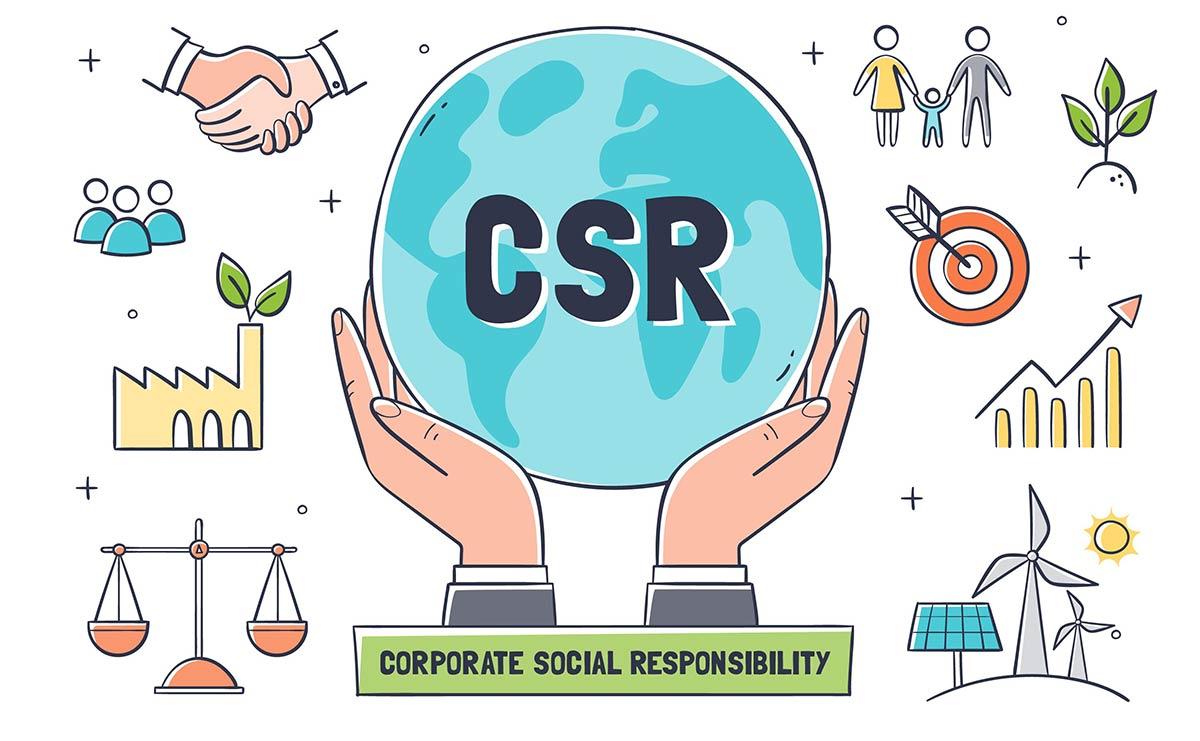
In today’s business landscape, ethical sourcing serves as a pivotal aspect of corporate social responsibility (CSR). By prioritizing the procurement of materials and products from suppliers who adhere to human rights, labor standards, and environmental stewardship, companies can foster a positive image while supporting sustainable practices. This alignment with ethical values not only enhances brand reputation but also establishes a trustworthy relationship with consumers who increasingly favor ethical brands. companies can ensure their sourcing aligns with these values through initiatives that may include:
- Commitment to Fair Trade: Partnering with suppliers who provide fair wages and working conditions.
- Environmental Impact Assessments: Evaluating potential suppliers based on their ecological footprint.
- Transparency Initiatives: Regularly sharing sourcing practices with stakeholders and consumers.
Moreover, the implementation of ethical sourcing initiatives helps mitigate risks associated with supply chain disruptions, labor disputes, and regulatory compliance. Businesses that actively engage in ethical sourcing can enhance their resilience and market agility. As a notable example, companies can adopt supplier scorecards to evaluate and track supplier performance on various ethical metrics, ensuring continuous improvement and alignment with corporate values.A simplified example is illustrated in the table below:
| Supplier | Fair Labor Practices | Environmental Practices |
|---|---|---|
| Supplier A | ✔️ | ✔️ |
| Supplier B | ❌ | ✔️ |
| Supplier C | ✔️ | ❌ |
Measuring the Long-Term Benefits of Ethical Sourcing for Business Growth

Engaging in ethical sourcing not only fulfills a moral obligation but also fosters a ample array of long-term benefits that can significantly propel business growth. by prioritizing sustainability and fair labor practices, companies can enhance their brand reputation and build trust among consumers. Today’s consumers are more informed and are inclined to support brands that reflect their values. This shift in purchasing power underscores the importance of transparency and accountability in sourcing decisions, driving businesses to adopt practices that resonate with their target audience.Ultimately, an ethical approach to sourcing can lead to increased customer loyalty and a competitive edge in a crowded marketplace.
Moreover,ethical sourcing can streamline operations and reduce costs associated with supply chain disruptions. Businesses that invest in sustainable practices are frequently enough better equipped to anticipate and mitigate risks, leading to more resilient operations. For example, working with suppliers who adhere to ethical standards can reduce the likelihood of legal complications related to labor disputes and environmental penalties. additionally, forming long-term partnerships with responsible suppliers can yield benefits such as:
- Improved supplier relationships: Trust and collaboration foster innovation.
- Enhanced product quality: Ethical suppliers are frequently enough more invested in their craft.
- Customer attraction: Consumers prefer brands that prioritize ethics.
Practical Steps for implementing an Effective Ethical Sourcing Strategy
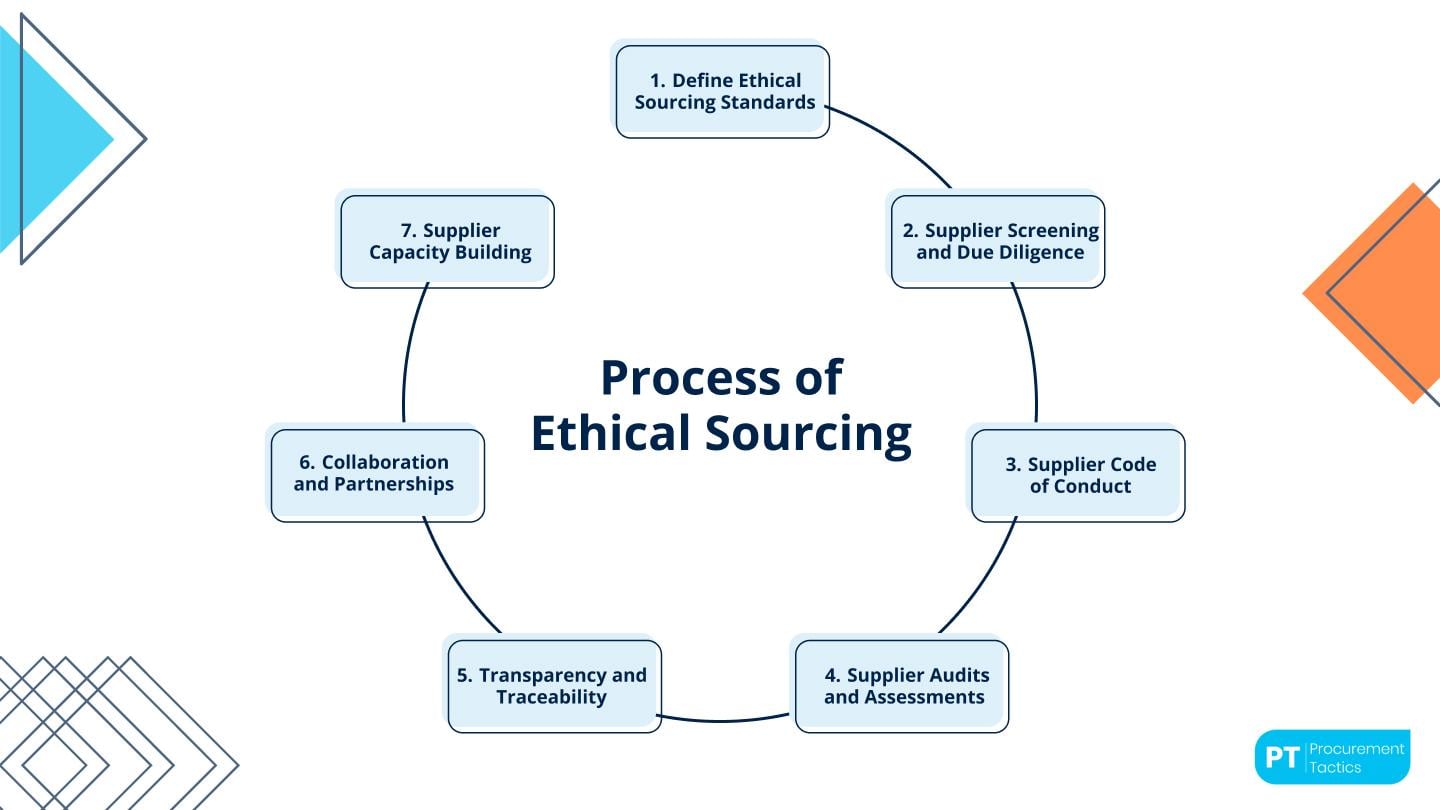
To embark on the journey of ethical sourcing, businesses should first establish a clear vision and commitment to social responsibility.This involves engaging stakeholders by communicating the importance of ethical sourcing and ensuring everyone is on board with the company’s mission. Conducting thorough supplier assessments is essential; this can include evaluating their labor practices, environmental impact, and overall sustainability. Companies should create a supplier code of conduct that outlines the expectations regarding ethical practices and ensure that it is indeed communicated clearly to all partners.
Next, it’s crucial to foster long-lasting relationships with suppliers who align with your values. By investing in their advancement, you can promote positive change across the supply chain while ensuring that sourcing remains ethical. Incorporating transparency measures, such as regular audits and performance reviews, will help to maintain accountability. Furthermore, utilizing technology, like blockchain, can enhance traceability in sourcing, allowing businesses to effectively monitor and manage their ethical commitments. collaborating with NGOs or industry groups can provide additional insights on best practices and resources necessary to implement a robust ethical sourcing strategy.
In Summary
As we navigate the complexities of the modern marketplace, the significance of ethical sourcing becomes increasingly clear. Businesses that prioritize responsible practices not only enhance their reputations but also contribute to a more equitable world. By embracing transparency, fair labor practices, and sustainable sourcing, companies can create a lasting impact that resonates with consumers and strengthens brand loyalty. Ultimately,ethical sourcing is not just a trend; it is a vital component of business strategy that reflects the values of today’s conscientious consumers. As we look to the future, let us remember that every product tells a story—one we can ensure is rooted in integrity. In cultivating a culture of ethics, businesses not only thrive but can also foster a legacy of responsibility and respect for our planet and its people. the journey towards ethical sourcing may be challenging, but the rewards are well worth the effort.