
A customer walks into a shop and leaves with more than they came for – not because they were pressured, but because someone gave them something unexpected: time, attention, useful advice, or a small token. That quiet exchange, generous yet unforced, can ripple outward in ways a hard sell rarely does. Generosity in sales doesn’t mean giveaways or blind altruism; it’s a deliberate, human-centered approach that reframes value as something you provide before you demand anything in return.
This article explores how giving-of knowlege, empathy, convenience, or sincere service-can become a strategic advantage. We’ll look beyond feel-good rhetoric to the mechanisms that make generosity effective: trust-building, social reciprocity, reduced friction, and reputation currency. We’ll also examine real-world examples and practical ways sales teams can integrate generosity without sacrificing margins or clarity of purpose.
If you expect a manifesto about “nice” behavior replacing skill, this isn’t it.Instead, consider generosity as a tool in the sales toolkit-one that, when used thoughtfully, amplifies long-term relationships and sustainable growth. Read on to see why doing more for others can ultimately be the smartest move for selling more.
Rethink the Pitch: Why Generosity Builds Trust Faster Than Traditional Closing Techniques
Flip the script: instead of scripting objections and rehearsing the close, design your first interaction to be a small, undeniable gift. When you lead with useful insight,a tidy checklist,or an intro to someone who can definitely help,you de-risk the relationship for the prospect and create a psychological ledger of goodwill.That early, pressure-free generosity signals competence and intent more convincingly than any slick pitch-people remember what helped them, not what tried to sell them.
Build trust through repeatable, low-cost gestures that stack over time-this is your new conversion engine: give first, ask later.
- Share a tailored resource or audit
- Offer a short,free trial or demo with real data
- Make an unsolicited,valuable introduction
- Send a follow-up note that adds new insight
- Provide a no-strings roadmap for next steps
give First Without Expectation: Practical Ways to Offer Value that Lead to Repeat Sales
Generosity that’s strategic begins with a simple rule: give something genuinely useful, then step back. When you hand a prospect a small, tangible win-a troubleshooting checklist, a short tutorial video, or a one-time discount paired with clear instructions-you signal that your expertise is practical, not just promotional. Over time this builds trust and a sense of reciprocity, turning one pleasant interaction into a pattern of return visits. Customers remember who solved a problem for them when they needed help, and that memory is far more valuable than any single hard-sell.
- Micro-education: 5-minute videos or cheatsheets that solve one pain point.
- Free trial upgrade: brief premium access to showcase value.
- Personal audit: rapid,actionable review with prioritized next steps.
- Community entry: invite to a private forum or live Q&A.
- Surprise add-ons: small gifts or bonuses after purchase.
Turn generosity into a repeatable system: design small offers that scale, automate delivery, and personalize follow-ups so every “free” touch feels intentional rather than random. Track which freebies lead to return visits and refine accordingly; frequently enough the simplest items-an immediate how-to email or a short consulting note-drive the biggest uplift. Below is a quick reference to match low-cost gifts with the outcomes they typically encourage.
| Offer | Best use |
|---|---|
| One-page roadmap | Builds credibility; encourages follow-up |
| Mini audit | Uncovers upsell opportunities |
| Live Q&A | Fosters loyalty and community |
Design a Generosity Framework for Your Sales Process with Clear Steps and Metrics
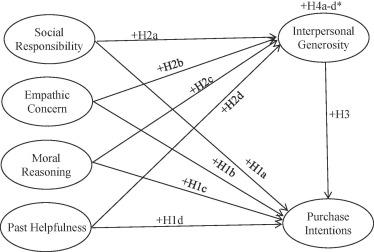
Start by sketching a simple, repeatable path that makes generosity intentional: identify real client needs, give something useful first, and make every interaction teachable. Build this into the sales cadence with clear micro-steps your team can follow, for example:
- Listen: 3 open questions to map priorities
- Give: free insight, template, or audit within 48 hours
- Educate: one actionable tip per follow-up
- Deliver: small wins before asking for commitment
- Document: log value delivered in CRM
Treat each step as an offer of value, not a sales tactic, so generosity becomes the process engine rather than an occasional gesture.
Measure generosity deliberately: track outcomes that show value first, conversion second. use a compact scorecard to keep the framework honest and simple:
| Metric | Why it matters | Cadence |
|---|---|---|
| Value Touches | Shows how frequently enough you deliver useful help | Weekly |
| Time-to-First-Help | Speed equals trust | Per lead |
| Upfront Win Rate | Conversion after initial free value | Monthly |
Keeping the dashboard small encourages behavior change: focus on the few metrics that reward generosity, and iterate the steps when numbers show friction.
- Tip: tie one metric to a regular coaching conversation so generosity stays measurable.
Train Teams to Lead with Empathy: Scripts, Exercises, and Feedback Loops That Encourage Giving
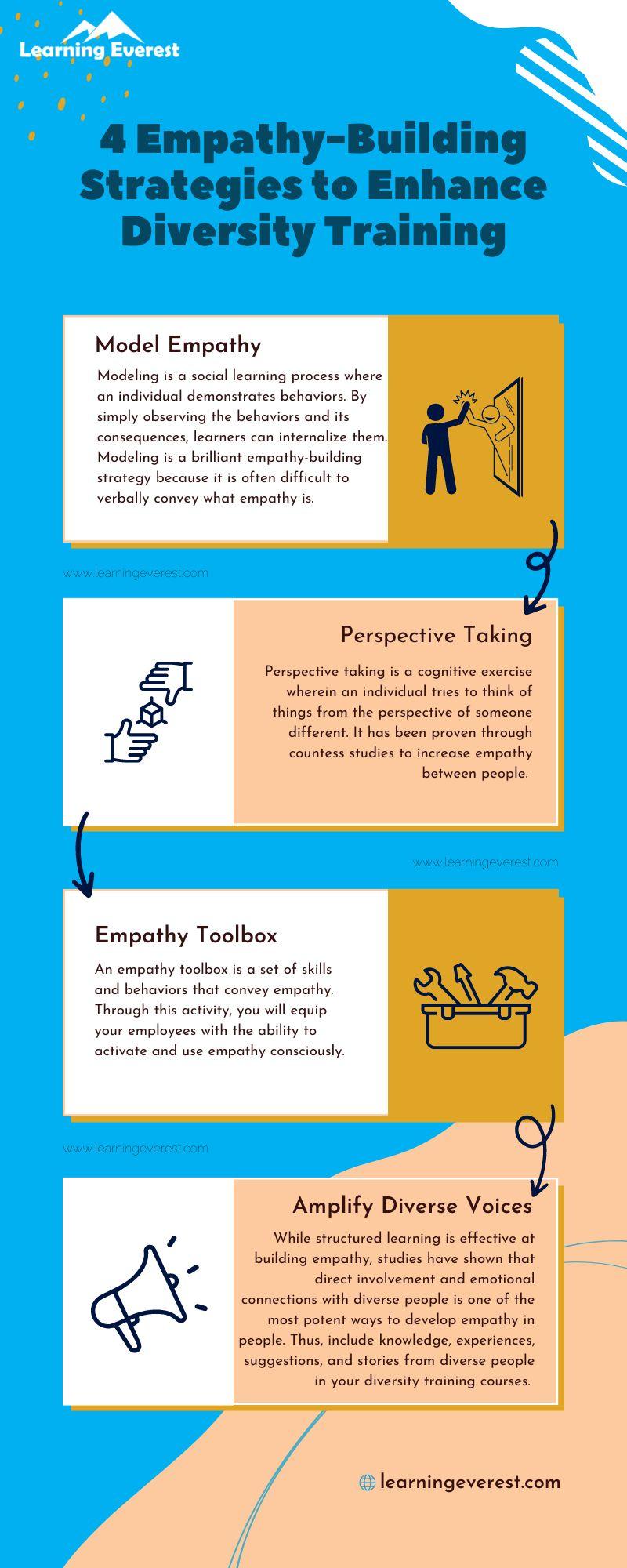
Equip reps with short, repeatable lines and empathy-first rituals that feel authentic rather than scripted. Try a compact library of micro-scripts they can adapt in the moment – quick prompts that shift intent from closing to caring. Use live role-plays where one person practices offering value (a tip, a connector, or a helpful resource) and the othre practices accepting or redirecting that value; rotate roles so generosity becomes habitual. Sample prompts your team can memorize and mold:
- “I noticed you’re doing X – can I share one idea that helped others?”
- “If this isn’t the right time,what would be most helpful from me later?”
- “I can connect you with someone who’s solved that – want an intro?”
These short phrases lower pressure,open doors,and frame outreach as a gift rather than a transaction.
Build a tight feedback loop that rewards giving itself: peer coaching, recorded call reviews with empathy checklists, and weekly shout-outs for unexpected generosity. Track both soft signals (mentions of helpfulness in notes, customer sentiment) and hard outcomes (referrals, re-engagements) so the team sees how giving converts over time. use a simple reference table to keep exercises actionable and measurable:
| exercise | Purpose | Quick Metric |
|---|---|---|
| Role-play swaps | Practice offering value | 2 suggestions/call |
| Call highlight reel | Spot empathetic language | Mentions per week |
| Peer gratitude notes | Reinforce giving | Shout-outs/week |
Make the coaching routine predictable and kind: short, specific feedback focused on what was given and its effect, not just on quotas. Over time, generosity becomes a measurable competency that drives both relationships and revenue.
Measure Generosity ROI: Tracking Customer Lifetime Value,Engagement,and Referral Uplift
To prove that generosity pays, start by zeroing in on a handful of actionable KPIs and letting them tell the story. Focus on lifetime value, engagement signals, and the ripple effects of referrals rather than raw conversion alone. Useful lenses include:
- Customer Lifetime Value (CLV) - how much an average customer is worth over time after you introduce generous touches.
- Engagement Rate – session duration, content interactions, and product usage that signal deeper loyalty.
- Repeat Purchase Rate – the clearest behavioral proof that generosity converted affection into revenue.
- Referral Uplift – new customers acquired as existing buyers loved the experiance enough to tell others.
- Net Promoter Score (NPS) – qualitative fuel that predicts future referrals and stickiness.
Turn those signals into a simple ROI dashboard: run short A/B tests, track delta changes, and project incremental revenue from improved metrics. Below is a compact template you can copy into your reporting – use it to estimate how a small generosity program can scale across cohorts and justify investment. Run experiments for at least one customer cycle and measure retention lifts before scaling.
| Metric | baseline | After Generosity | uplift | Est. $ Impact / Customer |
|---|---|---|---|---|
| CLV | $120 | $150 | +25% | $30 |
| Repeat Rate | 18% | 24% | +6pp | $12 |
| Referral Rate | 2% | 5% | +3pp | $8 |
Avoid Generosity Pitfalls: When Freebies undermine Value and How to Set Healthy Boundaries
Generosity becomes counterproductive when it trains buyers to expect something for nothing and chips away at perceived value. Free samples, lifetime freebies, or unlimited concessions can create a culture of dependence rather than appreciation, and they often attract bargain-seekers instead of loyal customers. watch for warning signs like declining conversion rates after giveaways, repeated requests for extended freebies, or customers who only engage when an offer exists.
- Lowered price expectations
- Higher support burden from non-paying users
- Reduced willingness to upgrade
Boundaries preserve both generosity and business health. Design giveaways as strategic touchpoints that lead to clear next steps, protect your margins with limits, and communicate the exchange of value plainly. Use experiments to learn what converts, then codify policies so generosity scales without bleeding resources.
- Set time-limited or feature-limited trials
- Require a small commitment (email, survey, micro-payment)
- Publish clear refund/upgrade rules
- Create tiered offers that reward paying customers
In Retrospect
Generosity in sales is less about empty gestures and more about a deliberate shift in focus: from closing a single transaction to opening a longer conversation.When you give useful information, time, or small unexpected value without immediate strings attached, you build credibility, trigger reciprocity, and create space for authentic relationships that outlast any one deal.
That doesn’t mean abandoning strategy – it means redesigning it. Measure the long-term returns on trust, prioritize consistency over grandiose giveaways, and treat generosity as an investment in reputation and network effects rather than a cost center.Small,well-timed acts of value can become a reliable competitive advantage in crowded markets.
generosity works as it reorients the sales process around people, not quotas. Try making one generous choice this week – share a helpful insight, solve a problem without asking for payment, or simply listen longer – and watch whether the returns arrive as relationship, loyalty, or new opportunities.