A product spec can read like a grocery list: processor speed, battery life, stitch count. But when a purchase is made, something subtler than specs changes hands - an idea, an image, a little piece of who the buyer wants to be. People seldom spend money on isolated capabilities; they invest in the stories those capabilities tell about them to themselves and to others.
This article explores that quiet exchange: how features become props in the theater of identity. Drawing on psychology, sociology, and everyday examples, we’ll look at why a phone is more than a phone, why a pair of shoes can signal membership in a tribe, and why marketers who focus only on functionality miss the deeper currency at play. Rather than argue that features don’t matter, we’ll show how features are reframed, amplified, or ignored depending on the identity they help construct.Along the way we’ll unpack the mechanisms – self-concept, social signaling, cultural narratives – and consider practical implications for product design, marketing, and customer experience. The goal is not to supply a formula, but to reframe how we think about purchase decisions: less as transactions over items, more as negotiations over identity.
The social currency of products: how identity shapes buying decisions and what brands must emphasize
People don’t buy a longer battery life or an extra lens because those specifications will sit quietly in a spec sheet; they buy what those specs allow them to say about themselves. products act as shorthand in social conversation – a badge, a handshake, a wink – and that shorthand is social currency. When a purchase becomes a visible cue (what you wear, the gadgets you display, the coffee cup you carry), it converts utility into identity: the rational benefits become the background, while the visible signal does the talking.Savvy customers choose things that fit the story they want others to believe, and that story is more persuasive than any technical claim.
For brands to win, they must design beyond features and cultivate the symbols people want to carry. Consider emphasizing:
- Narratives: tell a story customers can step into, not just a list of specs.
- Community: create rituals and spaces where ownership communicates belonging.
- sensory cues: prioritize touch, sound and visuals that become recognizable signals.
- Recognition: use subtle markers-badges, limited runs, shared language-that let users announce membership.
When a product becomes part of someone’s identity, it earns repeated choice; features get compared, identities get adopted.
From functionality to self expression: decoding the emotional triggers that override features and how to design messaging

People rarely purchase a spec sheet; they buy a story they can wear. Features become meaningful only when they are translated into cues of who you are or who you want to be-an effortless signal of taste, competence, or belonging. Craft copy and visuals that pivot from “what it does” to “what it says about you,” using self-expression and social signaling as the primary hooks that override rational comparisons.
To convert functionality into identity,map each product strength to an emotional trigger and speak to that trigger first,then justify it with features. Use clear, identity-first messaging and micro-narratives that invite the audience to imagine themselves already fitting in.
- Aspiration – Paint the future-self made possible by the product.
- Belonging - Show the tribes and rituals that adopt it.
- Competence – demonstrate effortless mastery or status.
- Rebellion - Frame features as rules they get to break.
| Trigger | Messaging Tip |
|---|---|
| Aspiration | Lead with the imagined outcome, not the spec. |
| Belonging | Use visuals of real people fitting in. |
| Competence | Offer proof points that feel effortless. |
Segmentation by values not demographics: practical steps to map customer identities and tailor product positioning

Move past surface markers and map the decisions that actually drive purchase behavior – what people believe about themselves, what they aspire to be, and the rituals that reinforce those beliefs. Practical steps you can take right now:
- Run value-first interviews – ask why a choice mattered, not just which features they used.
- Capture identity signals – language,routines,communities and trade-offs reveal who they consider themselves to be.
- Create archetypes – cluster by shared values (e.g., Explorer, Steward, Maker) rather of age or income.
- Score and prioritize – rank segments by size,loyalty potential,and alignment with your product’s core promise.
With identity maps in hand,tailor positioning that speaks to how people see themselves rather than what they do. Convert insights into testable messages and product cues:
- Design hooks – craft copy and visuals that reflect the archetype’s language and rituals.
- Align features to identity – promote the one benefit that affirms who they want to be, not every capability.
- Measure identity lift – A/B test messaging for changes in self-reported fit and intent, not just clicks.
| Identity | Core value | Positioning hook |
|---|---|---|
| Explorer | Discovery | “Unlock new experiences – crafted for the curious.” |
| Steward | Responsibility | “Built to last, considerate by design.” |
| Maker | creation | “Tools that amplify your craft and control.” |
Product design that signals identity: guidelines for visual tactile and experiential cues that communicate belonging
Designs that feel like a home for a person’s identity work less like instruction manuals and more like mirrors and badges: they reflect who someone is,give subtle permission to belong,and make membership easy to perform. When visual choices, material decisions and interaction rituals speak the same language, users stop thinking about feature lists and start recognizing themselves. That recognition comes from patterns that are coherent and intentional-consistent visual grammar, tactile authenticity, and ritualized experiences that reduce cognitive friction and invite repetition.
- Visual cues – color palettes, typography, and iconography that echo a group’s cultural references without caricature.
- Tactile cues – material weight, texture, and finish that feel appropriate for the identity you’re signaling (warm, rugged, luxe, minimalist).
- Experiential cues – onboarding, language tone, and micro-interactions that act like initiation rituals rather than utility checklists.
- Social cues – visible use cases, member stories, and collectible tokens that create social proof and a sense of lineage.
- Inclusive cues - accessible alternatives and adaptable options so signals of belonging aren’t gatekeeping in disguise.
Put these cues into practise by mapping target archetypes, prototyping with real materials, and testing whether people feel recognized within the first 30 seconds of use. Prioritize micro-rituals over million-feature launches, treat onboarding as an initiation rather than a tutorial, and give people lightweight ways to customize signals of belonging. Measure success through engagement patterns and repeat behaviors-not just feature adoption-and iterate until the product reads less like a tool and more like a community emblem.
Marketing touchpoints that reinforce identity: recommended channels storytelling techniques and community building tactics
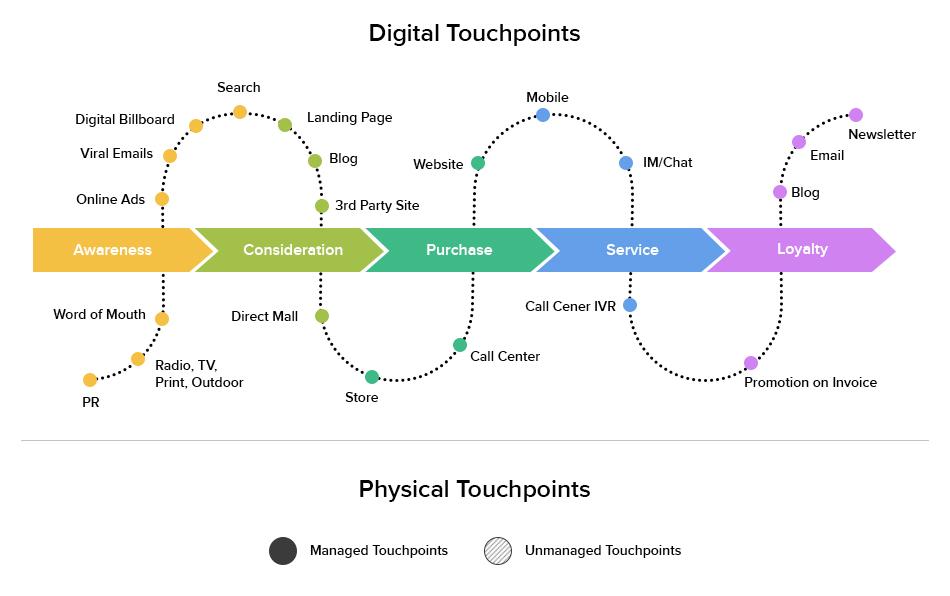
Choose the channels that become mirrors for who your customers want to be – not just where they live online. Think of social feeds, packaging, in-product microcopy, and real-world experiences as a single stage where cues must be consistent: language, imagery, and even response times should echo the identity you’re selling.Use storytelling techniques that create patterns people can inhabit: an origin story that defines values, recurring rituals that invite participation, and sensory details that make belonging feel tangible.
- Social: curated narratives and community highlights
- email & CRM: sequenced onboarding that teaches rituals
- Product UX: microcopy that affirms status
- Events & IRL: sensory, repeatable rituals
Turn customers into citizens of a brand culture through low-friction participation - small, repeatable actions (posting a photo, using a hashtag, mentoring a newbie) compound into identity.Build clear entry points, reward visible contributions, and seed ambassadors who model the behavior you want to scale.
- UGC campaigns that spotlight member stories
- Local meetups and rituals to deepen ties
- Co-creation spaces for product and culture
| Touchpoint | Reinforces | Rapid example |
|---|---|---|
| Onboarding | Belonging | Choose-your-ritual checklist |
| Community feed | Status | Member spotlight stories |
| events | Ritual | Welcome chant or token |
Measuring identity fit and iterating product market alignment: metrics to track tests to run and how to adapt quickly
Start by treating identity fit as an observable signal, not a guess - translate feelings into numbers and patterns. Track a mix of behavioral and attitudinal metrics:
- Activation by persona – percent of new users who complete identity-defining actions (profile, bio, first post).
- Retention cohorts – 7/30-day retention split by self-reported identity or onboarding selection.
- NPS / Identity Sentiment – qualitative tags from open feedback mapped to identity themes.
- Engagement depth – frequency of identity-reinforcing behaviors (shares, endorsements, community posts).
- Conversion lift – lift in purchase or upgrade rates when messaging mirrors identity cues.
Combine these into a rolling Identity Fit Score (weighted composite) so you can see whether changes improve how people see themselves in your product, not just whether they clicked a button.
Design experiments to reveal identity alignment quickly and iterate the moment signals diverge. Run targeted tests like:
- messaging A/B that emphasizes different identity narratives;
- onboarding variants that surface identity choices early;
- community pilots that promote peer identity validation;
- pricing bundles framed around identity outcomes.
Use short windows and clear stop rules - a 7-14 day decision horizon is often enough. Below is a compact decision table you can copy into your dashboard:
| Test | Key metric | Quick decision |
|---|---|---|
| Messaging A vs B | Activation rate | +10% → double down |
| Onboarding flow | Day‑7 retention | +15% → roll out |
| Community pilot | NPS / Sentiment | +8 pts → expand |
Then act fast: stop, scale, or iterate – and keep experiment artifacts small so you can swap identity cues, copy, or flows without engineering drag.
Key Takeaways
the calculator under the car seat and the extra pixels on the screen matter far less than the story a product lets someone tell about themselves. People don’t wake up wanting a feature; they wake up wanting to belong to an idea, to a future version of themselves. When a product becomes a prop in that personal narrative, features fall into place as necessary details rather than the whole reason for the purchase.
That shift – from engineering specifications to emotional scaffolding - doesn’t invalidate utility. It reframes it: usefulness is judged by how well it supports identity, not by specs alone. for makers and marketers, the task is not to hide features but to reveal the identity they enable.So,whether you’re building a device,a service,or a campaign,consider the life it helps people inhabit. Focus less on what it does and more on who it helps people become. That viewpoint doesn’t just sell; it resonates.