



In an age where content is king and the digital landscape evolves at breakneck speed, businesses face an unprecedented challenge: capturing the attention of increasingly selective consumers. No longer can companies rely solely on traditional marketing techniques or passive engagement. Instead, the most triumphant brands are recognizing a powerful truth: they must operate like media companies. By embracing a media-centric approach, businesses not only enhance their storytelling capabilities but also cultivate deeper connections with their audiences. this article explores the compelling reasons why adopting a media mindset can transform your brand, boost customer loyalty, and ultimately drive growth in a highly competitive marketplace. Join us as we delve into the strategies that can turn your business from a simple provider of goods or services into a dynamic storyteller that resonates in today’s connected world.
Embracing the Media mindset for Enhanced Engagement

In today’s fast-paced digital landscape, businesses must adopt a media-first approach to cultivate deeper customer connections and foster community.By leveraging the principles of media companies, organizations can create compelling content that resonates with their target audience. This entails not only sharing promotional material but also offering valuable insights, entertaining stories, and timely data. Businesses can engage their audience through various formats such as articles, videos, podcasts, and infographics, ensuring that the content is both engaging and shareable.
To successfully adopt this new mindset, businesses should focus on the following strategies:
- Consistency: Regularly updating content keeps your audience engaged and informed.
- Storytelling: Craft narratives that connect emotionally with your audience, encouraging them to share and participate.
- Community Building: Foster a sense of belonging by encouraging interactions among your audience.
- Data Utilization: Analyze audience behavior to tailor content that meets their needs and interests.
| Strategies | Benefits |
|---|---|
| Consistent Content Creation | Improves audience retention |
| Engaging Storytelling | Enhances brand loyalty |
| Community Engagement | Increases customer satisfaction |
| Data-Driven Insights | Creates targeted content |
Creating Compelling Content that Resonates with Your Audience

Creating content that resonates requires a deep understanding of your audience’s desires, interests, and pain points. To truly engage your audience, consider these essential strategies:
- Know Your Audience: Conduct surveys or utilize analytics tools to gather insights about your audience demographics, preferences, and behaviors.
- Storytelling: Use relatable stories that evoke emotions. Highlighting real-life experiences makes your content more authentic and engaging.
- Value-Driven Content: Focus on providing solutions or valuable information. Whether it’s how-to guides, industry insights, or tips, your audience should always gain something from your content.
- Consistency is Key: Regularly publish content to keep your audience engaged and coming back for more.Develop a content calendar to plan ahead.
Moreover, leveraging multimedia can considerably enhance the effectiveness of your messaging. Consider integrating the following elements:
| Media Type | purpose |
|---|---|
| Images | To complement text and create a visual connection. |
| Videos | To provide dynamic information and engage viewers. |
| Podcasts | To reach an audience that prefers audio content while multitasking. |
| Infographics | To present complex information clearly and concisely. |
Leveraging Technology to Amplify Your Brand Narrative
In a landscape where consumers are bombarded with messages, standing out requires more than just a unique product or service. By adopting a media company mindset, brands can create immersive narratives that resonate deeply with their audience. Social media platforms, podcasts, and video channels serve as modern storytelling canvases that empower businesses to engage audiences like never before. Leveraging tools such as analytics software allows companies to not only measure the impact of their content but also to refine it continually, ensuring that the brand narrative evolves in harmony with consumer expectations.
The integration of technology into brand storytelling doesn’t stop at content creation; it extends into personalized marketing strategies. Businesses can employ AI and machine learning to tailor messages that feel bespoke to individual consumers. This fosters a deeper connection, driving loyalty and engagement. Here’s a speedy look at effective strategies companies can use:
| Strategy | Description |
|---|---|
| Content Diversification | Create various content types-articles, videos, infographics-to reach different audiences. |
| Data-Driven Insights | Utilize analytics to understand consumer behavior and adapt strategies accordingly. |
| Engagement Through interactivity | Incorporate polls, quizzes, and live Q&A sessions to foster interaction. |
Building a Community Around Your Brand Through Storytelling
Every brand has a story to tell, and weaving that narrative into the fabric of your community can transform casual consumers into loyal advocates. By sharing authentic experiences and genuine values, you invite your audience to join a shared journey. To do this effectively, consider the following approaches:
- engage Through Personal Stories: Share the journey of your founders or employees, showcasing vulnerability and authenticity.
- Highlight Customer Narratives: Encourage customers to share their experiences, creating a relatable connection with new prospects.
- Utilize Multi-Media Formats: Leverage videos,podcasts,and blog posts to diversify storytelling methods and reach wider audiences.
In fostering this dynamic relationship, it’s essential to create a space where dialog is encouraged. A thriving community grows from open interaction, where feedback is not only welcomed but celebrated. Consider establishing community forums or social media groups that focus on shared interests and challenges related to your industry. You might even explore hosting events or webinars to bring your audience together, allowing them to interact directly with your brand and with each other. Here’s a quick overview of community engagement strategies:
| Strategy | Description |
|---|---|
| Social Media Engagement | Interact with your audience through posts, comments, and live sessions. |
| Content Collaboration | Partner with influencers or community members to co-create content. |
| Feedback Surveys | Regularly ask for input to create products and experiences that resonate. |
Measuring Success: Analytics that Matter for Media Integration

In today’s digital landscape, understanding your audience is paramount. Businesses need to harness key performance metrics that illuminate how well their integrated media initiatives are performing. Focusing on engagement rates, reach, and conversion metrics can provide insights that drive growth. Here are some essential analytics to consider:
- Engagement Rate: Measures interactions (likes, shares, comments) against total followers or views.
- Click-Through Rate (CTR): The percentage of users who click on a link compared to those who view the content.
- Customer Acquisition Cost (CAC): The total cost of acquiring a new customer through media efforts.
To visualize these metrics, consider creating a table that outlines your key performance indicators (KPIs) against specific campaigns. This can help simplify complex data and make it more actionable for decision-makers:
| Campaign | Engagement Rate (%) | CTR (%) | CAC ($) |
|---|---|---|---|
| social Media Blitz | 12.5 | 4.3 | 50 |
| Email Newsletter | 18.9 | 6.1 | 75 |
| Pay-Per-Click Ads | 8.2 | 2.5 | 100 |
By continuously measuring these metrics, businesses can refine their media strategies, ensuring they’re not just broadcasting content but creating meaningful connections that resonate with their audience. Each analytic serves as a roadmap, guiding you towards sustainable success in a media-driven world.
Navigating Challenges: Balancing Brand Integrity with Content Strategy
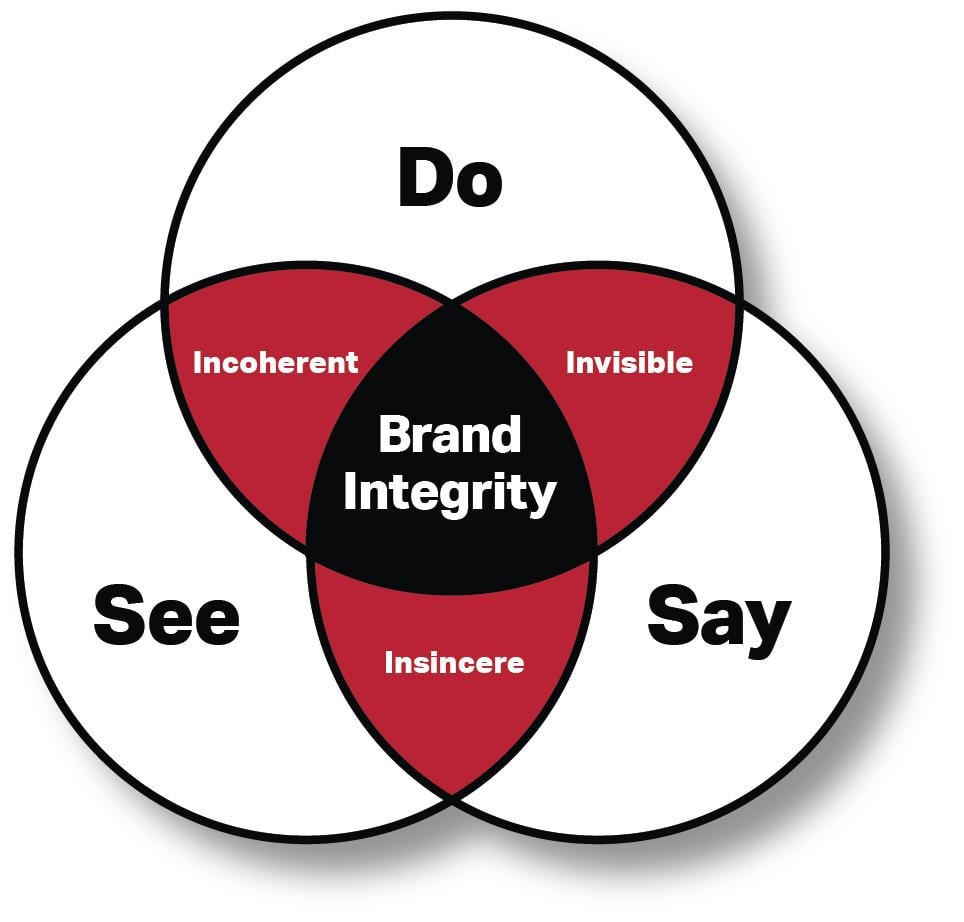
In the ever-evolving landscape of digital marketing, a brand’s integrity can easily be compromised by an aggressive content strategy. Businesses that aim to position themselves like media companies must strike a delicate balance. By prioritizing authenticity and transparency, brands can foster genuine connections with their audience while producing engaging content. This involves creating content that resonates with your target demographic without overselling or diluting your core values. Consider implementing guidelines that govern the tone, voice, and messaging of your content to ensure consistency across all platforms.
To effectively navigate these challenges, brands would benefit from a clear framework that aligns their content strategy with their overarching brand mission. Integrating audience feedback and analytics can guide this process. Here are some strategies to consider:
- Content Calendar: Plan and schedule content around key themes that reflect both your brand and audience interests.
- Engagement Metrics: Continuously analyze which types of content resonate most with your audience, allowing for agile pivots.
- Authenticity Checks: Regularly review content for alignment with brand values before publishing.
By fostering an environment where creativity intersects with brand integrity, businesses can successfully navigate the intricacies of content strategy without compromising the essence of who they are.This approach not only reinforces credibility but also sets the stage for sustainable growth in a competitive marketplace.
Fostering a Culture of Creativity and Innovation within Your Team

In the fast-paced landscape of modern business,nurturing creativity and innovation is not just an option; it’s a necessity. Teams that think like media companies can leverage their unique perspectives to produce content that resonates with audiences while together sparking innovative ideas. To cultivate this dynamic environment, consider implementing strategies such as:
- Regular brainstorming sessions: Encourage team members to share unconventional ideas without fear of critique.
- Cross-functional collaboration: Break down silos by pairing individuals from different departments to share insights and foster diverse thinking.
- Encouraging experimentation: Create a safe space for employees to test new concepts without the fear of failure.
Building a culture that thrives on creativity ensures that your team is not just responsive to change, but proactively shaping it. This can be achieved through consistent feedback loops and recognition of creative contributions. Consider the following table to outline critical components that support an innovative team environment:
| Component | Description |
|---|---|
| Open Communication | Promote a clear dialogue where ideas flow freely among team members. |
| Continuous Learning | Encourage ongoing education and training to keep the team ahead of industry trends. |
| Celebration of Wins | Recognize and reward innovative successes, no matter how small. |
Insights and Conclusions
as we conclude our exploration of why businesses should adopt the mindset of a media company, it’s clear that the landscape of marketing and customer engagement is evolving at a breakneck pace. By embracing this shift, businesses can harness the power of storytelling, connectivity, and content creation to not only captivate their audience but also foster loyalty and trust.
In a world where attention spans are fleeting and information is abundant, the ability to share meaningful, relevant narratives can set a business apart in the crowded marketplace.Whether you’re crafting engaging blog posts, producing informative videos, or sharing insightful social media updates, the principles of a media company can transform your approach and drive not just sales, but a deeper connection with your audience.
As you contemplate the future of your business strategy, remember that being a media company isn’t just about creating content-it’s about cultivating a culture of creativity, collaboration, and continuous learning. By doing so, you’re not just engaging your customers; you’re establishing your brand as a valued authority in your industry.
so, why wait? Start viewing your business through the lens of a media company today, and watch as you unlock new avenues for growth, innovation, and lasting impact. the world is listening-make sure your story is one they won’t forget.