



In today’s fast-paced market, the thrill of launching a new product can quickly turn to confusion and frustration when sales don’t meet expectations.You’ve put in the hard work-developing a concept, fine-tuning design, and crafting marketing strategies-but somehow, your product still sits stagnant on the shelves. So, what went wrong? Understanding the reasons behind sluggish sales is essential for any buisness owner aiming to thrive in a competitive landscape. In this article, we’ll explore the common pitfalls that could be derailing your product’s success and provide actionable strategies to get it back on track. Whether you’re a seasoned entrepreneur or a newcomer to the game, this guide will illuminate the path to revitalizing your sales and reinvigorating your brand. Let’s dive in and uncover the solutions that can turn your struggling product into a market favorite.
Understanding Your Target Audience and Their Needs
Understanding the unique characteristics and preferences of your audience is crucial for product success. Start by conducting surveys or utilizing analytic tools to gather data about who is engaging with your brand. Focus on aspects such as:
- Demographics: Age, gender, location, and income level.
- Psychographics: Interests, lifestyle choices, and values.
- Behavioral Patterns: Purchase habits, online activity, and product usage.
Once you have this data,create detailed buyer personas that reflect the different segments of your audience. Each persona should outline their goals, challenges, and pain points. This understanding allows you to address their needs directly. Additionally, engaging with your audience through social media or support channels can provide valuable insights into what they want and expect from your product. By prioritizing their feedback, you can adapt your offerings and marketing strategies to align with their preferences, ultimately improving your sales performance.
| Audience Segment | Key Needs | Preferred Communication |
|---|---|---|
| Millennials | Value and quality | Social media engagement |
| Families | Convenience and reliability | Email newsletters |
| Professionals | Efficiency and innovation | Webinars and blogs |
Evaluating Your Unique Selling Proposition
Identifying what sets your product apart is crucial for capturing the attention of potential customers.To effectively evaluate your unique selling proposition (USP), consider these vital elements:
- Target Audience: Who benefits most from your product? Understanding their needs and pain points can definitely help refine your USP.
- Key Features: What are the standout features of your product? Focus on what makes it different or better than competitors.
- Value Offered: What problem does your product solve? Highlight the specific benefits that will resonate with consumers.
Once you have clarity on your unique aspects, it’s essential to test and iterate. Engage with your customers through surveys or feedback forms to assess their perceptions of your product. You can visualize this data in a simple format:
| Customer Feedback | Adjustments Needed |
|---|---|
| Price too high | consider pricing strategy |
| Lacks key features | Enhance product design |
| Poor brand recognition | Improve marketing strategies |
By continually refining your USP in response to customer feedback, you can strengthen your product’s appeal and drive sales more effectively.
Analyzing Pricing Strategies and Market Positioning
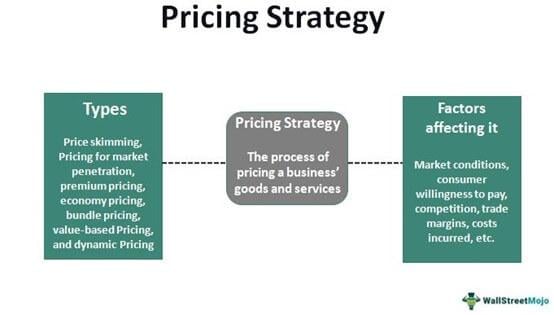
Understanding the interplay between pricing strategies and market positioning is crucial for revamping a product’s sales trajectory. A well-defined pricing strategy not only reflects your brand’s value but can also carve out a niche in the crowded market landscape.Consider implementing one of the following approaches:
- Penetration Pricing: Establish a lower initial price to attract customers and build market share rapidly.
- Value-Based Pricing: Set prices based on the perceived value to the customers rather than on cost alone.
- Premium Pricing: Position your product as a luxury option, indicating higher quality and exclusivity.
While experimenting with pricing, it’s vital to assess your position relative to competitors. A comparative analysis can shed light on gaps in your strategy. Below is a simple table illustrating how your product’s pricing stacks up against similar offerings:
| Product | Price | Positioning |
|---|---|---|
| Product A | $29.99 | Value Leader |
| Product B | $49.99 | Standard |
| Product C | $89.99 | Premium |
By clearly identifying where your product fits within the pricing spectrum,you can adjust your tactics accordingly. This may involve re-evaluating your unique selling propositions (USPs) and ensuring they align with customer desires, ultimately leading to enhanced visibility and sales performance.
Enhancing Product Visibility and marketing Efforts
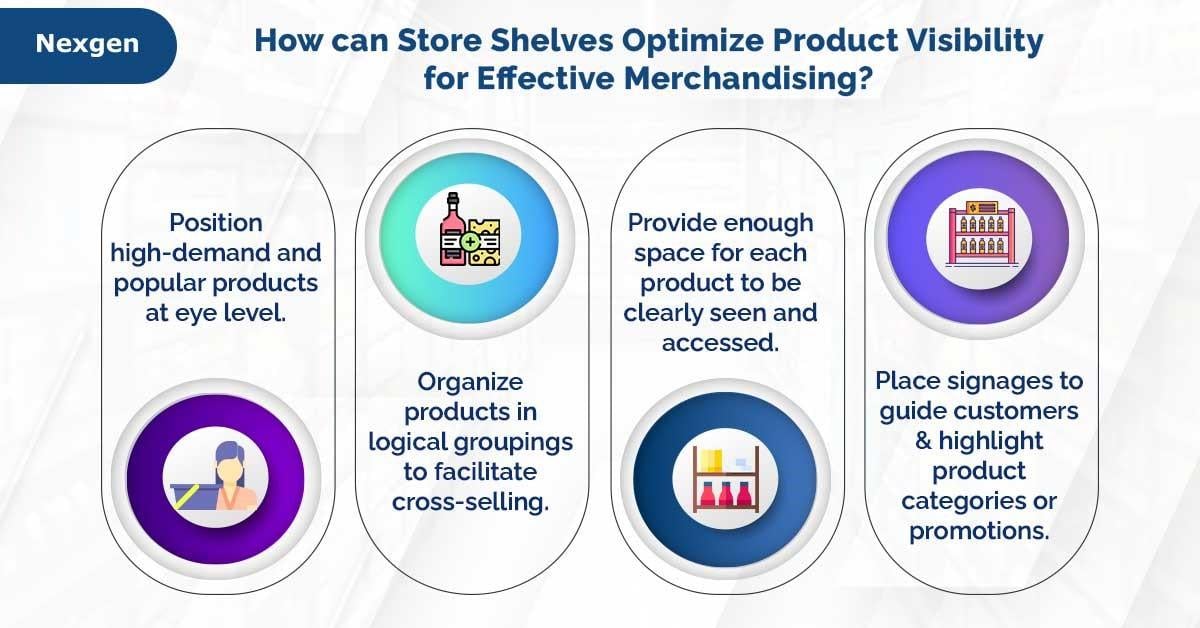
In the world of e-commerce and retail, visibility is paramount. If your product isn’t making the expected sales, it may be time to reevaluate how it’s being showcased. Consider investing in visually appealing product photography and maintaining a consistent branding strategy across all platforms.Additionally, using compelling product descriptions that highlight key features and benefits can capture potential buyers’ attention. Here are some strategies to enhance visibility:
- Leverage Social Media: Utilize platforms like Instagram and facebook to reach broader audiences through engaging posts and targeted ads.
- Optimize for Search Engines: Ensure your product listings are SEO-friendly, using relevant keywords to rank higher in search results.
- Collaborate with Influencers: Partnering with social media influencers can significantly increase brand exposure and drive traffic to your product.
another crucial aspect of boosting sales is effective marketing. Engaging marketing campaigns can create buzz around your product and draw in potential customers. Utilize customer feedback and testimonials to build trust and credibility around your brand. Consider implementing techniques like:
| Marketing Method | Description |
|---|---|
| Email Campaigns | Send targeted emails to past customers and leads, showcasing new products and limited-time offers. |
| Content Marketing | Create valuable content that addresses customer pain points, driving organic traffic to your product. |
| Paid Advertising | Invest in pay-per-click ads or social media ads to target specific demographics and increase product visibility. |
Improving Customer Experience and engagement

One of the most effective ways to enhance customer experience is by actively seeking their feedback. Engage your audience through surveys or feedback forms that allow them to express their thoughts on your product and overall shopping journey. This not only makes customers feel valued but also provides you with critical insights that can guide improvements. Consider these action points:
- Personalize communication based on customer preferences.
- Utilize chatbots for 24/7 customer assistance.
- Implement a loyalty program that rewards repeat purchases.
Additionally, ensuring an intuitive and seamless purchasing process can significantly boost customer satisfaction. Streamline your online platform by simplifying navigation and minimizing checkout steps. By establishing clear calls-to-action and providing comprehensive product information, you can foster a sense of trust and confidence in potential buyers. Here’s a simple breakdown of crucial elements to optimize:
| element | Importance |
|---|---|
| Mobile optimization | 75% of users shop via mobile devices. |
| Quick Loading Times | Users abandon sites that take over 3 seconds to load. |
| Clear CTAs | Direct customers toward desired actions effortlessly. |
Gathering Feedback and Iterating on Your Offer

Collecting feedback from your target audience is a crucial step in refining your product.create a structured approach to gather insights, whether through surveys, one-on-one interviews, or social media polls. Key methods include:
- Surveys: Utilize tools like Google Forms or SurveyMonkey to design concise questionnaires.
- User Testing: Invite select customers to test your product and observe their interaction with it.
- Online Feedback Forums: Establish platforms where users can freely express their thoughts on your offer.
Once you have collected feedback, the next step is to analyze and iterate on your offer based on the insights received. Organize the feedback and identify common themes or pain points. Consider creating a simple feedback analysis table to visualize the data:
| Feedback Type | Action Required | Priority Level |
|---|---|---|
| Price Concerns | Evaluate pricing strategy | High |
| Feature Requests | Plan future updates | Medium |
| Usability Issues | improve user interface | High |
By consistently refining your product based on real customer experiences and needs, you’ll enhance its appeal and increase your chances of achieving sales success.
Implementing Quick wins for Immediate Impact

To address sluggish sales, consider implementing strategies that yield quick results. First, enhance your product’s visibility by leveraging social media platforms. Engaging posts, eye-catching graphics, and targeted ads can drive traffic to your product page. Second, utilize customer feedback to refine your offerings.Conduct surveys or request reviews, and then integrate the insights gained into your product development. This not only improves your product but also fosters a sense of community, making customers feel valued.
Another effective approach is to offer time-limited promotions or discounts. this creates a sense of urgency,encouraging potential buyers to make quicker purchasing decisions. Additionally, consider bundling products or offering loyalty rewards to create incentives for repeat customers. Here’s a simple table outlining potential quick win strategies and their expected benefits:
| Strategy | Expected Benefit |
|---|---|
| Social Media Ads | Increased visibility and reach |
| Customer Surveys | Product refinement and customer loyalty |
| Limited-Time Discounts | Boost in immediate sales |
| Product Bundling | Improved perceived value |
| Loyalty Rewards | enhanced customer retention |
Future Outlook
In the fast-paced world of business, the journey from concept to conversion can often feel like a winding road filled with detours and obstacles. if you’ve found your product sitting on the shelf rather than flying off it, remember: this is not the end of the road, but an chance for reinvention. By taking the time to analyze your market fit, refine your messaging, and truly understand your audience, you can breathe new life into your offering.
As we wrap up this exploration of why your product might not be selling and how to turn the tide quickly, we encourage you to embrace these insights as powerful tools rather than roadblocks. The path to success is frequently enough marked by trial, error, and a willingness to adapt. By identifying the gaps and making the necessary adjustments, you can position your product for the success it deserves.
Now, it’s up to you to take the first step. With the right strategies in place, your product can transform from overlooked to overbooked in no time.Get ready to turn insights into action and watch your sales soar. After all, every great product has its moment waiting just around the corner.