



In a world inundated with distractions and excess, where noise often drowns out clarity, the principles of minimalism have emerged as a beacon for modern business design. As companies strive to captivate audiences and streamline operations, the essence of minimalism-characterized by simplicity, functionality, and deliberate choice-has become an invaluable asset. This article delves into the compelling reasons why minimalism is not just a design aesthetic but a strategic advantage in today’s competitive landscape. By exploring how pared-down approaches foster innovation, enhance user experience, and promote sustainability, we will uncover the transformative power of minimalism in shaping effective business strategies that resonate with both consumers and creators alike. Join us as we navigate the intersection of simplicity and sophistication in business design,and discover why less truly can be more.
Understanding the Essence of Minimalism in Business Design

At its core, minimalism in business design revolves around the principle of simplicity.It emphasizes the idea that eliminating clutter can unveil clarity and purpose, allowing brands to convey their messages more effectively. By focusing on essential elements, businesses can create a streamlined user experience that resonates deeply with customers. This approach not only enhances aesthetic appeal but also simplifies navigation, making it easier for users to find what they need without distractions. The benefits of minimalism can include:
- Improved User Experience: Clear paths lead to higher engagement.
- Enhanced brand Identity: Distinctive visuals that leave a lasting impression.
- Increased Efficiency: Streamlined processes that save time and resources.
Moreover,minimalism encourages businesses to be deliberate in their design choices. Each element should serve a purpose, contributing to the overall narrative while avoiding unnecessary embellishments. This thoughtful approach not only cultivates authenticity but also empowers brands to connect with their audience on a deeper level. companies embracing this philosophy can ultimately foster trust and loyalty,as consumers appreciate clarity and purpose. Here’s how minimalist design can impact business outcomes:
| Aspect | Minimalist Design | conventional Design |
|---|---|---|
| Visual Clarity | High | Medium |
| User Engagement | Increased | Variable |
| Loading Speed | Faster | Slower |
| Brand Recognition | Higher | Lower |
The Power of Clarity: How Simplicity Enhances User Experience
In an era where digital clutter is prevalent, achieving clarity is essential for fostering positive user interactions. Simplicity in design not only reduces friction but also empowers users to navigate and connect with content intuitively. This streamlined approach minimizes confusion, enabling users to accomplish their goals with ease. It’s not merely about removing elements; it’s about distilling the essence of what users truly need. Here are a few crucial benefits of a minimalist design:
- Enhanced focus: Users can concentrate on critical tasks without distractions.
- Faster load times: Simplified designs frequently enough lead to quicker page rendering,improving overall satisfaction.
- Increased accessibility: A clean interface can make content more reachable for diverse audiences.
moreover, simplicity aids in brand recognition and loyalty. When a business prioritizes clear design,it communicates a message of professionalism and reliability,which can enhance user trust. Utilizing a minimalist design can lead to consistent user experiences across devices, ensuring users feel at home on every platform. Consider the following example illustrating the impact of minimalism in user engagement:
| Design Element | User Engagement impact | Example |
|---|---|---|
| White Space | Reduces cognitive load | Simple landing pages |
| Concise Text | Improves readability | clear call-to-action buttons |
| Limited Color palette | Highlights key areas | Brand logos and icons |
Cost Efficiency: Reducing Overhead Through Streamlined Design
Streamlined design is not just a trend; it’s a crucial strategy for reducing overhead in a business habitat. By embracing minimalism, companies can enhance their operational efficiency while simultaneously cutting unnecessary costs. Achieving a clean, uncluttered aesthetic encourages clear dialogue and focused attention on the core product or service. Key advantages of this approach include:
- Lower production costs: With fewer materials needed for design and marketing materials, expenses drop considerably.
- Enhanced workplace efficiency: A minimalist layout can create a more organized workspace, leading to increased productivity.
- Improved brand perception: A sleek, modern look attracts customers and conveys professionalism.
Moreover, businesses can benefit from the modularity that minimal design offers. This allows for swift adaptability to market changes without the burden of complex systems. By simplifying processes and focusing on essential functions, organizations can create a more agile framework. Below is a comparison table that highlights costs associated with traditional versus streamlined designs:
| Aspect | Traditional Design | Streamlined Design |
|---|---|---|
| Material Costs | Higher | Lower |
| Design Complexity | High | Low |
| Time to Market | Longer | Faster |
Fostering Innovation: The Role of Minimalism in Creative Spaces
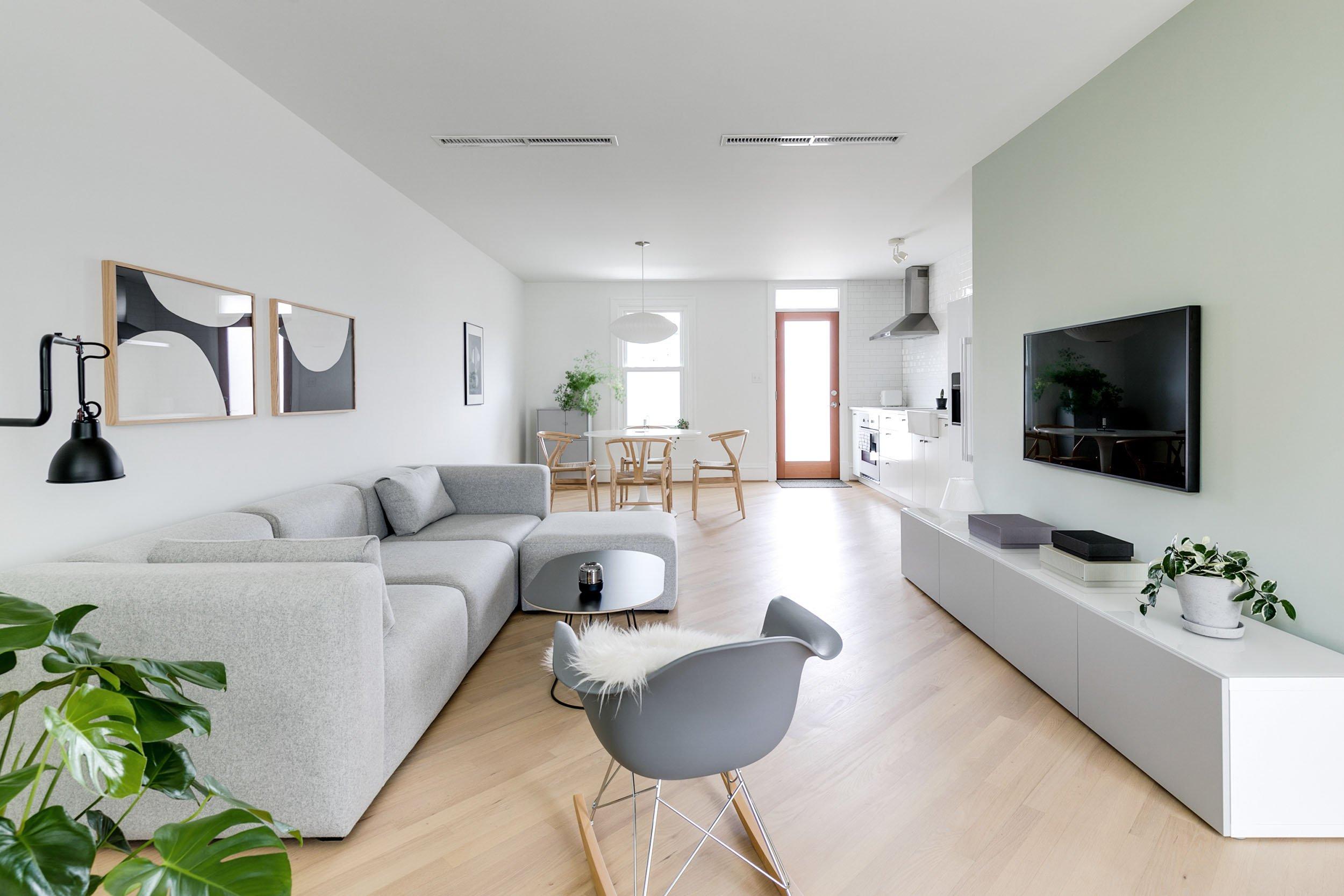
Minimalism fosters innovation in creative spaces by stripping away the superfluous and allowing room for focused thought. A clean, uncluttered environment ignites imagination and enhances productivity, enabling individuals to concentrate on the task at hand without distractions. By emphasizing essential elements, businesses can create an atmosphere that encourages brainstorming and experimentation, leading to fresh ideas and solutions. Key aspects of this philosophy include:
- Clear association: A well-structured space promotes efficiency and ease of collaboration.
- Flexibility: Minimalist designs can be easily adapted to accommodate various team configurations and activities.
- Natural light: Incorporating windows and open spaces can enhance mood and stimulate creativity.
Moreover, a focus on minimalism can drive sustainability initiatives within a business. By reducing unnecessary materials and promoting an efficient use of resources, organizations not only lower costs but also contribute positively to the environment. This alignment with modern consumer values fosters a progressive company image and attracts like-minded clients. A minimalist approach encourages:
| Benefit | Description |
|---|---|
| Cost efficiency | Streamlining resources can significantly decrease operational expenses. |
| Brand differentiation | A clean aesthetic can set a business apart in a cluttered market. |
| Employee satisfaction | A minimalist environment frequently enough leads to improved worker morale and well-being. |
Brand Consistency: building Trust with a Cohesive Aesthetic

In today’s competitive landscape, maintaining a consistent brand identity is essential for earning and retaining consumer trust. A cohesive aesthetic reinforces brand recognition and builds a connection with your audience. When every touchpoint – from your website layout to packaging design, and social media presence – aligns harmoniously, it creates a singular narrative that resonates with customers.consistency is not merely about using the same colors or fonts; it’s about developing an emotional language that speaks to your audience. By adopting a minimalist approach, brands can strip away the unnecessary, allowing their core message to shine through without distraction.
Emphasizing clarity and simplicity can make your brand more approachable and relatable. Consumers often prefer intuitive designs that convey information effortlessly. Here are some key elements to consider for achieving brand consistency:
- Color Palette: Limit your palette to a few complementary shades.
- Typography: Select a pair of fonts that reflect your brand’s voice.
- Imagery Style: Use a consistent style for photos and graphics.
- Messaging Tone: Maintain uniformity in the voice across all platforms.
The impact of this cohesive approach can be visualized in the effective presentation of your brand’s key elements. Consider the following table illustrating the minimalist versus traditional designs:
| Minimalist Design | Traditional Design |
|---|---|
| Focuses on essential elements | Incorporates unnecessary details |
| Encourages quick comprehension | Can overwhelm with information |
| Creates a modern feel | Tends to feel dated |
By embracing minimalism,brands not only establish a visually appealing aesthetic but also forge genuine connections with their audience through a trustworthy and recognizable presence. In this way, simplicity becomes a powerful strategy for success in business design.
Sustainable Practices: How Minimalism Supports Environmental responsibility

Embracing minimalism in business design not only streamlines operations but also aligns with a growing movement towards environmental responsibility. By adopting a minimalist approach, businesses can significantly reduce their ecological footprint through various avenues. For instance, minimizing unnecessary resources leads to:
- Reduced Consumption: Fewer materials used means less extraction and consumption of natural resources.
- Lower Waste Production: Streamlined processes lead to less waste generated, which helps decrease landfill overflow.
- Eco-Friendly Practices: Focused designs often prioritize sustainable materials and production methods, contributing to a healthier planet.
Moreover, minimalism encourages a mindset shift towards thoughtful consumption and efficient use of resources.This shift fosters innovation, pushing businesses to explore sustainable alternatives and practices. by focusing on essential elements and eliminating distractions, organizations can channel their efforts into:
- Energy Efficiency: Implementing technology that reduces energy use during operations.
- Sustainable Supply Chains: Partnering with eco-conscious suppliers to ensure environmentally friendly sourcing.
- Community Engagement: Building connections with local communities to promote sustainability initiatives.
| Practice | Environmental impact |
|---|---|
| Eco-Friendly Materials | Reduces environmental degradation |
| Digital Solutions | Minimizes paper usage |
| Refurbishment Programs | Extends product lifecycle |
Measuring Success: Metrics That Validate Minimalist Strategies in Business

In the world of minimalist business strategies, success is often measured by discerning the right metrics that align with the core philosophy of simplicity and efficiency. Key performance indicators (KPIs) such as customer satisfaction, conversion rates, and cost-per-acquisition are pivotal in validating a streamlined approach.Customer satisfaction can be gauged through feedback and retention rates, revealing how well a minimalist design resonates with users. Conversion rates illustrate not only the effectiveness of a product’s simplicity but also highlight areas for enhancement, ensuring that the focus remains on direct value delivery.Additionally, monitoring cost-per-acquisition allows businesses to evaluate their marketing effectiveness without unnecessary expenditures, reinforcing minimalism’s emphasis on smart resource allocation.
to effectively track these metrics, organizations can establish a structured framework, consolidating data into easily digestible formats.A simplistic table can illustrate the correlation between these KPIs and overall business performance, helping teams focus their efforts where they matter moast. Consider the following structure:
| Metric | goal | Current Status |
|---|---|---|
| Customer Satisfaction | 80% | 75% |
| Conversion Rate | 5% | 4.5% |
| Cost-per-Acquisition | $50 | $45 |
This streamlined approach not only clarifies performance insights but also champions the minimalist philosophy of eliminating excess while empowering focused actions. By prioritizing these essential metrics, businesses can confidently navigate the intricate landscape of minimalist strategies, ensuring clarity in decision-making and ultimately propelling growth.
To Conclude
In a rapidly evolving business landscape, where complexity often overshadows clarity, the principle of minimalism emerges as a guiding light for design and strategy. By stripping away the unnecessary and honing in on what truly matters, organizations can foster environments that prioritize function over frill, simplicity over chaos.
Embracing a minimalist approach in business design is not merely an aesthetic choice; it is a strategic imperative that enhances communication, boosts efficiency, and cultivates a deeper connection with customers. As we navigate the challenges of the modern marketplace, the wisdom of less truly becomes more-a philosophy that not only streamlines processes but also ignites creativity and innovation.
As you consider the implications of minimalism in your own business practices, remember that the journey toward simplicity is one of continuous refinement.In a world filled with noise, may your designs resonate with clarity and purpose, leading you-and those you serve-towards a more fulfilling and effective future. After all,in the realm of business,sometimes it is indeed the simplest solutions that yield the greatest rewards.