A quiet revolution is unfolding at teh intersection of code and community. Where once the internet promised scale and anonymity, a new generation of companies is reweaving digital tools around place-building online services that begin with local needs, local talent and local trust. These are not merely small businesses with websites; they are digital-first operations designed to make neighborhoods, towns and regions the starting point for product design, logistics, and relationships.Local-first digital businesses prioritize proximity in more than geography. They orient data flows, inventory, customer engagement and governance toward nearby stakeholders, blending the responsiveness of a corner shop with the reach of modern platforms. Motivations are varied: consumers seeking shorter delivery times and transparent sourcing, entrepreneurs aiming for resilient supply chains, municipalities looking to keep value circulating in their economies, and technologists exploring architectures that favor edge computing and privacy-preserving practices.
This article traces the contours of that rise. We’ll look at the forces enabling local-first models, the ways they reshape value and trust, and the practical trade-offs they face-between scale and stewardship, efficiency and equity. The result is a portrait of a digital economy that is quietly refocusing on place, asking what it means to be both local and modern in an age of ubiquitous connectivity.
Reimagining Scale With Local First Strategies That Win Community Loyalty
Scale today is less about broadcasting to millions and more about becoming indispensable to thousands - a quiet gravity that holds neighborhoods in place. When a business prioritizes micro-infrastructure (local partners, shared logistics, neighborhood teams) it exchanges brittle, expensive reach for sticky relationships: people don’t just buy a product, they join an ecosystem where reciprocity, relevance and routine replace one-off transactions. That shift rewrites growth math – lifetime value rises as trust multiplies, and community feedback becomes the R&D lab for rapid, low-cost iteration.
Practical moves that make scale feel small and sustainable frequently enough look simple on paper but require intentional design:
- Hyperlocal supply chains that reduce waste and speed delivery
- Neighborhood governance where members co-create offers and events
- Experiance-first pickup hubs that double as social spaces and last-mile nodes
- Referral economies that reward participation over pure spend
| Metric | Local-First Impact |
|---|---|
| Retention | Climbs via neighborhood rituals |
| Acquisition Cost | Falls with organic community referrals |
| Fulfillment Speed | Improves through nearby hubs |
Designing Digital Products for Neighborhood needs with Practical Feedback Loops

When you shape digital tools around a neighborhood’s rhythms, small design choices become powerful civic gestures. prioritize listening before building: lightweight prototypes and street-level testing convert assumptions into actionable fixes.Seed trust by closing the loop-show residents how their input changes the product-and design feedback to be frictionless, local and timely. practical methods that work in tight-knit places include:
- Micro-surveys after key tasks
- Pop-up co-design sessions at community hubs
- Neighborhood moderators for voice synthesis
- Rapid in-app A/Bs with visible changelogs
Measure what matters to both users and the place: usage signals that imply behavior, and qualitative notes that explain motivation. Use simple governance rules so adjustments are transparent and accountable, and treat every iteration as a civic report-back.Below is a compact monitoring cheat-sheet teams can use to keep feedback loops tight and local:
| Signal | Frequency | Action |
|---|---|---|
| Task completion | Daily | Swift tweak |
| Sentiment comments | Weekly | Community review |
| Drop-off points | Real-time | Hotfix |
Keep the loop visible: publish short changelogs and attribute ideas to contributors so the neighborhood sees progress and knows its voice matters.
Monetization Models That Respect Local Markets and Strengthen Recurring Revenue
Design monetization around the rhythms of each community: instead of one-size-fits-all price tags, think in local currencies, seasonal bundles and value ladders that mirror everyday spending. Bold experiments pay off - for example, a micro-subscription that costs less than a cup of coffee in a given town, or a revenue share with neighborhood shops that promotes cross-sales. Practical levers include:
- Localized pricing tied to purchasing power and payment rails
- Flexible terms (daily, weekly, micro-billing) to reduce friction
- Partnership bundles with local services to create mutual loyalty
To strengthen recurring revenue while staying respectful, map product tiers to tangible local benefits and test small, iterative offers rather than grand rewrites.A compact pricing snapshot can definitely help align teams and partners quickly:
| Tier | Avg Local Price | Community Benefit |
|---|---|---|
| Starter | $1-$3 | SMS updates & local offers |
| Essential | $5-$10 | Priority bookings & merchant credits |
| Champion | $15+ | Shared revenue with neighborhood partners |
Complement these packages with simple retention tactics:
- Loyalty credits that convert to local goods
- Community memberships that unlock events and promos
- Usage-based add-ons so customers only pay for what they need
Operational Playbooks for building Lean Hyperlocal Teams and Sustainable Supply Chains
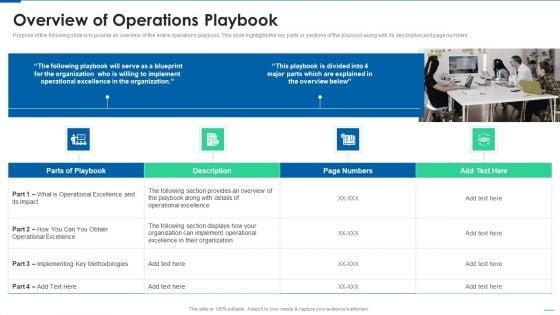
Operational playbooks should feel less like rigid rulebooks and more like a chef’s mise en place - simple, repeatable, and tuned for speed. Build templates for day-to-day rhythms: a shift handover checklist, a compact SOP for batch-picking, and a light governance ladder that clarifies who escalates what and when. Keep teams hyperlocal by recruiting for adjacent skills and designing roles that flex across customer service, packing, and delivery; this reduces idle hours and fosters ownership. Use small, reusable experiments – 48-hour tests, clear success criteria, and an immediate rollback plan – so your playbook evolves from data, not opinion.
Practical tactics belong in one place so anyone can run the operation for a day; include training micro-modules,vendor scorecards,and a simple incident log. Below is a compact snapshot you can paste into your playbook as a starting checkpoint:
| Tactic | Metric | 30-day Target |
|---|---|---|
| Micro-fulfillment lanes | Average lead time | < 2 hrs |
| Cross-trained staff | utilization | ≥ 85% |
| Local sourcing | CO₂ per order | -20% |
| Reverse logistics | Return rate | < 3% |
- Standardize communication threads for quick troubleshooting.
- Automate only where complexity outweighs variability.
- Measure outcomes that matter to both margin and community impact.
Data Ethics and Privacy Practices for Trustworthy Local Engagement
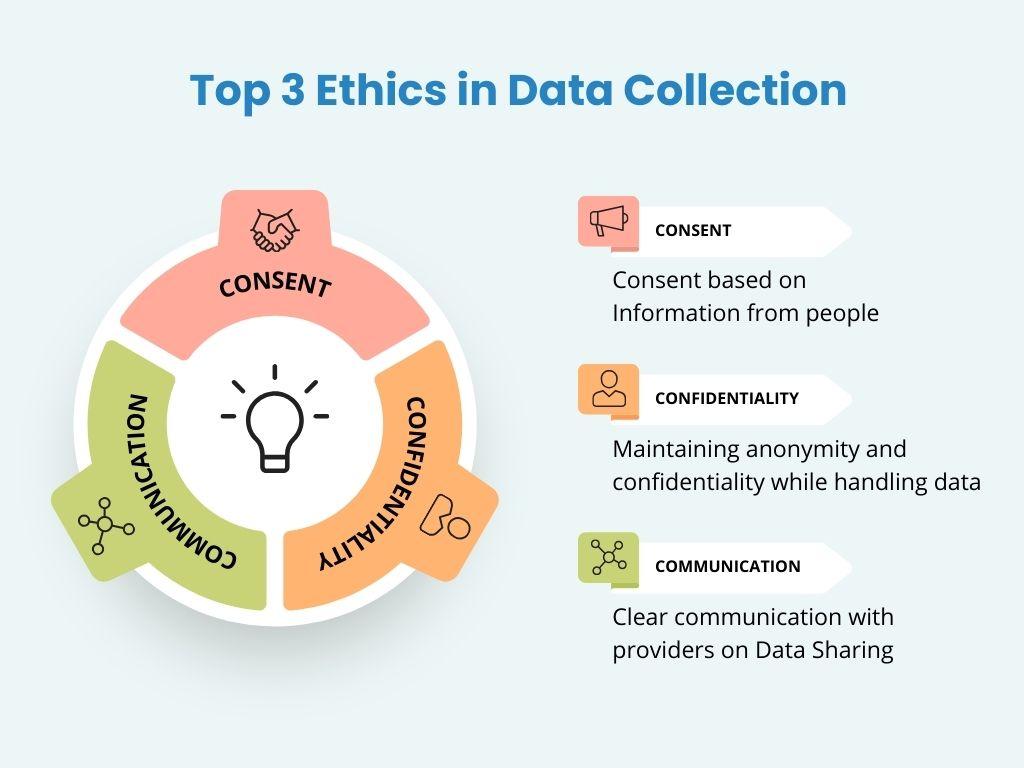
Design choices shape trust: treat community data as something to protect and return value to, not to monetize by default. Embrace minimal collection, local-first storage, and plain-language consent so neighbors understand what is gathered and why. Practical habits make this real:
- Collect only what enables the local service
- Store and process on-device or on community servers
- Offer clear consent flows and simple opt-outs
- enable data portability and deletion on request
- Invite community oversight and feedback
These steps reduce risk, align incentives with local well-being, and make privacy a feature rather than a barrier to adoption.
Operationalizing ethics means creating measurable, enforceable practices-training staff, performing audits, and naming responsible stewards so someone is accountable for data decisions. embed privacy by design, strong encryption, and short retention windows to limit exposure; these technical controls paired with transparent policies build sustained local confidence. Accountability can be summarized in a few concrete commitments:
| commitment | Default |
|---|---|
| Audit cadence | quarterly |
| Encryption | AES-256 at rest |
| Retention | 30 days (unless consented) |
Showcasing these commitments publicly turns policy into proof points, strengthening trust between the business and the place it serves.
Measuring Impact and Growth With Community Centric KPIs and Iteration Plans
Center impact around people, not pages. Track signals that reflect how the local community experiences your product: depth of interactions,repeat participation,and the speed at which members bring others in. Instead of vanity metrics, prioritize measures like cohort retention, meaningful action rate, and referral velocity to understand whether your service is becoming an embedded part of daily local routines. Use these KPIs to tell a story - which neighborhoods are activating, which programs spark conversations, and where small tweaks translate into disproportionate social value.
- Cohort Retention: percent alive after 30/90 days
- Meaningful Action Rate: actions per active user that move the community forward
- Referral Velocity: new signups driven by existing members
Turn signals into a rhythmic plan for enhancement. Build short iteration cycles around community feedback: test a micro-feature, surface results publicly, and fold learnings into the roadmap. Maintain an experiment backlog with clear hypotheses, owners, and success thresholds so every test either scales or stops quickly. This approach keeps growth local-first – small experiments optimized for neighborhood realities rather than one-size-fits-all hacks.
- Weekly check-ins: review experiments and member feedback
- Public roadmaps: invite community prioritization
- Fail-fast criteria: pre-defined stop/go triggers
| KPI | Target | Cadence |
|---|---|---|
| Engagement Depth | +20% actions/user | Bi-weekly |
| Cohort Retention | 60% @90 days | Monthly |
| Referral Velocity | 1.5x viral lift | Quarterly |
Concluding Remarks
The rise of local-first digital businesses feels less like a tech revolution and more like a reweaving of the digital fabric-threads of global connectivity stitched into the familiar patterns of neighborhood life. These ventures blend code with context: they optimize for proximity, relationships and place-based value as much as for scale and speed. That balance creates opportunities for resilience, trust and sustainability, while also posing practical questions about access, investment and policy.
Seen from any angle-consumer, founder or planner-the movement is neither a panacea nor a passing trend. It is indeed a pragmatic experiment in redesigning how digital tools serve communities, shaped by local priorities and the limits of existing systems. in the months and years ahead, the success of local-first businesses will hinge on how well ecosystems can support them-through infrastructure, regulation and a willingness to center place as a strategic asset.
if the aim is a more distributed, humane digital economy, local-first models offer a promising compass: not a guarantee, but a direction worth following and refining.