

Every great product began as an idea pressed into the world with whatever resources its creator could muster. Launching without a war chest doesn’t mean waiting for permission - it means designing intentionally, iterating quickly, and turning constraints into the scaffold of your strategy. this blueprint is for builders who prefer scrappiness to spreadsheets and momentum to subsidies.
In the pages ahead you’ll find a practical map: how to validate demand before you spend, build minimum viable versions that teach you more than polished prototypes ever will, leverage community and partnerships rather of capital, and structure early sales and feedback loops that fund growth. Rather than a recipe for overnight success, it’s a toolkit for methodical progress – small bets that compound into a viable product.
If you want to move from idea to launch without relying on investors, grants, or savings, this article lays out the mindset, tactics, and workflows that make it possible. Read on to convert constraints into advantages and to build a product that earns its future one validated step at a time.
Identify the smallest viable customer problem and design a single feature offer to validate demand
Start by stripping everything back to a single, tangible pain that a real person experiences today – not a future feature set or aspirational market. Run five lightning interviews,skim support threads,and watch customers complete a core task; the smallest viable problem is the step that frustrates them most often. Frame that step as a testable hypothesis, then write a one-sentence problem statement.Look for thes quick signals that you’ve found a true problem:
- Repeated phrases in customer language (copy-ready quotes)
- Workarounds or manual hacks people accept as “good enough”
- Willingness to swap time or money to avoid the pain
Once identified,convert the pain into a single-feature offer that validates demand: a minimal flow that either saves the user time,reduces a clear friction,or delivers a measurable outcome. Build a focused landing page or a pre-order form for that one feature, price it simply, and promise one clear result – then measure conversion, qualitative feedback, and repeat intent. Use the following mini-metrics table to decide whether to iterate, pivot, or scale:
| Signal | Threshold | decision |
|---|---|---|
| landing conversion | ≥ 3% (cold traffic) | Keep & optimize |
| Pre-orders / paid trials | ≥ 10 purchases | Build flow |
| Qual feedback | Consistent requests | Refine value prop |
Create a high impact prototype using free tools and real customer feedback loops
Start with the smallest imaginable version of value and build with the tools that cost nothing but your time.Sketch flows in Figma or Canva, stitch data in Airtable or Google Sheets, and wrap a clickable shell with Glide or Webflow’s free tier to make something touchable within days. focus on three verbs: Ship quickly, Test with real people, and Learn fast.Simple rituals that accelerate clarity:
- Prototype pages in Figma → share a link for first reactions
- Use Typeform or Google Forms for targeted micro-surveys
- Automate basic workflows with Zapier free tasks or Make.com
The aim is to prove demand,not polish the UI: every click,comment,and confusion is a feature request or a rejection that refines your roadmap.
Turn prototypes into a rapid feedback engine by designing a repeatable loop: recruit 10-20 users, observe them complete one key task, record their struggles, and iterate overnight.Keep metrics tiny and meaningful-time-to-complete, task success, and one verbatim quote per session-and combine them with qualitative follow-ups to surface motivations. The table below is a compact playbook you can copy for the first two weeks:
| Touchpoint | Tool | Outcome |
|---|---|---|
| Clickable prototype | Figma / Glide | Observe first-use friction |
| Micro-survey | Typeform / Google Forms | measure interest & priorities |
| Follow-up interview | Zoom / Loom | Capture motivations and language |
Keep each loop short, document one clear change per cycle, and use the language customers give you-those exact words become the most persuasive copy when you launch.
Acquire first buyers with concierge selling community partnerships and guerrilla outreach

Start small, personal, and unforgettable. Offer a white‑glove experience to a handful of handpicked prospects: in‑person demos, one‑on‑one onboarding, or a tailored pilot that solves a single pain point. lean into local groups and niche communities where early adopters already gather – co‑host a meetup, trade value with a community leader, or bundle your product into a partner’s event. These relationships turn strangers into advocates quickly because you’re not selling to a crowd, you’re solving for a person.
- White‑glove trials – invite 10 users for personalized walkthroughs.
- Micro partnerships – exchange content, demos, or discounts with a local buisness or group.
- Community co‑creation – let early users shape a tiny feature and publicize the result.
Mix those soft, high‑touch tactics with street‑smart outreach that grabs attention without a big budget. Pop‑ups, QR‑enabled stickers in relevant neighborhoods, and coffee‑shop demos create low‑cost buzz and fast feedback loops. Convert curiosity into revenue by pairing each stunt with an irresistible, time‑limited offer and a human follow‑up - a quick call, a handwritten note, or a demo video tailored to the person who responded.
| Tactic | setup | Quick Win |
|---|---|---|
| Coffee‑shop demo | 2 hours | Signups + 1 sale |
| Sticker QR drop | 1 hour | Tracked clicks |
| Mini pop‑up | Half day | Direct feedback |
Validate pricing with pre orders limited launches and tiered micro commitment experiments

Start small and ask people to put money down before you build the whole thing – a handful of pre-orders or a limited-run launch does more than raise a few bucks: it tests real willingness to pay and creates a clean signal you can act on.Use short, time-boxed offers to force decisions, then watch which price points stick. Pre-orders give you validation and runway; limited launches create urgency; and tiny, tiered commitments let you learn without committing to a full-scale product. try combinations like these to see what resonates:
- Micro-deposit: $5 refundable reservation – tests interest
- Early-bird: 30% off for first 100 – tests price elasticity
- Beta access: $29 for feedback loop – tests value perception
- Founders bundle: $99 limited edition – tests premium demand
run short experiments,measure the right signals,and iterate quickly – conversion at each tier,refund rate,engagement from early buyers and qualitative feedback are your north star metrics. Below is a compact cheat-sheet to design a micro-commitment experiment; use it to pick a hypothesis, a price tier, and the minimal fulfillment that lets you validate without a full build. Focus on conversion, retention and feedback quality; if the numbers move, double down and scale the offer, if not, tweak price, positioning or scarcity and rerun.
| Tier | Commitment | Validation Signal |
|---|---|---|
| $5 reservation | 50+ signups in 7 days | |
| Early | $29 beta access | 30% convert, 70% active testers |
| Founders | $99 limited | Sellout or strong pre-order velocity |
Streamline operations by automating workflows leveraging affordable vendors and no code tools
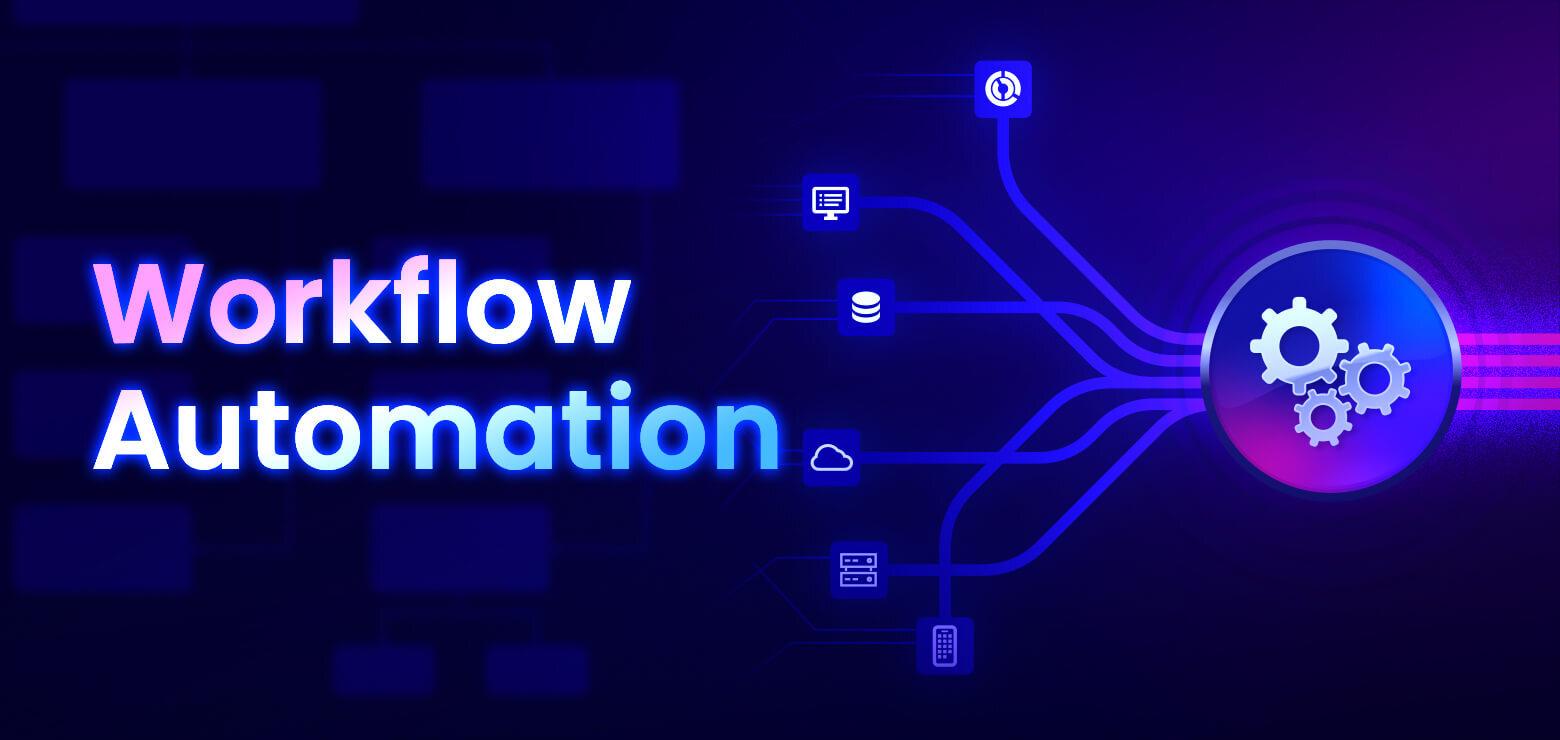
Think of your operational backbone as a LEGO set: small, interchangeable pieces assembled into repeatable processes.Start by mapping the handoffs that cost time – customer intake,quoting,delivery,follow-up - then replace manual steps with simple automations. Use low-cost partners for specialized tasks (like bookkeeping or customer support) and no-code platforms to stitch them together. This lets you launch faster, reduce human error, and keep cash flow healthy while you iterate the product-market fit.
- Automation hubs: Zapier, Make (Integromat), Pabbly
- Data & ops: Airtable, Google Sheets, Notion
- Forms & signups: Typeform, JotForm, Paperform
- Payments & contracts: Stripe, Gumroad, hellosign
- Affordable talent: Upwork, Fiverr, specialized micro-agencies
Build in observability and rollback from day one: simple dashboards, automated alerts, and a central log of workflow runs will keep you confident when scaling. Create reusable templates for onboarding, invoices, and support responses so new vendors or tools slide into place without reworking the whole stack.Below is a tiny operational sprint plan to guide an initial automation push - lean, measurable, and designed to preserve runway.
| Phase | Deliverable | Typical Budget |
|---|---|---|
| Week 1 | Process map + Quick automations | $0-$50 |
| Week 2 | Vendor integration + templates | $50-$200 |
| Week 3 | Monitoring + iterate | $0-$100 |
Reinvest early revenue into measured growth using unit economics and customer driven expansion
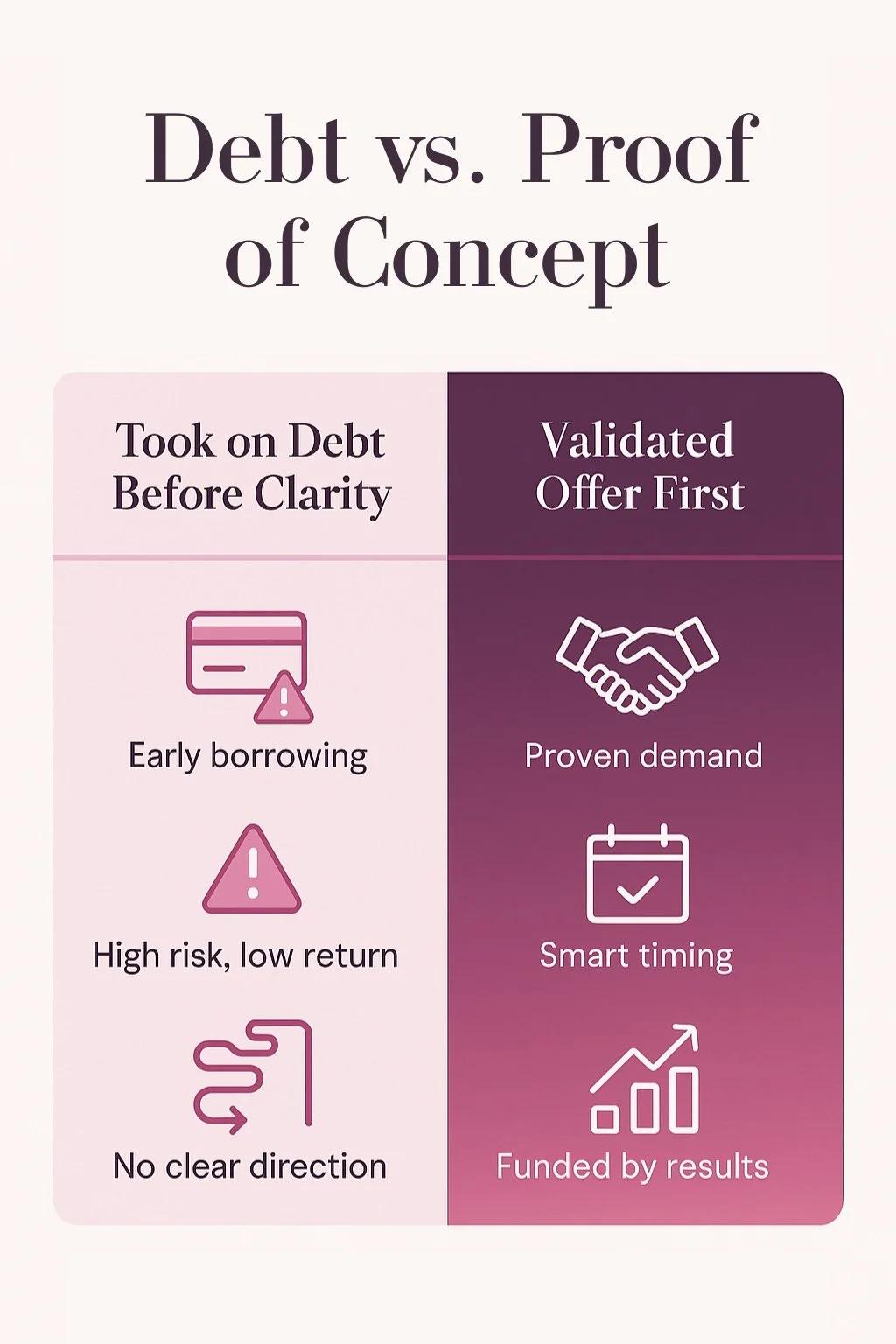
Think of early revenue as both fuel and a feedback loop: it pays for experiments that tighten your unit economics and proves which growth levers scale without outside capital. Reinvest deliberately-prioritize initiatives that shorten the payback period and raise LTV while keeping CAC contained.Small, measured plays frequently enough outperform big gambles: A/B test onboarding flows, optimize pricing for top cohorts, and invest in product improvements that convert free users into paid ones.Practical levers to redeploy earnings into growth include:
- Onboarding optimization – reduce time-to-first-value to lift conversion.
- Micro-marketing experiments – scale channels that break even within one customer lifetime.
- Product fixes - patch churn drivers that erode LTV.
Let your customers pay for expansion: treat every sale as a marketing channel-happy users bring referrals, case studies, and scalable expansions inside accounts. Use revenue to fund customer success that turns pilots into enterprise rollouts, and deploy incentives that encourage usage-based upgrades or multi-seat purchases. Track a short set of signals and iterate: NPS,expansion MRR,and churn. A quick unit-economics snapshot can guide decisions – reinvest where payback is fastest and expansion velocity is highest:
| Metric | Current | Target |
|---|---|---|
| Customer Acquisition Cost | $100 | $75 |
| Lifetime Value | $600 | $900 |
| Payback (months) | 6 | 3 |
| gross Margin | 60% | 70% |
Closing Remarks
A blueprint without a workbench is just a drawing on paper. The real advantage of launching without outside capital is that you must turn strategy into small, measurable steps-validate an idea quickly, build the smallest viable product, trade time for traction, and reinvest early returns into refinement. Resourcefulness, clear prioritization, and feedback loops become the capital that keeps the project moving.
This approach rewards iteration over perfection, collaboration over isolation, and discipline over grand plans. Whether you lean on presales, partnerships, community-building, or clever use of existing platforms, the common thread is thoughtful experiments that reduce risk and reveal what customers actually value.
So fold this blueprint into your routine: pick one micro-experiment, set a simple metric, run it, learn, and repeat. Over time those steady, purposeful steps add up-more reliably than a single round of funding ever could.