


In a world where teh workforce is evolving at a dizzying pace, Generation Z has emerged as a dynamic force reshaping the landscape of employment. Born between the mid-1990s and early 2010s, this cohort brings with it a distinct set of values, expectations, and aspirations that demand the attention of employers seeking to attract and retain top talent. As they enter the job market, Gen Z is not just looking for a paycheck; they seek purpose, authenticity, and a deep sense of belonging in the workplace. understanding what this generation desires is crucial for organizations aiming to foster an environment that resonates with their ambitions. So,what exactly does Gen Z want from their employers,and how can companies rise to meet these expectations? In this article,we will explore the core aspirations of gen Z and outline actionable strategies for employers to create a workplace culture that truly engages and empowers the leaders of tomorrow.
Understanding the Values that Drive Gen Z’s Career Choices
As the first generation to grow up with technology deeply ingrained in their daily lives, Gen Z prioritizes authenticity and transparency in the workplace. Their career choices are heavily influenced by values that resonate not only with their personal beliefs but also with broader societal issues. They seek employers who are committed to social responsibility and environmental sustainability. In fact,they often analyze a company’s track record in these areas before deciding where to apply. Here are key values that guide their career decisions:
- Inclusivity: A workplace culture that embraces diversity and promotes equity.
- Work-Life Balance: Opportunities for flexible hours and remote work options.
- Career Progress: Commitment to ongoing training and mentorship programs.
- Impact: Roles that contribute to meaningful change socially or environmentally.
To attract and retain this dynamic workforce,employers must align their values with those of Gen Z. This means creating an environment where feedback and open dialog are encouraged. Moreover, companies that demonstrate a genuine investment in employee well-being and social issues are more likely to build loyalty among Gen Z employees. The table below illustrates essential workplace features that can help resonate with this generation:
| Essential Workplace Features | Gen Z Appeal |
|---|---|
| Inclusive Policies | Fosters a sense of belonging |
| Flexible Work Arrangements | Supports personal lifestyles |
| Environmental Initiatives | Aligns with their values |
| Professional Growth Opportunities | Encourages long-term commitment |
The Importance of Workplace Flexibility and Remote Options
In today’s rapidly evolving corporate landscape, embracing adaptability in the workplace has become a key factor influencing employee satisfaction and engagement, particularly among the younger cohort known as Gen Z. This generation prioritizes a healthy work-life balance, understanding that flexibility can significantly enhance productivity and morale. Companies seeking to attract and retain top talent should consider offering:
- Flexible working hours: Allow employees to set their schedules, accommodating personal responsibilities and peak productivity times.
- Remote work options: Implement policies that enable team members to work from home or any location of their choosing, fostering a sense of autonomy.
- Hybrid models: Blend in-office and remote work to create a dynamic environment that caters to diverse preferences.
Employers who recognize the importance of incorporating these elements into their work culture not only appeal to Gen Z’s preferences but also enhance overall team performance. By offering flexibility,organizations can cultivate a positive atmosphere that emphasizes trust and accountability. Here’s a simple overview highlighting how different aspects of flexibility can benefit both employees and employers:
| Flexibility Aspect | Employee Benefits | Employer Advantages |
|---|---|---|
| Flexible Hours | Promotes work-life balance | Increases employee satisfaction and retention |
| Remote Work | Reduces commute stress | Wider talent pool access |
| Hybrid Models | Customizable work environments | Boosts collaboration and innovation |
Establishing a Culture of Inclusivity and Diversity

Creating a workplace where diversity and inclusivity thrive is essential for attracting and retaining Gen Z talent. this generation highly values environments where everyone feels respected and valued, regardless of their background. To foster such a culture, organizations must take proactive steps, including:
- Implementing diversity training programs that educate employees about unconscious bias and promote understanding.
- Establishing mentorship initiatives that connect underrepresented individuals with leaders within the organization.
- Encouraging employee resource groups and safe spaces that empower marginalized voices and facilitate open dialogues.
Furthermore, to ensure that these initiatives are effective, companies should regularly assess their workplace culture through employee feedback and engagement surveys. Maintaining transparency about progress, setting measurable diversity goals, and celebrating achievements will not only benefit morale but also enhance the organization’s reputation. below is a simple table that outlines the potential advantages of embracing a diverse workplace:
| Advantage | Description |
|---|---|
| Innovation | Diverse perspectives lead to creative solutions and fresh ideas. |
| Employee Satisfaction | A welcoming environment increases overall employee happiness and loyalty. |
| Market Reach | A diverse workforce can better understand and meet the needs of a varied customer base. |
Emphasizing Mental Health and Well-being Support
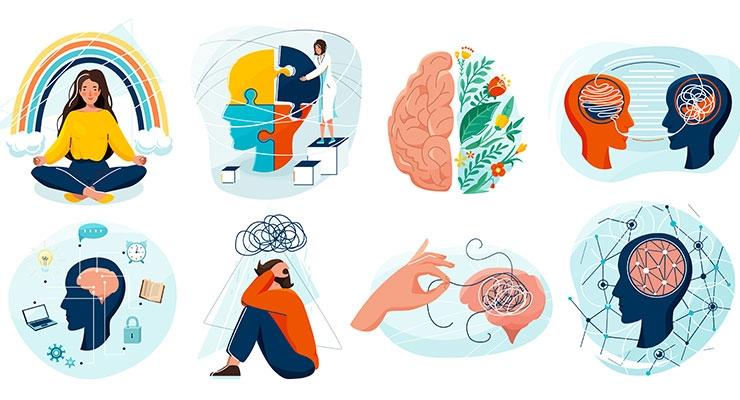
As the workforce continues to evolve, the emphasis on mental health and well-being in the workplace has never been more critical. Employers need to create a culture where employees feel safe to express their mental health needs. Key aspects that can enhance this supportive environment include:
- Flexible work schedules that allow for better work-life balance
- Access to mental health resources, such as counseling services or therapy apps
- Regular mental health day policies to encourage time off when necessary
- Workshops focusing on stress management and resilience building
To further substantiate their commitment, organizations can integrate mental health initiatives into their policies and practices. Consider implementing a structured approach by showcasing your mental health efforts through:
| Initiative | description | Benefits |
|---|---|---|
| Employee Assistance Programs | Confidential support for personal and work-related issues | Improved morale and productivity |
| Mental Health Awareness Training | Training for employees and managers on mental health first aid | Increased empathy and support within teams |
| Peer Support Groups | Facilitated groups for sharing experiences and coping strategies | Enhanced community and belonging |
Opportunities for Growth and Development in the Workplace
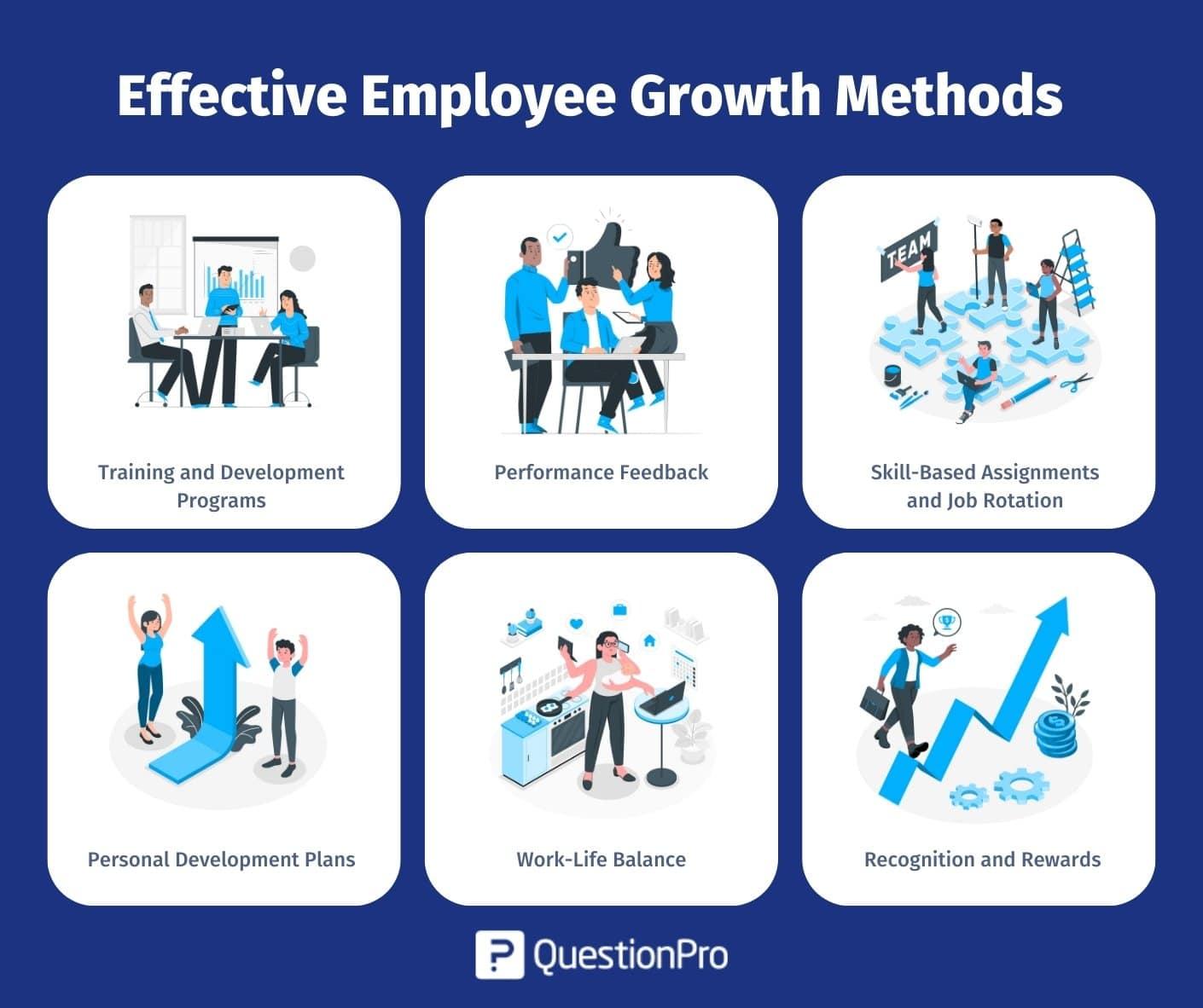
For a generation that has grown up with rapid technological advancements and evolving workplace dynamics, opportunities for growth and development are not just perks; they are essential. Employers should prioritize initiatives that foster personal and professional advancements, which can take many forms, such as:
- Mentorship Programs: Establish structured mentorship relationships to guide and inspire employees through their career journeys.
- Continuous Learning: offer access to online courses, workshops, and seminars that encourage skills enhancement and career development.
- Networking Opportunities: Create platforms for employees to connect with industry leaders and peers to leverage collaborative growth.
- Feedback Mechanisms: Implement regular feedback sessions that focus on personal and professional goals, ensuring that employees feel supported in their growth.
Employers that genuinely invest in the growth trajectories of their team members can create a thriving culture of innovation and loyalty. A simple yet effective strategy is to establish career paths that outline potential trajectories within the organization. This can be achieved through:
| Career Stage | Key Development Focus | Suggested Actions |
|---|---|---|
| Entry-Level | Skill Acquisition | workshops, Online Courses |
| Mid-Level | Leadership Training | Mentorship, Development Programs |
| Senior-Level | Strategic Insight | executive Coaching, Networking Events |
By clearly defining expectations and support mechanisms at each stage, organizations can empower Gen Z employees to pursue their growth ambitions actively, resulting in a more engaged and productive workforce.
The Role of Technology in Enhancing Employee Engagement

In today’s dynamic work environment, technology plays a pivotal role in fostering employee engagement, particularly among generation Z employees who value connectivity and transparency. By leveraging innovative tools and platforms, employers can create a more inclusive and connected workplace. This includes the use of real-time communication tools, project management software, and feedback platforms, which allow for seamless collaboration and instant recognition of employee contributions. Some of the significant ways technology enhances engagement include:
- Streamlined Communication: Instant messaging apps and video conferencing tools promote open dialogue and collaboration.
- Personalized Learning Opportunities: E-learning platforms enable tailored development experiences that cater to individual career aspirations.
- Data-Driven Insights: HR analytics tools provide crucial insights into employee satisfaction and engagement levels, allowing for timely interventions.
Employers who utilize technology to enhance employee engagement are not only improving job satisfaction but also expanding their talent pool by becoming more attractive to job seekers. By introducing flexible working applications and integrated platforms for employee feedback and recognition, organizations can foster a culture of appreciation and support.the following table summarizes the key technologies that employers can adopt to maximize employee engagement:
| technology | Purpose |
|---|---|
| Collaboration Tools | Facilitate teamwork and enhance communication. |
| Feedback Software | Gather and act on employee insights and performance. |
| Learning Management Systems | provide personalized training and development resources. |
Creating a Purpose-Driven Environment That Resonates with Gen Z

to attract and retain Gen Z talent, employers must foster a workplace that champions purpose and authenticity.This generation prioritizes companies with a strong mission that goes beyond profit. Organizations should clarify their values and engage employees in initiatives that reflect their social and environmental commitments. By promoting sustainability and community involvement, employers can create a vibrant culture that resonates with this demographic. Consider implementing policies and practices that encourage volunteerism and environmental stewardship, allowing employees to contribute to causes they are passionate about.
Furthermore, a transparent communication style is essential for cultivating trust and inclusion. Employers should establish open channels for feedback and actively listen to their employees’ needs and ideas. By creating a collaborative environment,businesses can empower Gen Z to take part in shaping the company’s direction. Regularly hosting brainstorming sessions or workshops can foster innovation and demonstrate that management values input from all levels. In doing so, employers not only enhance the work environment but also build a sense of belonging that is crucial to employee satisfaction and retention.
Future Outlook
As we stand at the intersection of generational evolution and workplace transformation, it’s evident that Gen Z is not just stepping into the workforce; they’re reshaping it. This vibrant cohort brings with it a fresh perspective on what it means to work, highlighting essential values such as authenticity, inclusivity, and meaningful engagement. By understanding and embracing these desires, employers have an unprecedented opportunity to foster a dynamic environment that not only attracts top talent but also drives innovation and growth.In a world where passion frequently enough supersedes paycheck, the key to connecting with Gen Z lies in genuine effort and adaptability. From creating flexible work structures and prioritizing mental health to championing social responsibility, organizations that align their practices with the aspirations of this generation will not only succeed in recruiting top talent but will also cultivate loyalty and commitment.Ultimately,meeting the expectations of Gen Z is not just about checking boxes—it’s about creating a culture that values shared purpose and collaboration. As we move forward, let us remember that the best workplaces of the future will be those that listen, learn, and evolve alongside the needs of their employees. With this knowledge in hand,the path to forging strong intergenerational bonds within the workforce becomes a shared journey,rich with possibilities for all.