



In the bustling world of entrepreneurship,where innovation and ambition collide,small businesses frequently enough serve as the lifeblood of local economies. They are the corner cafés, the artisan boutiques, and the family-run service providers that give communities their unique flavor. Yet, beneath the surface of this vibrant tapestry lies a lurking danger: a financial misstep that is quietly dismantling the dreams of countless entrepreneurs.As small business owners navigate the complex landscape of finances, many unknowingly fall prey to a critical error that not only jeopardizes their operations but also threatens their very survival. In this article, we will unravel the intricacies of this pervasive financial mistake, exploring its implications and offering insights to help safeguard the future of small enterprises everywhere.
understanding the cost of Ignoring Cash flow Management

Ignoring cash flow management can be likened to sailing a ship without a compass; you might be moving, but you have no clear direction, which can ultimately lead to disaster. A small business without proper cash flow oversight may face several critical challenges, including:
- Inability to Pay Bills: Late payments can incur additional fees and interest, further straining resources.
- Limited Growth Opportunities: When cash flow is tight, businesses miss out on timely investments or sales that could lead to expansion.
- Increased Stress: Uncertainty about finances creates an uncomfortable work environment for owners and staff alike.
In many cases, the result of neglecting this essential aspect of business management is not immediately visible, leading owners to underestimate its importance. Sadly, this can culminate in a range of negative outcomes, such as:
| Consequences | Potential Impact |
|---|---|
| Overdraft Fees | Depleted funds and added costs |
| Missed Payment Deadlines | Damaged supplier relationships |
| Reduced Creditworthiness | Higher interest rates on loans |
Identifying the Signs of Financial misalignment in Small Enterprises

Recognizing when a business is financially out of sync is crucial to its survival. Common indicators of this misalignment frequently enough include:
- Inconsistent Cash Flow: Fluctuations in cash inflow and outflow can signal underlying issues, such as poor sales management or excess operational costs.
- Mounting Debt: If a business relies heavily on loans and credit to sustain daily operations, it may be time to reassess spending habits and profitability.
- Delayed Payments: Consistent delays in paying suppliers or employees can reflect a lack of financial planning or cash reserves.
- Unrealistic pricing Strategies: Setting prices too low due to competitive pressure can undermine profit margins and lead to unsustainable business practices.
Moreover, a deep dive into financial statements may reveal hidden concerns, such as:
| Indicator | Potential Issue | Recommended Action |
|---|---|---|
| Low Profit Margins | Pricing inefficiencies | Review cost structure and pricing strategy |
| High Inventory Levels | Overstocking | Implement inventory management techniques |
| Negative Net Income | Unsustainable operations | Analyze and cut unnecessary expenses |
The Ripple Effect of Overlooking Budgeting Practices
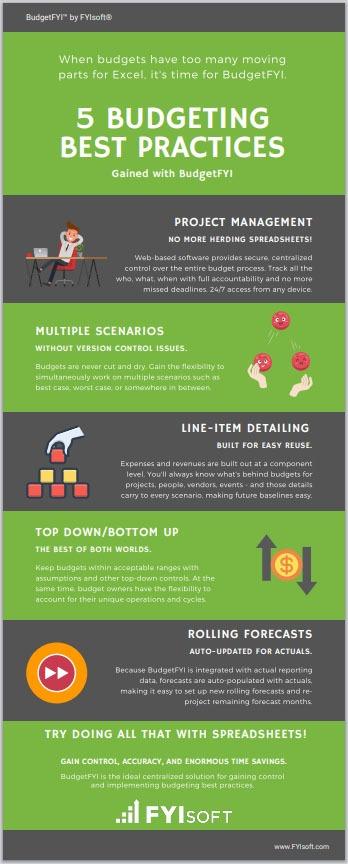
Ignoring sound budgeting practices can create a domino effect that affects every aspect of a small business. Cash flow issues often arise when a company operates without a clear financial roadmap, leading to missed opportunities. Over time, this negligence can contribute to:
- Increased Debt: Businesses may find themselves relying on loans or credit to cover operational costs.
- Employee Morale Drops: Budget cuts can result in layoffs or salary reductions, hampering workplace culture.
- Missed Growth Opportunities: Without proper forecasting, businesses may miss out on beneficial investments.
The consequences extend beyond immediate financial strain. Customer experiences can deteriorate when businesses cut corners due to budgetary constraints, possibly leading to a loss of loyal clientele. furthermore, the failure to allocate funds for marketing or innovation can cause a business to stagnate, unable to compete in its market. A simple oversight in budgeting can therefore spiral into a larger crisis, derailing previously stable operations.
| Impact of Poor budgeting | Short-term Effects | Long-term Consequences |
|---|---|---|
| Cash Flow Problems | Inability to pay bills | Bankruptcy risk |
| Employee Retention | Higher turnover | Cultural degradation |
| Market Position | Loss of customers | Decreased competitiveness |
strategic Financial Planning: A Lifeline for Small Business Survival
In an ever-shifting economic landscape, small businesses often find themselves navigating a maze of financial challenges. One of the most critical aspects of sustaining a small enterprise is the implementation of a robust financial strategy. By aligning financial goals wiht operational realities, owners can not only mitigate risks but also seize growth opportunities. Key components of strategic financial planning include:
- Cash Flow Management: Ensure consistent cash flow by forecasting and monitoring income and expenses.
- Budgeting: Create a realistic budget that accounts for fixed and variable costs, enabling better financial control.
- Risk Assessment: Identify potential financial pitfalls and develop contingency plans to address them.
Moreover, small businesses should focus on long-term financial health rather than short-term gains. Initiatives like diversifying revenue streams or investing in employee training can yield ample dividends over time. Regular financial review sessions can help track progress against goals, making adjustments as needed to stay on the path of sustainability. Consider the following table as a guide for evaluating your financial strategies:
| Strategy | Potential Benefit |
|---|---|
| Emergency Fund | Mitigate risks from unforeseen expenses |
| Investment in Technology | Enhance operational efficiency and customer service |
| Regular Financial Audits | Maintain compliance and improve financial accuracy |
Leveraging Technology to Enhance financial Oversight

In today’s fast-paced business environment, small businesses must adopt innovative tools that enable effective monitoring of their financial health. Digital solutions provide an unprecedented opportunity to streamline financial oversight. By utilizing cloud-based accounting software, companies can easily manage their finances, track expenses, and generate real-time reports. These tools allow for efficient collaboration among team members and can significantly reduce the risk of errors associated with manual bookkeeping. Key features such as automated invoicing, expense tracking, and reconciliation ensure that financial facts is accurate and up-to-date.
Moreover,integrating financial management systems with business intelligence tools can turn raw data into actionable insights. By leveraging advanced analytics, small businesses can forecast cash flow, identify spending patterns, and unearth opportunities for cost savings. Automation of financial processes not only saves time but also enhances decision-making capabilities. The following are essential components of a tech-savvy financial oversight strategy:
- Real-time Reporting: Gain immediate insights into financial performance.
- Data security: Protect sensitive financial information with robust security measures.
- Scalability: Choose solutions that grow with your business needs.
Building a Resilient Financial Foundation for Sustainable Growth
many small businesses face a harsh reality: a fragile financial foundation can jeopardize their survival. When entrepreneurs prioritize short-term gains over long-term stability, they risk stagnant growth and increased vulnerability to economic fluctuations. To safeguard their future, business owners should focus on creating robust financial strategies that incorporate the following essential elements:
- Emergency Fund: Set aside resources to handle unexpected expenses or downturns.
- Diversified Revenue streams: Explore multiple income sources to minimize dependency on a single client or product.
- Regular Financial Reviews: Evaluate financial health regularly to identify areas for improvement and track progress.
Moreover, understanding cash flow management is crucial for sustainable growth. A clear grasp of cash inflow and outflow ensures that businesses can meet their obligations while investing in future opportunities. Consider this simplified cash flow comparison:
| Month | Cash Inflow | Cash Outflow | net Cash Flow |
|---|---|---|---|
| January | $10,000 | $7,000 | $3,000 |
| February | $15,000 | $12,000 | $3,000 |
| March | $20,000 | $18,000 | $2,000 |
by analyzing this data, business owners can pinpoint trends, adjust budgets, and make informed decisions that contribute to a stronger financial footing over time. Ultimately, emphasizing resilience through well-planned financial practices paves the way for sustained growth and enduring success in an unpredictable market.
Navigating Financial Risks: Practical Steps for Small Business owners

Managing financial risks is crucial for the survival and growth of small businesses. Many entrepreneurs overlook the importance of proactive risk management, which can lead to severe consequences. To safeguard your enterprise,consider implementing the following practical steps:
- Conduct Regular Financial Reviews: Schedule quarterly assessments to track cash flow,expenses,and profitability.
- Diversify Revenue Streams: Explore new markets or products to minimize dependence on a single source of income.
- Establish an Emergency Fund: Set aside funds to cover at least three to six months of operating costs to shield against unexpected downturns.
- Invest in Financial Education: equip yourself and your team with knowledge about financial management practices to mitigate risks effectively.
Additionally, leveraging technology can significantly enhance your ability to navigate financial challenges. Implementing accounting software can streamline tracking and reporting, providing insights that help you make informed decisions. Consider forming a risk management plan, which outlines potential risks and strategies to mitigate them. Utilize the table below to identify common financial risks and the corresponding strategies to address them:
| Financial Risk | Mitigation Strategy |
|---|---|
| Cash Flow Issues | Implement stricter invoicing and payment policies. |
| Increased Costs | Regularly review supplier contracts and negotiate better rates. |
| Market Fluctuations | diversify product/service offerings to spread risk. |
| Debt Management | create a structured repayment plan to reduce liabilities. |
Future Outlook
As we draw the curtains on this exploration of a critical financial misstep that plagues many small businesses, it’s clear that awareness is the first step toward prevention. Ignoring the nuances of cash flow can lead to more than just temporary setbacks; it can undermine the very foundation of a dream realized through hard work and determination.
By equipping ourselves with the knowledge to navigate potential pitfalls, small business owners can foster resilience and adaptability in an ever-evolving marketplace. Remember, it’s not just about avoiding mistakes-it’s about empowering your enterprise with the insight to thrive. As we continue to support and learn from one another, let’s turn the tide on this mistake, ensuring that our small businesses not only survive but flourish in the years to come. After all, a well-informed entrepreneur is a formidable force.