


Introduction:
In a world where technology evolves at lightning speed, the march of artificial intelligence continues to reshape the landscape of work. Just recently, headlines buzzed with the news that AI had, yet again, siphoned off another role traditionally held by humans. From chatbots handling customer service inquiries to algorithms analyzing data faster than any analyst,the encroachment of clever machines raises both excitement and apprehension. As we stand on the precipice of a new era, we must confront a pertinent question: With AI’s rapid advancements, could your job be next in the crosshairs? This article delves into the implications of AI’s rise, exploring the industries affected, the skills that may soon be obsolete, and what this means for the future of work in an increasingly automated world.
The Rise of Automation and Its Impact on Employment
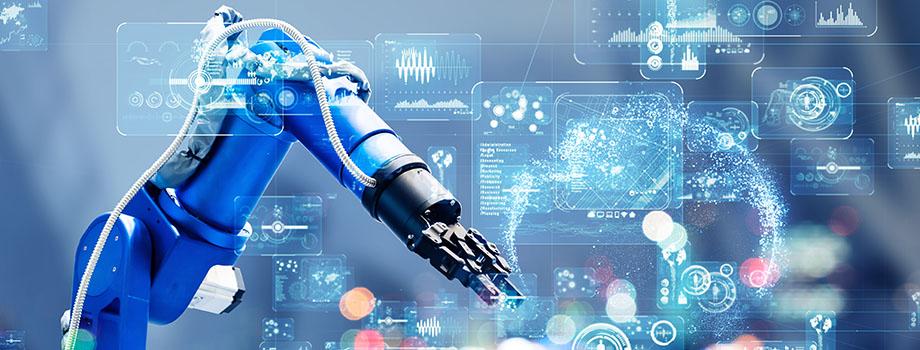
The integration of automation technologies into various sectors is transforming the landscape of work as we know it. Many industries have swiftly adopted AI-driven solutions, leading to enhanced efficiency and productivity. Yet, this shift also raises critical questions about job security. As companies streamline operations using refined algorithms and robotic systems, the roles of human workers are being interrogated. As a notable example, roles that involve repetitive tasks are particularly vulnerable, with machines able to perform these duties faster and with higher precision.
Along with displacing certain jobs, automation is also reshaping the nature of employment itself. Emerging trends suggest that while some positions may vanish, others will evolve or be created, necessitating a workforce equipped with new skills. A closer look reveals various sectors affected by this phenomenon:
| Industry | Impact of Automation |
|---|---|
| Manufacturing | Increased productivity; reduced manual labor |
| Retail | Adoption of self-checkout and inventory management systems |
| Healthcare | AI diagnostics; robotic-assisted surgeries |
| Transportation | Rise of autonomous vehicles; job shifts in logistics |
As this technological tide continues to rise, it is essential for individuals and organizations to adapt proactively. Learning and development programs are more crucial than ever to ensure that workers can thrive in this rapidly evolving landscape. In this world where AI is not just a tool but an integral part of the workforce, continuous education and upskilling are vital to staying relevant and secure in one’s career.
Understanding the Jobs Most Vulnerable to AI disruption
The rapid advancement of artificial intelligence is reshaping the job landscape, rendering certain roles significantly more susceptible to automation. Many positions characterized by routine, predictable tasks stand at the highest risk. workers in sectors such as manufacturing,customer service,and even some aspects of healthcare may find themselves facing obsolescence as AI systems become more proficient. These professions typically involve repetitive actions or data processing, making them prime candidates for replacement by software or robotic automation. The following factors contribute to a job’s vulnerability:
- Repetitiveness: Tasks that require minimal human judgment or creativity.
- Data-driven: Roles centered on data entry or calculations.
- Standardization: Processes that can be easily standardized and replicated.
However, not all jobs will vanish entirely; rather, many will evolve. As machines take over specific duties, new roles will emerge that emphasize human skills like creativity, empathy, and strategic thinking. For example, positions in healthcare will likely shift towards patient interaction and complex decision-making, areas where human insight remains invaluable. To provide a clearer vision of the evolving job market, consider this table showcasing jobs at risk against their potential transformation:
| Job Type | threat Level | Potential Transformation |
|---|---|---|
| Data Entry Clerk | High | Data Analyst |
| Retail Cashier | Medium | Customer Experience Manager |
| Assembly Line Worker | High | Maintenance Technician |
| Customer Service Agent | Medium | Customer Relationship Manager |
Skills for the Future: adapting to an AI-Driven Workforce

The rapid integration of artificial intelligence into various industries is transforming the traditional job landscape, prompting a shift in the skill sets that will be in demand. As automation takes on repetitive tasks, the workforce must adapt by honing capabilities that AI cannot easily replicate. Key skills for the future include:
- Critical Thinking: The ability to analyze situations, identify problems, and craft innovative solutions.
- Emotional Intelligence: Understanding and managing emotions to foster effective human interactions and collaborations.
- Digital Literacy: Proficiency in technology tools and platforms, along with a continuous learning mindset.
- Creativity: The aptitude for original thought that can drive innovation in processes and products.
Moreover,as companies harness AI for data analysis and operational efficiencies,workers will need to embrace a culture of lifelong learning to remain relevant. This includes developing complementary skills that enhance human capabilities.An excellent way to visualize this crucial skill set is as follows:
| Skill Category | Example Skills |
|---|---|
| Analytical Skills | Data Interpretation, Risk Analysis |
| Interpersonal Skills | Negotiation, Team Collaboration |
| Technical Skills | Programming, Cybersecurity |
| Adaptability | Problem-Solving, Flexibility |
Redefining Job Roles: Collaborating with Intelligent Systems
The emergence of intelligent systems is not merely a threat to traditional job roles; it is indeed a call to redefine our professional landscapes. In an era where AI can perform routine tasks with unparalleled efficiency, the collaboration between humans and machines presents a unique opportunity. Instead of viewing AI as a competitor, professionals are now tasked with the challenge of becoming AI co-creators. this requires a paradigm shift where our roles evolve toward complex problem-solving, emotional intelligence, and innovative thinking-skills that AI cannot replicate.
To thrive in this new ecosystem, it is essential to identify key areas where collaboration can enhance productivity and creativity. Consider the following aspects that define this new relationship:
- Complementary Skills: Understanding how human intuition and AI analytics can work together.
- Continuous Learning: Emphasizing the importance of upskilling to keep pace with technological advancements.
- Interdisciplinary Collaboration: Promoting teamwork across diverse fields to foster innovation.
As roles continue to shift, organizations must invest in training programs that prepare their workforce to adapt effectively.The future will favor those who can harness AI tools while maintaining a uniquely human perspective.
Opportunities in an Automated World: New Roles on the Horizon

The rise of automation and artificial intelligence is not just a threat to traditional jobs but also presents a plethora of new opportunities for those willing to adapt. As machines take over repetitive and mundane tasks, ther is an increasing demand for roles that require human creativity, empathy, and critical thinking.Here are some emerging roles we can anticipate in this evolving job landscape:
- AI Ethicist: Professionals dedicated to ensuring that AI systems are fair, transparent, and aligned with human values.
- Data Curator: Individuals responsible for managing and refining datasets to improve AI training processes.
- AI Trainer: Experts tasked with teaching AI systems how to understand and respond to specific tasks or queries.
- Robotics Maintenance Specialist: Technicians skilled in maintaining and troubleshooting complex robotic systems.
Moreover, as new tech reshapes industries, the need for professionals who can bridge the gap between humans and machines becomes vital. companies will require specialists who can communicate effectively with AI technology and integrate it seamlessly into existing workflows.Future job seekers should consider honing skills in:
| Skill | Description |
|---|---|
| Data Analysis | Ability to interpret data and extract actionable insights. |
| Human-Machine Collaboration | Skills in working alongside AI systems to enhance productivity. |
| Creative Problem Solving | Employing creativity to find innovative solutions that AI can’t address. |
| Interpersonal Skills | Building relationships and understanding user needs. |
Strategies for Professionals: Staying Relevant Amidst Change
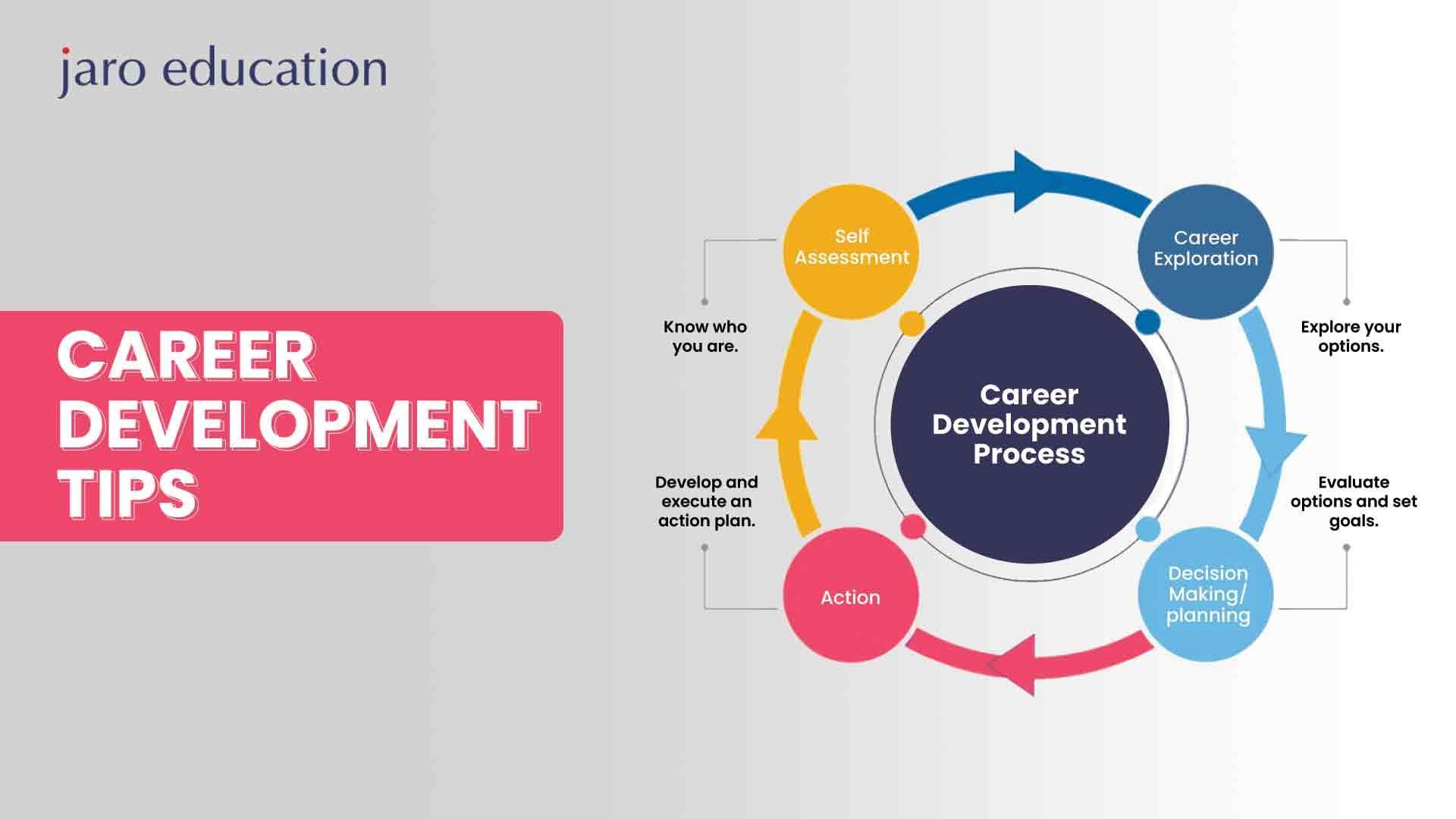
in an era where AI continues to redefine job roles and responsibilities,professionals must adopt a proactive approach to maintain their relevance. Embracing a mindset geared towards continuous learning is essential. Consider the following strategies:
- embrace Lifelong Learning: Invest time in online courses, workshops, and certifications that equip you with new skills.
- Network Effectively: Build a robust professional network that offers insights, opportunities, and collaborations.
- Adaptability: Cultivate a flexible mindset that embraces change and innovation as necessary components of your career.
- Focus on Soft Skills: Develop skills such as emotional intelligence, critical thinking, and dialog that machines can’t replicate.
Moreover, understand the industries most impacted by AI and the roles that will remain in demand. By analyzing the trends and adapting your career trajectory accordingly, you can position yourself as a valuable asset. Below is a table highlighting some industries likely to experience growth and those at risk due to AI:
| industry | Growth Potential | Risk of Automation |
|---|---|---|
| Healthcare | High | Low |
| Technology | High | Medium |
| manufacturing | Medium | High |
| Customer Service | Medium | High |
The Human Touch: What AI Can’t Replace and How to Leverage It

As automation technology continues to evolve and integrate into various sectors, it’s essential to identify elements of human interaction that machines simply cannot emulate.Empathy, intuition, and the ability to forge genuine connections are qualities that remain uniquely human. While AI can analyze data and perform tasks with impressive speed and accuracy, it falls short in delivering the warmth and understanding often required in critical situations. The emotional intelligence ingrained in human interactions is invaluable, allowing individuals to navigate complex social dynamics that a machine may misinterpret or overlook.
To harness the strengths of the human touch effectively, organizations should focus on enhancing interpersonal skills among their teams. Consider investing in training programs that cultivate active listening, emotional resilience, and creative problem-solving.By doing so, businesses can differentiate themselves in a market increasingly dominated by AI. Here are some strategies to promote a more human-centric approach:
- Encourage open communication and feedback.
- Implement mentoring programs to connect experienced employees with newcomers.
- Design team-building activities that foster collaboration and trust.
The Conclusion
As we stand on the precipice of a new era shaped by artificial intelligence, the dialogue surrounding its impact on the job market is more relevant than ever. The rapid evolution of AI technologies is not merely about automation; it signifies a transformative shift that could redefine the nature of work itself. While the specter of job displacement looms large, it is also essential to recognize the potential for AI to augment our capabilities, spark innovation, and create entirely new opportunities in fields we have yet to imagine.
In navigating this changing landscape, we are reminded that adaptability and lifelong learning will be our greatest allies. As AI continues to evolve, so too must our skills and approaches to work. Embracing change with an open mind and a proactive spirit can turn uncertainty into opportunity.
So, will your job be next? The answer may lie not in fearing the future but in engaging with it.As we move forward, let’s not just adapt to the changes brought about by AI; let’s help shape them. After all, in this great dance between humans and machines, our capacity for creativity, empathy, and innovation remains our most valuable asset. The journey ahead may be unpredictable, but together, we can forge a path that embraces both technology and humanity, creating a workforce that thrives in harmony with the advancements around us.