


In a world increasingly dominated by scrolling feeds and instantaneous updates, the art of email communication is experiencing a remarkable resurgence. Once relegated to the status of a humble inbox tool, email has quietly evolved into a powerhouse strategy for engagement and connection. As businesses grapple with the challenges of capturing audience attention in an ever-noisy digital landscape, many are discovering that the personalized, direct nature of email marketing is outperforming the fleeting interactions typically found on social media platforms. In this article,we explore the reasons behind this shift,examine successful email strategies,and uncover how brands are harnessing the power of the inbox to build lasting relationships with their audiences in an age where every click counts. join us as we delve into the renaissance of email and its profound implications for modern marketing.
The Resurgence of email: Why It’s No Longer a Forgotten Tool
The recent resurgence of email has taken the digital communication landscape by storm, breathing new life into a tool once thought to be eclipsed by more modern platforms. Marketers and businesses are rediscovering the unique advantages that email offers, such as personalized communication and direct engagement with consumers who have opted in. Unlike social media, where the algorithm can dictate visibility and engagement, emails land directly in the inbox, allowing for a tailored and intentional approach to message delivery. Some key benefits include:
- Higher Conversion rates: Email marketing has proven to generate significantly higher conversion rates compared to social media channels.
- Targeted Messaging: By segmenting email lists, businesses can send personalized content that resonates more deeply with individual recipients.
- Ownership of Audience: Unlike social media platforms that can change their policies or algorithms, email lists are owned assets, providing stability.
Moreover, the elegance of email lies in its versatility. Brands are utilizing it for various purposes, from nurturing leads to announcing special promotions and sharing valuable content. The ability to analyse performance through tracking opens and clicks lends itself to a strategic focus that few other platforms can match.Consider the following comparison between email and social media marketing effectiveness:
| metric | Email Marketing | Social Media Marketing |
|---|---|---|
| Average Open Rate | 20% – 30% | 1% – 3% |
| ROI | $42 for every $1 spent | $2 for every $1 spent |
| Targeting Capability | High | Medium |
Crafting Compelling Content: the Art of Engaging Email Campaigns
In an era where social media reigns supreme, it’s easy to overlook the powerful impact of expertly crafted email campaigns. To truly engage your audience, consider investing time in personalization, storytelling, and visual appeal. Personalization allows you to connect with subscribers on a deeper level, enhancing relatability. Storytelling can transform mundane content into a captivating narrative, forging an emotional bond. Coupled with a visually appealing layout, your email can draw readers in and keep them engaged.Specific strategies to employ include:
- Segmenting your audience: Tailor content based on user preferences and behaviors.
- dynamic content: Use variables that change based on the recipient’s data.
- Clear call-to-action (CTA): Guide readers towards your desired outcome with compelling CTAs.
To maximize the effectiveness of your campaigns, it’s essential to analyze and refine your approaches continuously. Track key performance indicators (KPIs) such as open rates, click-through rates, and conversion metrics to identify what resonates with your audience. Based on this data, consider implementing a strategy like the following:
| Strategy | Benefits |
|---|---|
| Automated follow-ups | ensures consistent communication and nurtures leads. |
| A/B testing | Helps in determining what content best engages your audience. |
| Feedback loops | encourages audience interaction and provides valuable insights. |
Targeting the right Audience: Segmentation Strategies for Maximum Impact

To harness the full potential of email marketing, understanding and segmenting your audience is essential. This approach ensures that your messages resonate and drive engagement.Consider employing the following tactics to refine your audience segmentation:
- Demographic Segmentation: Tailor content based on age, gender, income, and other demographic variables.
- Behavioral Segmentation: Analyze past interactions and purchase behavior to predict future actions,allowing for personalized messaging.
- Geographic Segmentation: Customize emails based on the location of your audience to promote region-specific offers or events.
- Psychographic Segmentation: Understand the lifestyles, values, and interests of your audience for a more meaningful connection.
Utilizing these strategies, brands can create targeted campaigns that drive higher open rates and conversions. For a more structured overview of segmentation specifics, consider the following table:
| Segmentation Type | Benefit | Exmaple Application |
|---|---|---|
| Demographic | Increased relevance | Sending special offers to seniors during retirement months |
| Behavioral | Higher engagement | Targeting frequent buyers with loyalty rewards |
| Geographic | Localized promotions | Inviting customers to in-store events based on their city |
| Psychographic | Stronger brand alignment | Promoting eco-friendly products to sustainability advocates |
Building Trust and Loyalty: The Power of Personalization in Emails

In the crowded inboxes of today, personalization is not just a marketing trend; it is a powerful strategy that fosters trust and loyalty among customers. By leveraging data from previous interactions,purchase history,and even browsing behavior,businesses can craft tailored emails that speak directly to the individual recipient. This level of customization can take various forms, including:
- Personalized Recommendations: Suggesting products based on a user’s past purchases can significantly enhance the shopping experience.
- Dynamic Content: Incorporating the recipient’s name, location, or special dates (like birthdays) can make emails feel more relevant and engaging.
- segmentation: Dividing your audience into distinct groups to send targeted content increases the chances of conversion.
Moreover, understanding your audience’s behavior through analytics can lead to even greater insights. By applying A/B testing to different email versions, businesses can determine which types of personalization resonate most with their customers. The results can be visualized as follows:
| Email Type | Open Rate | Click Rate |
|---|---|---|
| Personalized Greetings | 25% | 10% |
| No Personalization | 15% | 5% |
| Location-based Offers | 30% | 12% |
By embracing these strategies and focusing on the unique needs and preferences of each recipient, businesses can build a strong rapport that not only drives immediate results but also cultivates a lasting relationship with their customer base.
measuring Success: Key Metrics to Track Email Campaign Performance
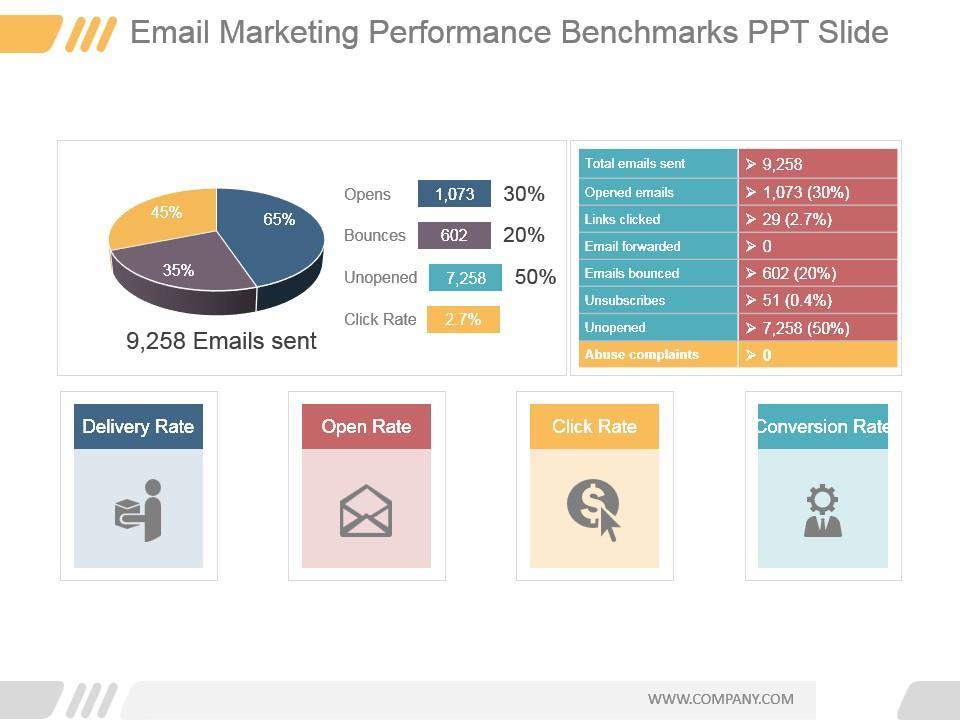
To effectively evaluate the performance of your email campaigns, tracking essential metrics is crucial. Focus on the following key measures that provide insight into your campaign’s success:
- Open Rate: this metric indicates the percentage of subscribers who opened your email. A high open rate reflects the effectiveness of your subject lines and the overall engagement of your audience.
- Click-Through Rate (CTR): The CTR shows the percentage of recipients who clicked on any links within your email. It’s a direct indicator of how compelling your content and call-to-action are.
- Conversion Rate: This measures the percentage of recipients who completed a desired action, such as making a purchase or signing up for a webinar. High conversion rates signify that your emails effectively drive desired behaviors.
- Unsubscribe Rate: tracking how many subscribers opt-out can provide important feedback on the relevance and frequency of your emails.
Additionally, consider examining your bounce rate, which indicates the percentage of emails that could not be delivered. A high bounce rate may suggest issues with your email list quality. Moreover, tracking the ROI (Return on Investment) of your email campaigns in comparison to social media can reveal the effectiveness and cost-efficiency of this strategy. Below is a table summarizing these metrics for quick reference:
| Metric | Definition |
|---|---|
| Open Rate | Percentage of emails opened by recipients |
| Click-through Rate (CTR) | Percentage of clicks on links in the email |
| Conversion Rate | Percentage of recipients completing a desired action |
| Unsubscribe Rate | Percentage of recipients opting out of future emails |
| Bounce Rate | Percentage of emails not delivered |
| ROI | Return on investment from email campaigns |
Integrating Email with Social Media: A Balanced Approach for Higher Reach
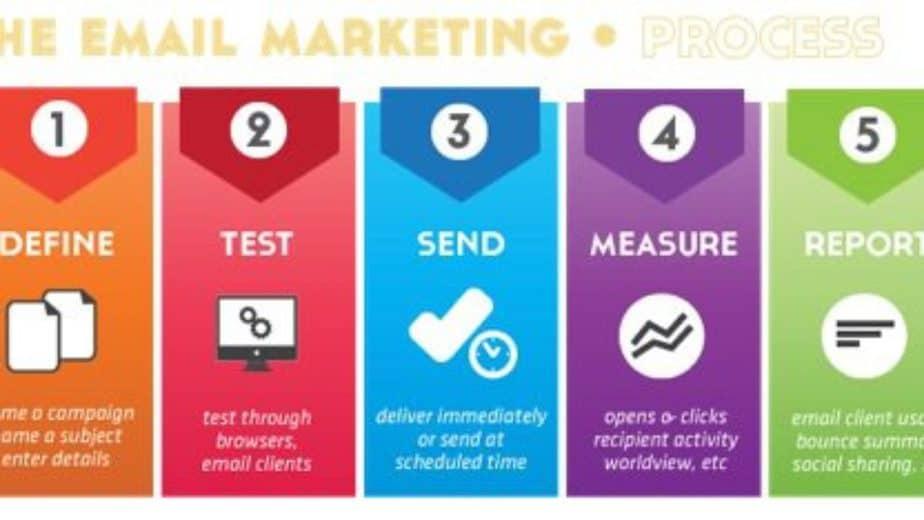
In today’s digitally-driven world, finding the right balance between email marketing and social media is not just a trend but a necessity. By integrating both channels, businesses can harness the unique strengths of each, resulting in increased reach and engagement. As a notable example,email can provide a more personal touch,allowing for tailored messages that resonate with individual recipients,while social media serves as a powerful amplifier,promoting brand visibility and fostering community interaction. Here are some effective strategies for combining these two platforms:
- Cross-Promotion: Utilize your email newsletters to promote your social media profiles, encouraging subscribers to connect with your brand across multiple channels.
- Content Teasers: Share snippets of exclusive content in your emails that link back to detailed posts or discussions on social media, driving traffic between platforms.
- User-Generated Content: Encourage your followers to share their experiences on social media and feature them in your email campaigns, creating a sense of community.
Moreover, tracking the performance of each channel in relation to the other can provide invaluable insights. By analyzing metrics such as open rates, click-through rates, and engagement levels, you can refine your strategies to maximize their effectiveness. A custom dashboard might look like the one below:
| Channel | Open Rate (%) | Engagement rate (%) |
|---|---|---|
| 22 | 10 | |
| NA | 7 | |
| NA | 6 |
As the data suggests, focusing on email yields higher open rates, while social media enhances engagement in different contexts. By capitalizing on the strengths of each platform and fostering a synergistic relationship between email and social media, businesses can achieve a comprehensive strategy that caters to diverse audience preferences and significantly elevates reach.
Future-Proofing Your Strategy: Adapting to Changing Consumer Preferences

As consumer preferences continue to evolve,marketers must remain agile,embracing communication channels that resonate with audiences. One such channel that has shown a remarkable resurgence is email marketing. Unlike social media platforms that often prioritize algorithms over authenticity, email offers a more direct and personal approach to engage with potential customers. By leveraging segmentation and personalization, brands can create tailored messages that speak directly to their audience, resulting in higher open and conversion rates. Key strategies include:
- Data-Driven Insights: Utilize analytics to understand user behavior and preferences.
- Personalized Content: Craft messages that reflect individual interests and past interactions.
- A/B Testing: Experiment with subject lines and designs to discover what resonates best.
Furthermore, the shift in consumer behavior implies that email marketing can integrate seamlessly with existing channels to create a cohesive brand experience. By nurturing relationships through consistent, value-driven email content, brands can solidify loyalty and enhance customer lifetime value. This strategy can be illustrated through the following table, showcasing the comparative strengths of email over social media:
| Factor | Email Marketing | social Media |
|---|---|---|
| Reach | High, targeted audiences | variable, algorithm-driven |
| Engagement Rate | higher due to personalization | Often lower, dependent on organic reach |
| Longevity | Long-lasting content in inbox | Content quickly fades from feeds |
| Conversion Potential | Targeted CTAs increase sales | General engagement, lower sales ratio |
Closing Remarks
As we navigate the ever-evolving landscape of digital communication, it’s clear that the tides are shifting. while social media platforms continue to captivate our attention, the resurgence of email as a powerful tool cannot be overlooked. This new email strategy, characterized by personalized content, targeted outreach, and a focus on genuine engagement, is proving to be a formidable contender in the battle for consumer attention.
In a world where noise is abundant and distractions are everywhere, email stands out as a direct line to audiences, fostering deeper connections and more meaningful interactions.Businesses that harness the potential of these strategies are not just keeping pace; they are leading the charge towards a more effective and customer-centric approach to communication.
As we conclude this exploration, it’s vital for marketers and businesses alike to reassess their strategies.Embracing the timeless appeal of email alongside innovative techniques may very well be the key to thriving in today’s competitive landscape. The future may very well lie in the inbox – a place where conversations begin, relationships flourish, and success is just a click away.