


Picture a single comma, a different verb, or a rearranged phrase quietly tilting a page’s momentum-and sales quietly following suit. Micro-changes in copy aren’t fireworks; they’re careful nudges: subtle shifts in wording, rhythm, and emphasis that reduce friction, clarify value, and steer decision-making without shouting for attention.
behind those nudges are predictable human responses-attention, trust, scarcity, loss aversion-plus a simple math: clearer, more compelling copy converts better. Marketers and product teams who treat words as experiments, not art, have repeatedly found that small, data-driven edits can produce outsized returns. Sometimes those returns look like a doubled conversion rate; more commonly they mean steadier gains that compound over time.
This article unpacks why tiny copy tweaks work, how to test them, and which specific micro-edits tend to move the needle. Expect practical examples, the psychology underneath, and a framework you can apply immediately-no sweeping rewrites required.
Tiny words that double conversion rates: replace passive phrasing with active benefit driven verbs
Swap sleepy, indirect phrases for tight, benefit-forward verbs and watch hesitation evaporate. Tiny edits-often just a single word-shift the reader from observer to actor: replace “is available” with “claim”, “was delivered” with “get”, and ”can be used” with “save”. These micro-changes sharpen intent, shorten comprehension time, and make your call-to-action feel like a direct gift instead of a distant promise.
- Is available → Claim now
- Was delivered → Get it today
- Can be used → Save instantly
Conversion lifts aren’t magic-they’re the brain choosing the clearer path. Active, benefit-driven verbs reduce friction, create urgency, and cue immediate mental images of the payoff. Below is a speedy swapboard you can test in your next A/B experiment:
| before (passive) | After (Active) | Expected Effect |
|---|---|---|
| Your report is ready | Download your report | Higher clicks |
| Support is offered | Get live support | Faster engagement |
| Discounts are applied | Save 20% now | Increased conversions |
Keep the swaps small, bold the benefit, and measure-those tiny verbs often deliver the biggest lifts.
Button and microcopy that seal the deal: prefer clear verbs, social proof snippets, and low friction cues
Think of the button as a promise, not just a pixel. replace vague copy with an action-first verb that removes guesswork-“Get recipe,” “Start free trial,” “reserve my spot.” Under that button, a two- to five-word microcopy line calms friction: delivery time, return policy, or a tiny trust cue. Use short visual cues too (a tiny check icon, a padlock, or “1-2 min” estimate) so the eye reads ease before it reads price.
- Action-first: “Download now” over “Learn more”
- Expectation-setter: “Ships in 24 hours”
- Reassurance: “Free returns • Secure checkout”
Social proof and low-friction cues are the closing act. Sprinkle micro-testimonials or numbers next to the CTA-“12,432 happy customers” or “4.8★ average rating”-and pair them with a tiny benefit line that reduces perceived risk. A clear microcopy + social proof combo often nudges hesitation into action.
| Button | Microcopy | Social proof cue |
|---|---|---|
| Start my plan | Cancel anytime • 2-min setup | Over 8,000 subscribers |
| Get recipe | Full menu in your inbox | 4.9★ • 3k reviews |
Speak the customer’s language: map objections into headlines and mirror vocabulary across touchpoints
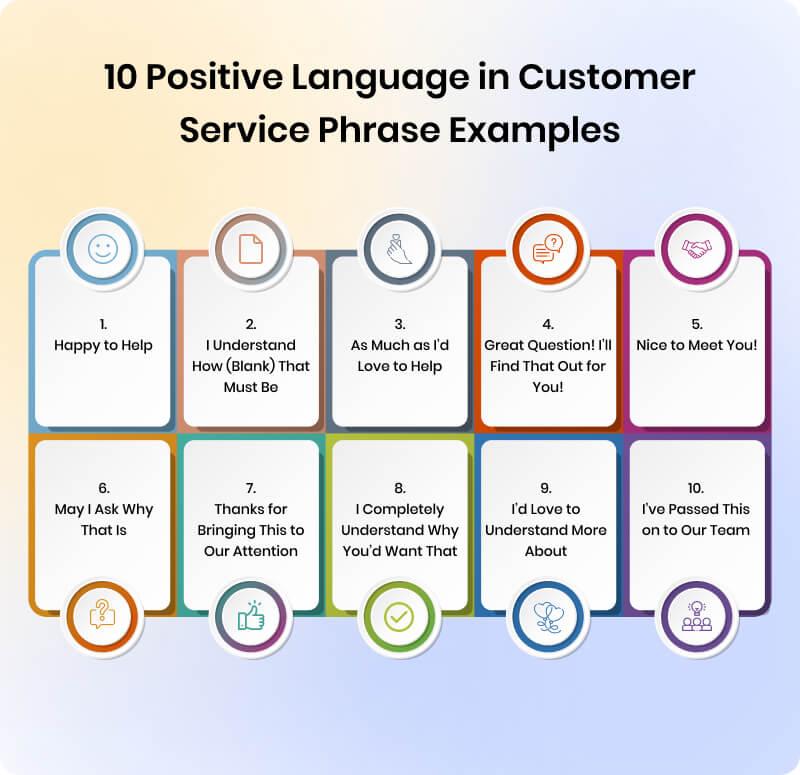
Turn every hesitation into a front‑page promise. Treat common doubts like secret briefs: strip them to their emotional core, then craft a headline that answers the doubt before the reader finishes the sentence. A tiny swap – from “why choose us?” to “Try risk‑free for 30 days” - reframes an objection into an offer. use short, benefit‑first lines that echo the way prospects complain, question, or hope; that mirrored phrasing signals you’ve heard them and closes mental distance fast.
- “too expensive?” → ”start for $0 today”
- “Will it work for me?” → “Customized in 24 hours”
- “What if I’m not happy?” → “Full refund, no questions”
Make every channel speak with one voice. Once you find the words that defuse an objection,mirror them across ads,emails,product pages,chat replies,and onboarding flows. Repetition across touchpoints builds trust: the phrase that resolved doubt in an ad should reappear in the confirmation email and the chat script, so prospects experience consistency instead of friction. Small, deliberate vocabulary matches act like breadcrumbs that guide a hesitant buyer from curiosity to conversion.
- Email subject: “Your 30‑day risk‑free trial awaits“
- Landing hero: “Risk‑free. Cancel anytime.”
- Chat opener: “Not sure? Ask about our refund policy”
Reduce cognitive load to speed decisions: shorten sentences, use bulleted microcopy, and highlight next steps

Think of each line of copy as a tiny signpost – the shorter and clearer it is, the less your reader needs to carry in their head. Use punchy phrases and verbs-first structure so decisions feel immediate: start with the action, then the benefit. Keep sentences to a single idea and convert long explanations into microcopy with quick bullets for instant scanning.
- Action-first: “Buy now” rather of “You can buy now.”
- One idea only: ”Secure checkout” not “Secure, fast, and easy checkout process”
- Limit length: 3-8 words per microcopy line
Make the path forward impossible to miss by spotlighting what happens next – a bold step, not a guessing game. Reduce friction with tiny confirmations, clear next-step labels, and a dominant visual cue for the CTA so the brain can skip deliberation and act.
- Next action label: “Start 14‑day trial” or “Get my invoice”
- Immediate reassurance: “No card required” or “Cancel anytime”
- Visual hint: use contrast, icons, or short microcopy beside the button to speed the choice
Make credibility explicit: quantify guarantees, simplify pricing, and explain returns in a single sentence

Trust converts faster when it’s simple, measurable, and visible. Replace vague promises with one crisp line that does three jobs at once: quantify the guarantee (“90‑day, full refund”), simplify pricing (“one flat $29/month”), and explain returns (“no forms, immediate refund”). Small copy swaps-like turning “satisfaction guaranteed” into “Try 90 days risk‑free - full refund within 48 hours of request”-remove friction at the last moment of decision and make the offer feel real, not rhetorical.
- Be specific: use numbers and timeframes (days, hours, %).
- Be clear: one-line pricing that rules out hidden fees.
- Be actionable: tell customers exactly how returns work in plain language.
| Guarantee | Price | Single‑sentence example |
|---|---|---|
| 90‑day refund | $29/mo all features | Try 90 days risk‑free – $29/month, cancel anytime for a full refund. |
| Uptime promise | One‑time $199 | 99.9% uptime guaranteed; one‑time $199, refunds pro‑rated within 7 days. |
| Free trial | no hidden fees | Start a 14‑day free trial – no card required and no hidden fees after signup. |
Place that single sentence where hesitation spikes-next to the CTA, in the pricing card, and on checkout-and treat it as a micro‑experiment: A/B test variations (different numbers, timeframes, and verbs) and measure lift on conversion and drop‑off rates. By making credibility explicit and measurable you give shoppers a clear, low‑risk path to buy; the copy change is tiny, but the psychological shortcut it creates often doubles the willingness to commit.
Measure lift with disciplined testing: run sequential split tests, track micro conversions, and iterate on wins
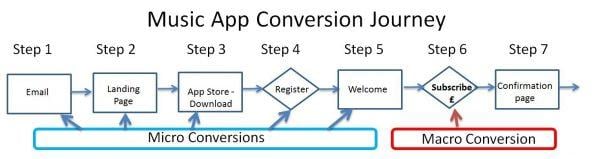
Treat every tweak like a scientific claim: form a tight hypothesis, run sequential split tests to isolate one copy change at a time, and let learning compound. Track small wins by instrumenting micro conversions -the tiny, measurable steps that precede a sale-so you can spot momentum before revenue catches up. Examples worth tracking include:
- CTA clicks (first click on the button)
- Add-to-cart rate (product engagement)
- Scroll depth (content consumed)
- Form starts (lead intent)
This disciplined approach turns noise into signal: when a micro conversion consistently lifts, you’ve found a lever that’s likely to move the bottom line when scaled.
Don’t stop at a single win-iterate. Promote winners into new tests across pages, tighten language, and run follow-ups to confirm durability. Use a holdout group to measure genuine lift and avoid chasing short-term spikes.A simple scoreboard keeps the team honest; here’s a snapshot of how three sequential iterations can look:
| Test | Micro-conv uplift | revenue lift |
|---|---|---|
| Baseline | – | – |
| Headline tweak | +12% | +6% |
| CTA & clarity | +18% | +15% |
Iterate on the winning variant,not the vanity metric-small,repeatable copy wins stack into doubled sales when measured and scaled with discipline.
In Retrospect
Think of copy as a finely tuned instrument: a single string tightened just so, a pause changed by a fraction, and the melody lands differently. The lesson from these experiments is not mystique but discipline - attentive listening to customers, hypothesis-driven tweaks, and careful measurement. Micro-changes don’t promise overnight miracles, but they do compound: a clearer headline, a sharper benefit, a softer risk-removal can nudge behavior enough to double outcomes over time.
So close your notebook, choose one small element to change, and let data be your guide. the most persuasive copy isn’t the loudest; it’s the one that fits the reader so precisely they hardly notice it was ever different.