



In the digital age, where giants like Amazon and Google dominate the landscape, it might seem that small businesses are destined to play the role of mere supporters in a world that favors the colossal. Yet, a quiet revolution is stirring beneath the surface, as thes nimble enterprises harness creativity, community engagement, and innovative strategies to carve out their own spaces in the marketplace.From personalized customer service to unique product offerings, small businesses are not just surviving against the odds; they are thriving, often outmaneuvering their larger counterparts with agility and authenticity. In this article, we will explore the dynamic ways in which small businesses are redefining success, challenging conventional wisdom, and demonstrating that sometimes, in the battle of small versus big, David can-and does-triumph over goliath.
empowering Local Communities Through Personalization
In a world increasingly dominated by large corporations, small businesses are harnessing the power of personalization to connect with their local communities. By tailoring products and services to meet the specific needs and preferences of their customers, these businesses create a sense of loyalty that big tech companies often struggle to replicate. Small buisness owners can hold intimate conversations with their customers, gathering feedback that informs their offerings. This level of engagement not only fosters trust but also encourages customers to support their local economy,keeping their hard-earned money within the community.
Moreover, small businesses are not just offering customized solutions; they are actively involved in the very fabric of their communities. They sponsor local events, collaborate with other local artisans, and provide spaces for community gatherings. This symbiotic relationship has reshaped customer expectations. Consumers now seek more than just products; they are looking for experiences and connections. Key strategies include:
- Local Sourcing: Utilizing local suppliers to reduce costs and support neighboring businesses.
- Customized Offers: Developing products specifically tailored to local tastes.
- Community Engagement: Hosting workshops and events that promote local culture.
| Strategy | Description |
|---|---|
| Customer Feedback | Gathering insights to refine products and services. |
| Personalized Communication | Staying in touch through personalized emails and messages. |
| Collaborative Initiatives | Partnering with other local businesses to enhance visibility. |
Innovative Agility: Small Businesses Adapting to Market Trends

In an ever-evolving market landscape, small businesses are showcasing remarkable adaptability, transforming challenges into opportunities by swiftly responding to changing customer needs and preferences. Unlike larger corporations, these nimble enterprises leverage real-time data analysis and customer feedback to fine-tune their offerings. This hands-on approach enables them to identify emerging trends before they become mainstream, allowing them to deliver personalized experiences that resonate deeply with their target audience. For instance, local cafes are experimenting with seasonal menus based on customer choices, while artisanal craftspeople are tailoring their products to reflect consumer sustainability concerns.
Staying ahead of the curve also involves strategic innovation in marketing and customer outreach. Small businesses invest in social media platforms to build direct relationships with consumers,turning followers into loyal advocates. These strategies include:
- Engaging storytelling that connects with customers on an emotional level
- Interactive campaigns that invite participation and feedback
- Collaborations with micro-influencers to expand reach without the hefty price tag
By capitalizing on their inherent adaptability and fostering community ties, small businesses not only survive but thrive in competitive markets, proving that size does not dictate success.
Harnessing Technology: Tools for Efficiency and Growth
In today’s competitive landscape, small businesses are leveraging innovative solutions to carve out their niche, frequently enough outpacing larger corporations that might potentially be burdened by cumbersome legacy systems. Cloud-based tools have become a lifeline for these agile enterprises, allowing them to scale rapidly while maintaining low overhead costs. With platforms like Slack and trello, teams can collaborate effortlessly nonetheless of their geographical locations, fostering a culture of flexibility and creativity. Additionally,analytics solutions such as Google Analytics empower small businesses to understand consumer behaviour,enabling data-driven decision-making that optimizes both marketing strategies and customer engagement.
Moreover, the adoption of e-commerce platforms like Shopify and WooCommerce enables small retailers to reach global markets without the hefty price tag of traditional storefronts.The key lies in automation: by implementing email marketing tools such as Mailchimp or customer relationship management (CRM) systems like HubSpot, small business owners can streamline their operations, freeing up valuable time and resources to focus on growth. All these technological advances are not just leveling the playing field; they are empowering small businesses to deliver personalized customer experiences that frequently enough outshine those of their larger competitors.
Niche Marketing: The Power of Specialized Offerings
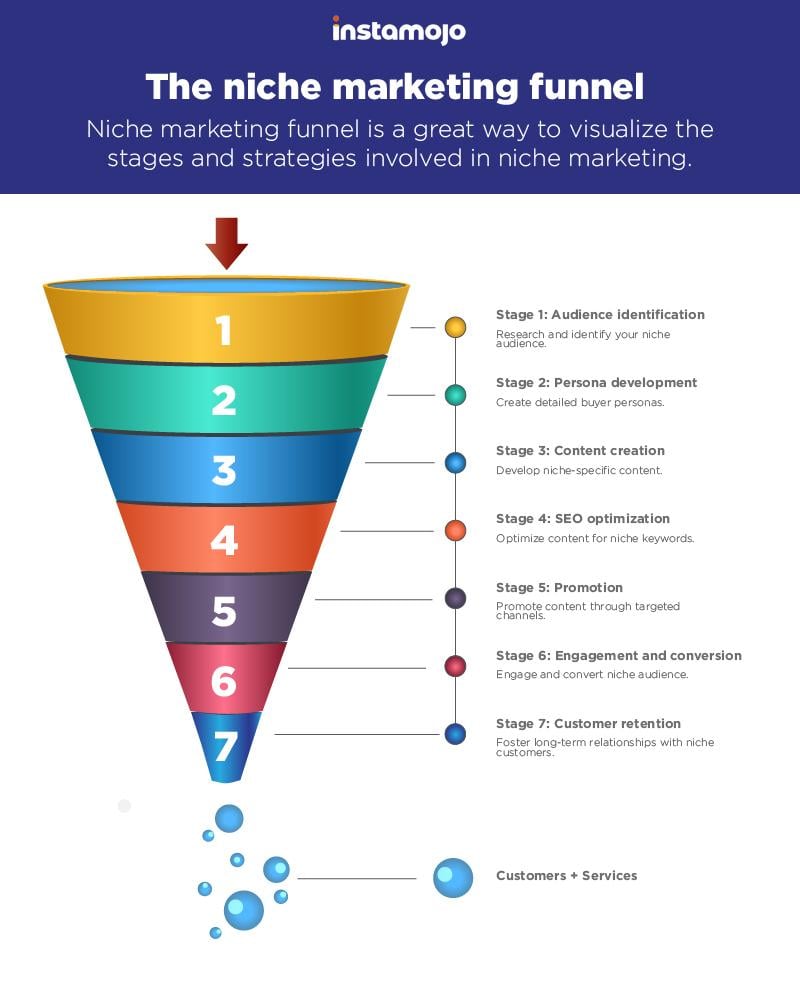
Niche marketing has emerged as a formidable strategy for small businesses, allowing them to carve out specific segments in the market that often go underrepresented by larger corporations.By focusing on specialized offerings, these businesses can create a loyal customer base that values the unique products or services tailored to their specific needs. This approach not only minimizes competition but also fosters a deeper connection with customers who feel understood and valued. For instance, a small artisan bakery might target gluten-free consumers, offering a range of baked goods that cater to dietary restrictions while emphasizing quality and craftsmanship.
Moreover, the advantages of niche marketing extend beyond just product differentiation. Small businesses can utilize targeted marketing strategies that speak directly to their audience,enhancing engagement and conversion rates. They often leverage the power of social media and community involvement to amplify their reach without the massive budgets of big tech. Consider the following advantages:
- Brand Loyalty: Customers appreciate personalized service and are more likely to remain loyal.
- Less Competition: Focusing on a niche reduces the number of competitors in that space.
- Community Building: Small businesses can create a community around their offerings, enhancing customer retention.
- Targeted Marketing: Tailored promotional efforts yield higher engagement rates.
Building Stronger Customer Relationships in a Digital Age

In today’s digital landscape, small businesses are leveraging technology to forge meaningful connections with their customers, setting themselves apart from larger corporations. They are using social media platforms,customer relationship management tools,and personalized email marketing to engage their audience. By focusing on creating authentic interactions, these businesses can cultivate loyalty and trust that often eludes bigger companies. For instance, they can establish community-driven events, share behind-the-scenes content, or highlight customer stories, making their clients feel valued and heard.
Additionally, small businesses are increasingly adopting data-driven strategies to enhance customer experiences. By collecting feedback through surveys and monitoring online reviews, they can quickly adapt to customer needs and preferences. Here’s how small businesses can build stronger relationships:
- Personalized Communication: Tailoring messages to individual customer preferences fosters a deeper connection.
- Consistent Engagement: Regular updates and interactive content help maintain ongoing dialog with the audience.
- Responsive Customer Service: Speedy and empathetic responses to inquiries build trust and satisfaction.
| Strategy | benefit |
|---|---|
| Social Media Engagement | Enhances brand visibility and customer interaction |
| Email Campaigns | targets specific audiences with tailored offers |
| customer Feedback Loops | Informs product improvements and services |
Collaborative Networks: Strength in Community Connections
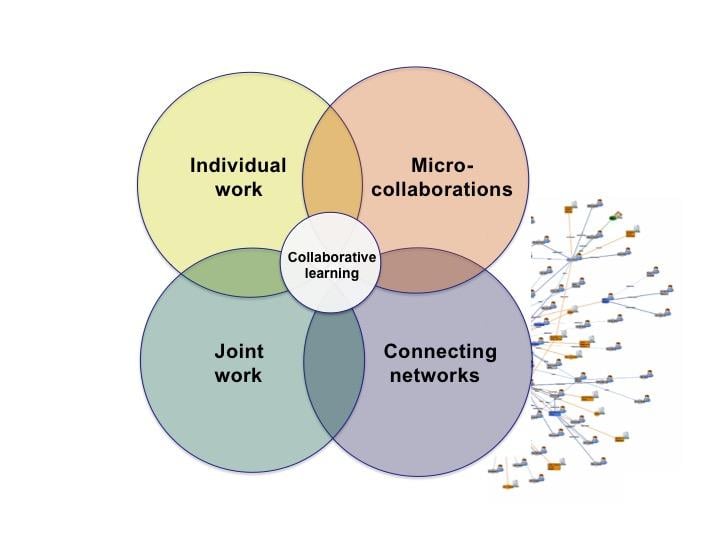
In today’s rapidly evolving marketplace, small businesses are finding their footing through strategic collaborations that emphasize community connections. By forming networks with local enterprises, artisans, and service providers, these businesses can share resources, knowledge, and clientele. This synergy not only enhances their ability to compete with larger corporations but also fosters a sense of belonging that resonates deeply with consumers. Businesses can tap into a variety of collaborative strategies, such as:
- Joint marketing efforts: Co-hosting events or sharing promotional channels to expand reach.
- Shared spaces: Pooling resources for storefronts or pop-up shops that showcase multiple vendors.
- Skill swaps: Exchanging services to reduce costs and improve operations.
Moreover, the rise of digital platforms designed for local collaboration is a game-changer. These platforms act as hubs for networking,allowing small businesses to discover partnership opportunities,share best practices,and cultivate a loyal customer base. A quick glance at the statistics reveals the impact of these community ties:
| Strategy | Impact |
|---|---|
| Joint Marketing | Increased visibility by 30% |
| Shared Spaces | Cost savings of 20% |
| Skill Swaps | Efficiency boost of 15% |
Ultimately, these cooperative efforts underscore how small businesses are not only surviving but thriving by leveraging the power of their communities. Through mutual support and shared ambitions, they’re creating a formidable presence that proves small can indeed be mighty in the face of big tech.
Sustainable Practices: How Small Businesses Lead in responsibility

Small businesses are emerging as champions of sustainability, frequently enough outperforming larger corporations in their commitment to environmental responsibility. By integrating eco-amiable practices into their operations, these enterprises are making ample contributions to local economies and the planet. They exhibit a range of strategies that promote sustainability, including:
- Reducing Waste: Many small businesses actively minimize waste by implementing recycling programs and using biodegradable materials.
- Source Local: By purchasing supplies from local vendors, they reduce transportation emissions while supporting the community.
- Energy Efficiency: Small businesses are increasingly investing in energy-efficient appliances and sustainable technologies to lower their carbon footprint.
Moreover, small businesses are adept at fostering strong relationships with their customer base, often driving community engagement through sustainable initiatives. This grassroots approach allows them to be more agile and innovative than larger firms saddled with bureaucratic processes. Additionally, many have embraced the concept of openness, sharing their sustainability goals and achievements openly with their customers. A table detailing some effective sustainable practices implemented by small businesses is as follows:
| Practice | Benefit |
|---|---|
| Composting | reduces landfill waste |
| Carpool Programs | lowers transportation emissions |
| Community Workshops | Educates public on sustainability |
Final thoughts
as we unwind the tapestry of today’s business landscape, it becomes increasingly clear that small enterprises are not just surviving in the shadow of big tech; they are thriving and carving out their own distinct paths. With agility as their ally and innovation as their constant companion, these nimble players remind us that size doesn’t always dictate success.
In a world dominated by algorithms and automated processes, the human touch-found in personalized service, community engagement, and unwavering passion-resonates more than ever. The stories of small businesses challenging giants are not just tales of resilience; they highlight a shift towards a more diverse and inclusive marketplace.
As we look to the future,one thing is certain: the dynamic battle between small businesses and big tech offers not only a glimpse of innovation but also a rekindling of connection in an increasingly digital world. so, whether you’re a fledgling entrepreneur or an established player, take inspiration from the tenacity of these small businesses-their stories remind us that the heart of commerce still beats strongest at the grassroots level.As the digital landscape continues to evolve, let’s celebrate the creativity and courage powering this new wave of entrepreneurial spirit, for in this interplay of size and strategy lies the promise of a vibrant and equitable economy for all.