



In a world where countless brands compete for attention, standing out can often feel like an insurmountable challenge. Yet, the art of crafting a compelling brand is not reserved for the marketing elite or innovative startups alone; it’s an achievable goal within everyone’s reach. Imagine transforming your vision into a powerful brand identity in just 30 days.Whether you’re launching a new venture or revitalizing an existing one, the journey to creating an irresistible brand is paved with creativity, strategy, and an authentic reflection of who you are. In this article, we will explore actionable steps to help you develop a unique brand presence that resonates, engages, and, most importantly, captivates your audience. Get ready to embark on a transformative month filled with inspiration and practical insights, as we break down the essential components to elevate your brand to irresistible heights.
Understanding Your Brand Identity and Purpose
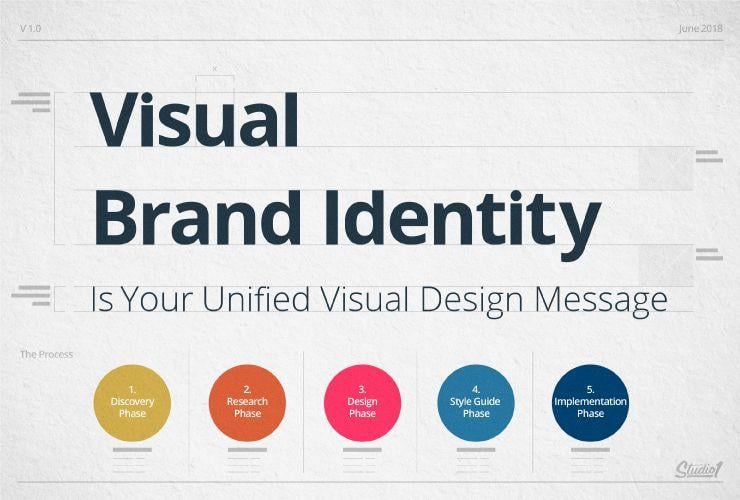
To establish a compelling brand, you first need to delve into your unique identity. this encompasses your values, mission, and the essence that differentiates you from competitors. Begin by reflecting on what matters most to your organization and the emotions you aspire to evoke in your audience.Consider the following elements:
- Core Values: What principles guide your decisions?
- Mission Statement: What is your brand’s ultimate goal?
- Unique Selling Proposition (USP): What makes you stand out?
- Target Audience: Who are the people you’re aiming to connect with?
Once you have a clear understanding of your brand identity, articulate your brand’s purpose. this purpose acts as a compass, steering your branding efforts and resonating with your audience on a deeply personal level. Define your narrative succinctly to capture the essence of your brand in a way that engages and inspires. To visualize your brand’s journey, consider a straightforward table to summarize your findings:
| Element | Description |
|---|---|
| Core Values | Integrity, Innovation, Community |
| Mission Statement | To empower individuals through accessible education. |
| USP | Personalized learning experience with real-world applications. |
| Target Audience | Students and professionals seeking growth opportunities. |
Crafting a Compelling Brand Story
At the heart of every triumphant brand lies a captivating story that resonates deeply with its audience. Crafting such a narrative involves understanding who you are,what you stand for,and how you connect with your customers. To begin, identify the core values and mission of your brand; these are the pillars upon wich your story will be built. Consider the hero’s journey: your brand is the hero that overcomes struggles and challenges, delivering solutions that improve the lives of your audience. As you narrate your journey, highlight the transformation that your products or services inspire.
Furthermore, the emotional connection you create will distinguish your brand from the competition. To do this effectively, consider the following elements in your storytelling approach:
- Your Origin: share your beginnings, what inspired you to start this venture.
- Customer Stories: Incorporate testimonials or anecdotes that showcase real-life impact.
- Visual Components: Use imagery and videos that exemplify your brand’s essence.
- Future Vision: Paint a picture of the future you envision, engaging your audience in your story.
By utilizing these techniques, your brand story will not only be compelling but will also forge meaningful relationships with your audience, turning them into loyal advocates.
Designing Visual Elements that Resonate
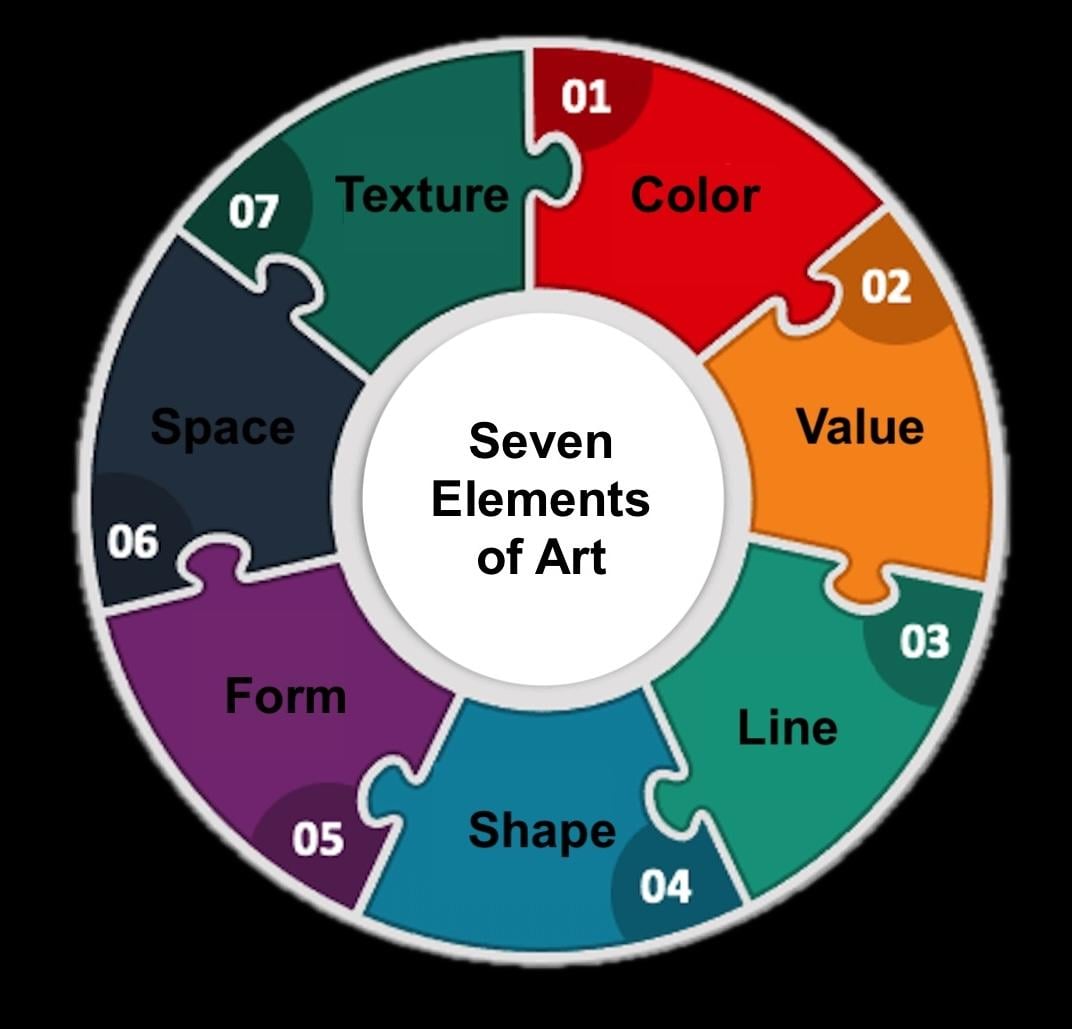
Creating visual elements that connect with your audience is key to forming a memorable brand. Begin by identifying the core messages you wont to convey and translating them into graphics, colors, and typography. Each visual shoudl reflect your brand’s unique personality while remaining consistent across all platforms. Consider employing a color palette that evokes the right emotions, and select typography that enhances readability. Strong visuals can be achieved through:
- Imagery: Use high-quality images that tell your brand story.
- Icons: Incorporate simple icons to communicate ideas quickly.
- Layouts: Experiment with layouts that guide the viewer’s eye and create a visual hierarchy.
After establishing your visuals, it’s essential to test thier effectiveness.Solicit feedback through surveys or user testing to see how well your visual elements resonate with your target audience. Remember that visual consistency builds familiarity and trust. A polished look can set you apart from competitors. Keep track of what works best through a visual style guide, which should include:
| Element | Details |
|---|---|
| Logo | Always displayed prominently, in both color and monochrome. |
| Color Palette | A primary palette of 3-5 colors with variations. |
| Typography | Use 2-3 fonts to maintain consistency. |
Building a Consistent Online Presence

Creating a cohesive online identity is vital for any brand aiming to establish itself in a crowded digital landscape. Start by defining your brand’s visual elements: choose a color palette that reflects your values, select fonts that convey your tone, and design a logo that encapsulates your mission. Consistency in these visuals across all platforms, from your website to your social media profiles, sets a professional tone and reinforces brand recognition. Use tools like Canva or Adobe Spark to ensure that your graphics maintain the same aesthetic, enhancing the overall user experience.
Next, harmonize your content strategy by maintaining a unified voice in all communications, whether they be blog posts, social media updates, or newsletters. This promotes trust and familiarity with your audience. Consider creating a content calendar that outlines topics, formats, and desired outcomes for each post.This structured approach ensures that all your messaging aligns with your brand mission. Incorporate a table to track your progress against key objectives:
| Week | Content Type | Platform | Goal |
|---|---|---|---|
| 1 | Blog Post | website | Increase Traffic |
| 2 | Social Media Campaign | Engagement | |
| 3 | Email Newsletter | Conversions | |
| 4 | Video Content | YouTube | Brand Awareness |
Engaging Your Audience Through Meaningful Content
To captivate your audience, you must go beyond surface-level engagement. Focus on creating authentic connections by sharing your brand’s story,values,and purpose. consider integrating user-generated content that highlights the voices of your customers; this fosters a genuine dialog and makes your audience feel valued. Embrace a variety of formats, such as blog posts, videos, podcasts, or even interactive quizzes, that resonate with your target demographic.Each piece of content should not only inform but also inspire action, whether it’s a comment, a like, or a share. Remember, the more relatable and personalized your content is, the more likely it will leave a lasting impression.
Utilize analytics to refine your content strategy continuously. Track the performance metrics of your posts to uncover what resonates best with your audience. You can easily create an engaging content calendar that highlights essential themes and topics. Consider categorizing your content based on audience interest,which will allow you to tailor your messaging more effectively. A simple example of a content calendar can be seen in the table below:
| Week | Content Type | Topic | Call to Action |
|---|---|---|---|
| 1 | Blog Post | Brand Story | Share Your Thoughts |
| 2 | Video | User Testimonials | Tag Us! |
| 3 | Podcast | Industry Trends | Leave a Review |
| 4 | Quiz | Find Your Style | Share Results! |
Leveraging Social Media for Brand Amplification

In today’s digital landscape, social media serves as a powerful catalyst for brand amplification, allowing businesses to connect with their audience in real-time and foster genuine relationships. To harness its potential effectively, brands should focus on creating engaging content that resonates with their target demographic. This includes:
- Visual Storytelling: Use compelling images and videos to convey your brand’s narrative and values.
- User-Generated Content: Encourage customers to share their experiences with your products to build authenticity and trust.
- Consistent Engagement: Regularly interact with followers through comments, shares, and live sessions to cultivate a loyal community.
Moreover, leveraging analytics tools can provide insights into your audience’s behavior, helping to refine your strategy. Consider establishing a content calendar to ensure a consistent posting schedule that aligns with your marketing objectives. For illustrative purposes, below is a simple overview of content types and their frequency:
| Content Type | Frequency |
|---|---|
| Posts (Images/Text) | 4-5 times a week |
| Videos | 1-2 times a week |
| Stories | Daily |
| Live Sessions | Bi-weekly |
Measuring Success and Iterating Your Brand Strategy
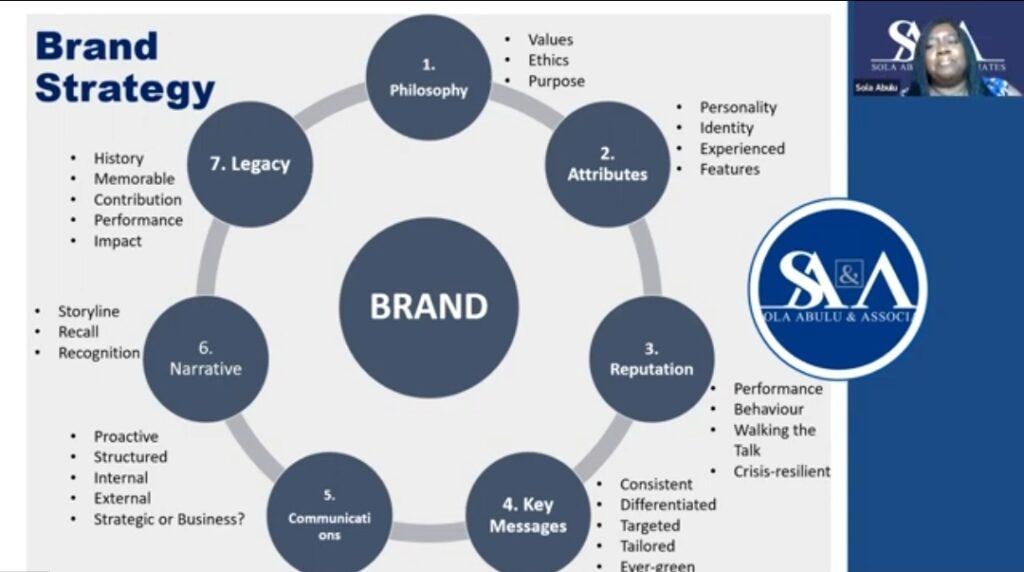
To truly gauge the effectiveness of your brand strategy, it’s essential to incorporate a variety of metrics that paint a holistic picture of your brand’s performance.Analyzing customer feedback, engagement rates, and conversion statistics can provide invaluable insights. Key performance indicators (KPIs) such as brand awareness, customer loyalty, and market share should be tracked consistently. Consider implementing tools like social media analytics, Google Analytics, and customer surveys to collect data on your branding campaigns. By systematically measuring these metrics, you can identify which aspects resonate with your audience and which require refinement.
Once you’ve gathered and analyzed your data, the next step is to iterate on your brand strategy based on these insights. This could involve tweaking your messaging, updating your visual identity, or even diversifying your product offerings.Engaging with your audience during this phase is crucial.Creating feedback loops allows you to adjust your approach continuously. For a clearer perspective, leverage SWOT analysis (Strengths, Weaknesses, Opportunities, Threats) to determine where your brand stands and what changes are needed. To facilitate this iterative process, consider the following strategies:
- Regularly Review KPIs: Monitor trends and shifts in consumer behavior.
- Conduct A/B Testing: Experiment with different branding elements to find what works best.
- Seek Direct Feedback: Use surveys or focus groups to gain insights from your target demographic.
| Metric | Definition | Importance |
|---|---|---|
| Brand Awareness | How well consumers recognize and recall your brand. | indicates market presence and customer familiarity. |
| Customer Loyalty | Measure of repeat purchases and customer retention. | Demonstrates brand trust and satisfaction. |
| Market Share | Your company’s sales as a percentage of the total market. | Shows competitiveness and overall brand strength. |
Closing remarks
As you embark on your journey to create an irresistible brand in just 30 days, remember that every great brand tells a story, and yours is waiting to unfold. With dedication, creativity, and a clear vision, you can craft a brand identity that resonates deeply with your audience and stands out in a crowded marketplace.
Each day offers new opportunities to refine your message, engage with your community, and build the foundation of something truly memorable. Embrace the process, stay adaptable, and let your passion shine through every strategy you implement.
an irresistible brand is not just about aesthetics or marketing strategies; it’s about authenticity, connection, and the impact you leave on those who encounter your work. So, take a deep breath, dive in, and let the next 30 days pave the way for a brand that not only captivates but also inspires.Your irresistible brand is just a month away-now go and make it happen!