


Imagine a service that, once launched, quietly attracts the right customers, converts interest into use, and keeps them coming back - not because of flashy marketing, but because every touchpoint makes the choice obvious. Designing services that practically sell themselves isn’t about magic or passive hope; it’s about shaping clarity, reducing friction, and aligning value with behavior so the right outcomes follow naturally.
This article walks through the thinking and craft behind such services. We’ll look beyond features and pricing to the invisible architecture that guides revelation, decision, and delight: how people find you, how they learn you’re worth it, how they start and how they stay. You’ll see practical design principles, decision checkpoints, and measurable signals that separate services that limp from those that scale.
If you design offerings, manage customer experience, or simply want systems that are easier to grow, the approach here reframes selling as a design problem – solvable, testable, and repeatable. Read on to learn how to make your service not just desirable, but self-evidently so.
Clarify the one measurable outcome customers will pay for and design everything to deliver it

Pick one thing your customer would happily pay to change and make it the north star of every decision – for example, a 30% reduction in time-to-launch, $200/month in predictable cost savings, or an onboarding completion rate of 90% in three days. When you can state the outcome as a clear, measurable number, you can test offers, write promise-driven copy, and remove features that don’t move the needle. use simple customer research tactics to lock it down:
- Ask what they’d pay to avoid today’s biggest frustration.
- Measure how much current workflows cost them (time × rate).
- Prototype a guarantee and see if people opt in.
Once chosen,force every piece of the service to either deliver that metric or be retired – pricing,onboarding,SLA,support scripts,and success metrics all bend to the same outcome. Make that alignment obvious to prospects with a compact proof statement and operational map so sales and delivery speak the same language. Speedy reference:
- Price: Tie at least part of fees to the outcome.
- Onboarding: Optimize for the fastest path to measurable impact.
- Support: Prioritize interventions that protect the promised number.
| Service Layer | Primary Focus |
|---|---|
| Pricing | Outcome-backed guarantees |
| Onboarding | First measurable win in days |
| Operations | Repeatable delivery playbooks |
| Marketing | Proof points tied to the metric |
Build onboarding that removes decision friction and creates an early habit through guided first success

Turn the first moments with your product into a tiny, delightful ritual: remove friction by surfacing one clear path and deferring every optional choice until after a meaningful win. Use progressive disclosure, smart defaults and contextual prompts so new users only decide when decision matters. Concrete tactics:
- Pre-filled inputs based on common scenarios
- Micro-tasks that guarantee a visible result in under 60 seconds
- Guided templates that replace blank-state anxiety with confidence
These small design moves collapse the cognitive load and let a single guided success do the heavy lifting of motivation and retention.
After that first win, scaffold a simple loop that nudges repetition: a gentle trigger, a trivial action, and an immediate, shareable reward. Track signals like completion time and repeat rate, then iterate on the shortest path to the next small victory so a habit can form naturally. A short reference can help align teams and copywriters quickly:
| Trigger | Action | Reward |
|---|---|---|
| Welcome tip | One-click setup | Instant preview |
| Reminder | Repeat quick task | Progress badge |
Make each step feel inevitable and helpful,not pushy – and the product begins to practically sell itself through users who come back because it’s easier to do the next small thing than to seek alternatives.
Create transparent pricing and trial structures that reduce perceived risk and simplify buying decisions

Design every price as an invitation, not a puzzle: show what’s included, what’s optional, and what happens if a customer changes their mind. Use short, plain-language lines that a buyer can scan in five seconds – name the outcome, the commitment, and a single-sentence benefit. To make that even easier, present supporting details as quick bullets so prospects can judge risk at a glance:
- Clear tiers with real examples of who each fits
- transparent add-ons and one-time fees
- Easy cancellation and a visible refund policy
- Quoted total cost up front (no hidden taxes or setup surprises)
Pair transparency with trial structures that remove excuses: limited-time free trials, low-friction onboarding, and a simple exit path reduce perceived risk and raise conversion. Offer conversion nudges that feel helpful rather than pushy – in-product tips, completed success templates, and a one-click upgrade flow. The table below gives three compact trial models you can adapt:
| Model | Length | Best for |
|---|---|---|
| Free trial | 7-14 days | full-product demo |
| Freemium | Indefinite | Habit-building features |
| Money-back guarantee | 30 days | Higher-priced services |
Keep the signup flow to one screen, highlight the next meaningful action, and make ending the trial as painless as starting it – that’s how buying becomes a decision, not a leap of faith.
Embed social proof, case outcomes and milestone reporting to make value obvious at every interaction

Turn every interaction into proof of progress by weaving measurable outcomes and peer validation into the product experience. Place short, scannable proof elements where decisions happen – near CTAs, inside onboarding flows and on progress screens – so the buyer sees results before they commit. Use compact formats that respect attention: one-line case stats, micro-testimonials tied to a persona, and instant badges for verified outcomes.
- Client logos with a hover summary of outcomes
- Micro-case cards showing a single metric and the timeframe
- Quoted wins from users with job title and result
- Third-party ratings and certifications presented visually
These cues build credibility without friction,helping prospects translate features into predictable,repeatable value.
Make progress visible and shareable: short milestone reports convert uncertainty into momentum and give internal champions material to circulate. Automate rhythmical updates – in-app cards, scheduled emails, and exportable one-pagers – that spotlight what changed, why it matters and the next recommended move. Consider a compact snapshot for meetings and dashboards that highlights the next win and its estimated impact.
| Milestone | When | Impact |
|---|---|---|
| Initial Setup Complete | Week 1 | Baseline ready, onboarding speed +30% |
| First Outcome Delivered | Week 4 | Revenue signal – early ROI |
| Optimization Cycle | Month 3 | efficiency gain, cost per unit ↓ |
Automate smart follow up and lifecycle messaging that converts trial users into loyal customers
Turn trial curiosity into lasting habit by designing a messaging system that behaves like a helpful guide rather than a salesperson. Map the tiny decisions users face during each touchpoint and wire in behavioral triggers that respond to clicks, time spent, and feature exploration. Use short, whispered nudges at the right moment – welcome confirmations, contextual tips when a feature is first used, soft reminders before trials end – and ensure every message includes a clear next step that moves the user forward without friction.
Make automation feel human by layering personalization, micro-segmentation, and rapid experimentation: start with a simple rule set, measure response rates, then iterate on copy and cadence.Combine data signals (product usage, referral source, engagement depth) to craft sequences that escalate from helpful education to value reinforcement, and finally to loyalty-building offers. Keep the loop tight: track conversion, open, and retention metrics, then prune or amplify sequences based on what actually builds habits.
- Welcome & setup – immediate value + next action
- Milestone nudges – celebrate progress, suggest features
- Pre-expiry prompt - highlight saved work and incentives
- Re-engage – lightweight value reminders for dormant users
| Day | Touch | objective |
|---|---|---|
| 0 | Welcome + quick Win | Get first value |
| 3 | Feature Tip | Increase engagement |
| 25 | Pre-trial Reminder | Encourage conversion |
Optimize team processes and feedback loops to iterate on value drivers like retention and lifetime value
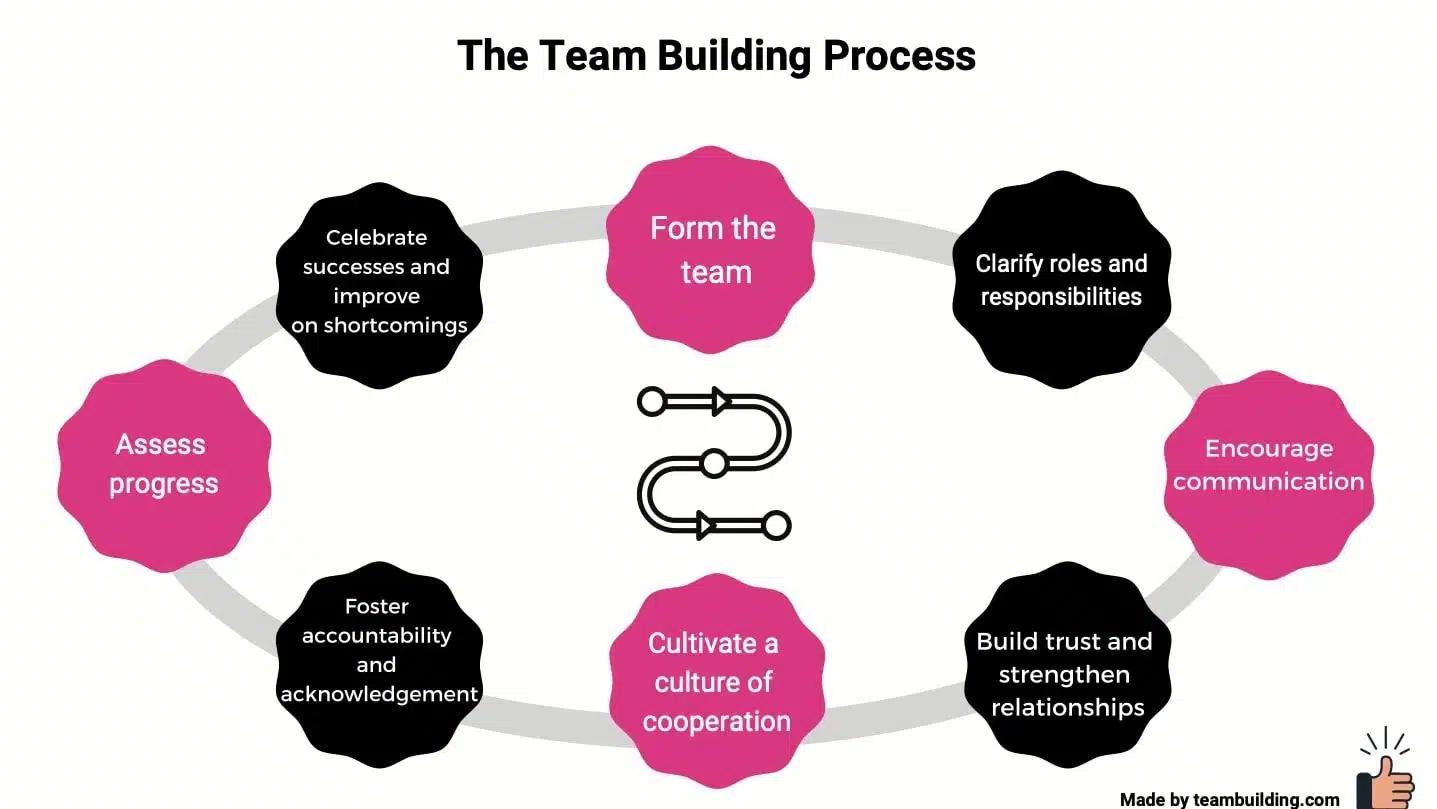
Turn product intuition into repeatable muscle by shaping how the team works together around the metrics that matter most – not just features. Create small, fast rituals that translate learning into action: short experiments, clear ownership, and tight customer signals. Examples that consistently move retention and lifetime value include
- Weekly micro-experiments with predefined success criteria
- Retention retros that surface churn patterns and hypotheses
- Signal boards where customer feedback, NPS snippets, and usage anomalies live
These rituals reduce decision friction, force causal thinking, and make visible the link between what the team changes and how value drivers respond.
Close the loop by embedding lightweight measurement and escalation paths so every insight becomes a lever for product improvement. Assign a cadence for learning, who acts on each insight, and what victory looks like – then iterate quickly on the approach. A compact guide for those loops might look like:
| Loop | Cadence | Primary Outcome |
|---|---|---|
| Experiment → learn | 1 week | Hypothesis validated / discarded |
| Retention Review | 2 weeks | Targeted interventions |
| LTV Forecast Check | Monthly | Pivots to pricing or onboarding |
Use these rules to keep iteration fast, keep teams accountable, and ensure every process tweak is evaluated for its direct effect on retention and lifetime value.
In Retrospect
Designing services that practically sell themselves isn’t a magic trick – it’s the result of intentional choices that remove friction, surface value, and invite trust.When your offering communicates its benefit at a glance, guides people gently through decision and use, and scales the human touch with smart systems, it stops relying on hard sells and starts earning quiet momentum.
Think of your service as a well-lit path: clear signage (value proposition), few obstacles (frictionless experience), safe handrails (trust & support), and guideposts that change as people walk (feedback and iteration). Build each element with empathy and measurement, then stop guessing and let data show you where to refine the trail.A service that sells itself is never finished – it evolves with users, markets, and new expectations. Keep listening, experiment often, and make simplicity your north star.Do that, and what started as a product becomes a habit, suggestion, and ultimately, a self-sustaining engine for growth.