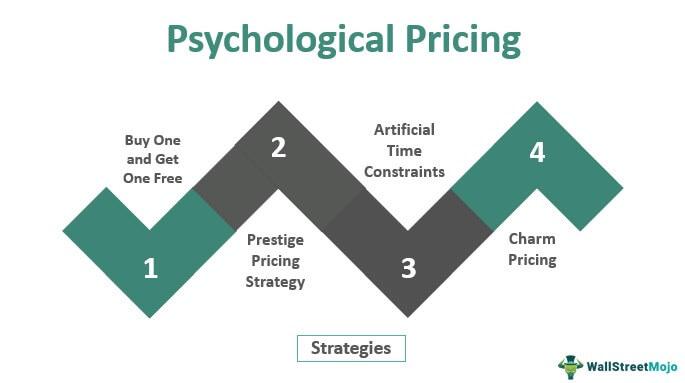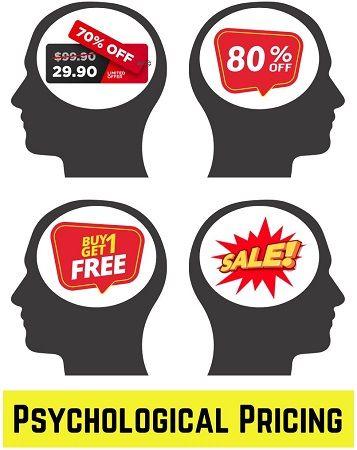

Imagine two shop windows on the same street. One screams RED TAGS and “50% OFF” in every pane; the other arranges items with subtle price cues, a clear value bundle, and a small “most popular” badge beside a mid-priced option. Both draw people in – but for different reasons. The first relies on volume and urgency; the second relies on perception and choice.
This article explores why the quiet art of pricing psychology often outperforms blunt discounts. Rather than simply chopping numbers, pricing psychology shapes how customers interpret value: it anchors expectations, highlights contrasts, creates perceived bargains without eroding margins, and guides decisions through framing and choice architecture. These techniques can convert interest into purchases while preserving brand equity and long-term profitability in ways that recurring discounts rarely do.We’ll unpack the core psychological levers – anchoring, decoys, price endings, bundling, and partitioned pricing – and show how they influence behavior more sustainably than price slashing. Along the way, we’ll consider when discounts still make sense and how to blend tactical promotions with strategic pricing to get the best of both worlds.
Anchor value not discounts: set reference prices that elevate perceived worth
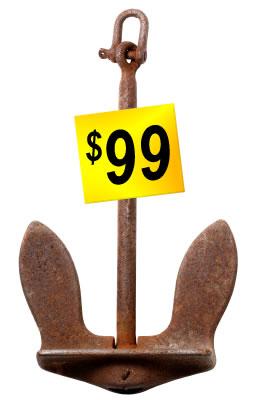
People buy on comparison,not arithmetic. Rather than shouting a reduced price, present a thoughtfully chosen reference point that makes the real offer feel like a win. A well-placed anchor – a premium model, an older MSRP, or a packaged bundle – shifts attention from the sticker to the story of value: craftsmanship, outcomes, or time saved. When the anchor is believable and clearly tied to benefits, customers mentally upgrade the baseline, and the actual price reads as smart, not merely cheaper.
- premium anchor: show a higher-tier option first to make the main product feel attainable.
- Bundled value: display a composite price for components vs. the packaged price to highlight savings without percent-offs.
- Contextual comparison: place the product next to alternatives (features,warranty,service) to justify the reference point.
Make the anchor visible and credible on product pages, email headers, and checkout prompts so it becomes the reference customers use to judge worth. Use concise copy to name what the anchor represents – e.g., “Pro kit value” or “Typical market cost” – and pair it with proof: specs, testimonials, or a short bulleted benefit list. This creates a reframed decision where price is one input among clear advantages, not the onyl argument.
| Anchor | Displayed | Perceived outcome |
|---|---|---|
| Pro Package | $499 | Premium quality |
| typical Market Cost | $379 | Smart choice |
| Single Unit | $259 | Easy entry |
- Test anchors: small copy tweaks change perceived value more than price cuts.
- Lead with benefit: the anchor must explain why it’s relevant, not just be a bigger number.
frame benefits and guarantees to shift attention from savings to outcomes
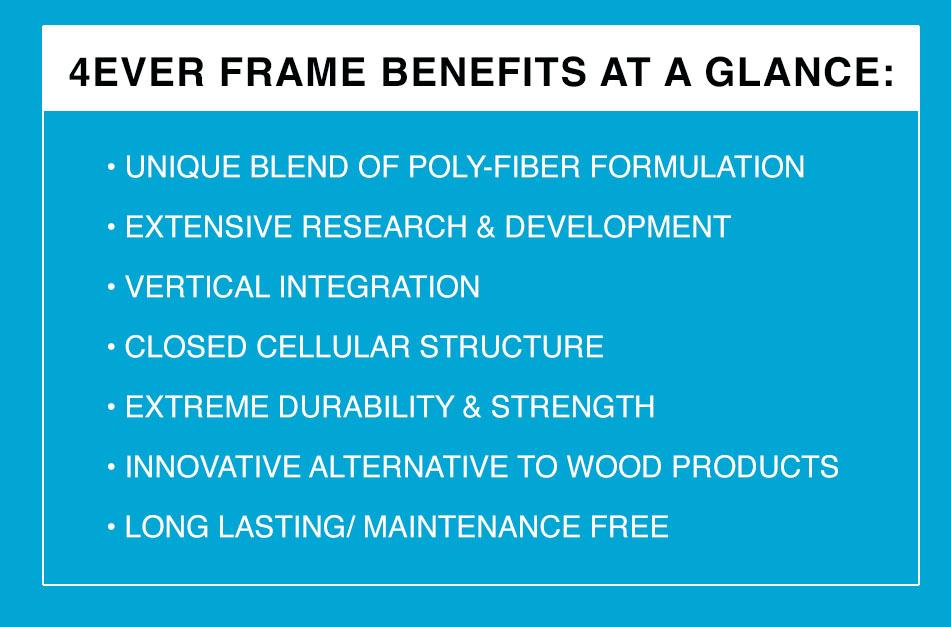
Make the promise about what life looks like after purchase, not how much they saved. Instead of shouting a percentage,describe the tangible result your product delivers - faster workflows,fewer headaches,measurable growth. When benefits are vivid, people mentally simulate the outcome and value becomes the anchor. Use copy that nudges imagination and trust: emphasize speed, certainty and simplicity.
- Time back: “finish X in half the time”
- Performance uplift: “Improve conversion by X%”
- Stress reduction: “Zero setup, instant support”
Guarantees remove risk and redirect attention from short-term savings to long-term gain. A clear, specific guarantee – money-back, uptime, or results-based – turns doubt into a decision shortcut. Below is a simple comparison you can paste into product pages or checkout flows to nudge prospects toward outcome-focused thinking:
| Discount-led | Outcome-led |
|---|---|
| “25% off today” | “Reduce onboarding time by 50% – or we’ll refund” |
| Price focus, short-term urgency | Value focus, reduced purchase anxiety |
Design choice architecture with decoy and tiered options to steer profitable decisions
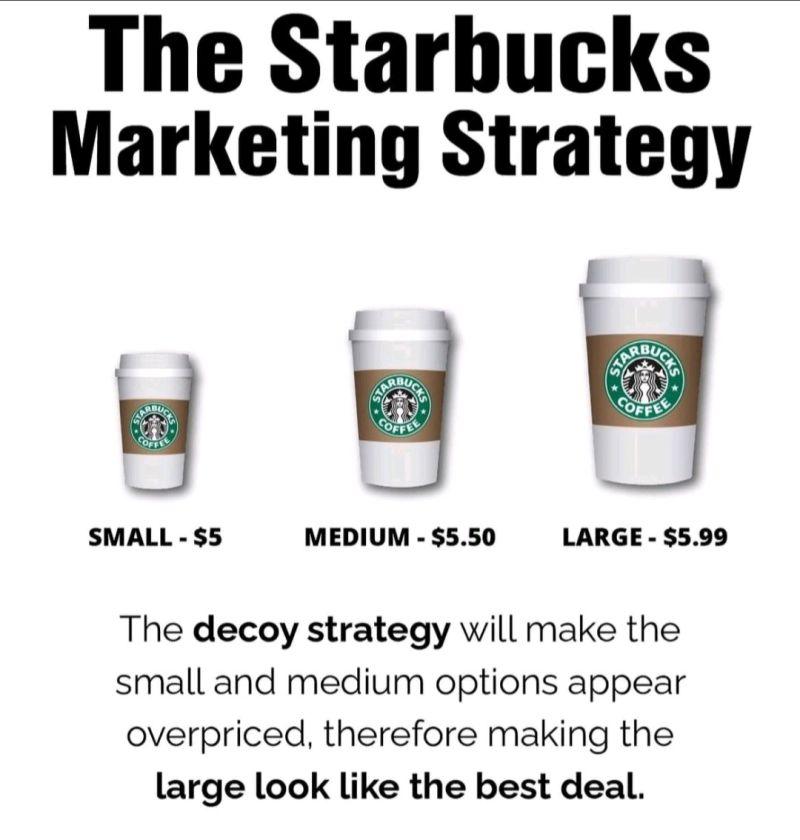
Turning a product menu into a revenue engine is less about slashing prices and more about sculpting perception. By presenting options so that one looks obviously superior-while another acts as a contrast-you nudge buyers toward the most profitable pick without overt pressure. Small changes in placement, labels and feature framing can turn an overlooked premium into the obvious value: emphasize one feature on the target plan, dim the extras on the decoy, and use a clear anchor price so the middle option appears sensible rather than expensive. Try these quick levers:
- Anchor a high-priced premium to make the mid tier feel reasonable
- Offer a deliberately weak cheap option to act as a decoy
- Highlight one or two headline benefits on the chosen plan
Measuring the uplift is straightforward and essential – tiny shifts in presentation often beat blanket discounts in margin-preserving lift. Use A/B tests that swap labels, change the decoy’s specs, or adjust spacing to see where conversion and average order value move together.Below is a simple creative example to visualize how a three-option layout can steer selection toward the most profitable choice:
| Plan | Price | Perceived Value |
|---|---|---|
| Starter | $9 | Basic, limited |
| Smart Pick | $29 | Best balance |
| Pro | $79 | Premium but pricey |
Adjust copy and visual emphasis around the bolded choice and watch profitable behavior become the path of least resistance.
Leverage price endings bundling and scarcity cues to boost perceived value
Small signals do the heavy lifting: a price that ends in .99 or .95 triggers the left‑digit bias and makes products feel cheaper without cutting margins, while cleverly assembled packages shift attention from raw price to perceived savings. Pairing charm pricing with bundles reframes the purchase – customers compare the unit value of the pack, not the sticker price - and a subtle note about availability nudges urgency without slashing cost. use these levers together and you shape a richer perception of value rather than eroding it with discounts.
Practical tweaks are low-cost and high-impact. Test endings that favor the left digit, present a clear per‑unit breakdown for bundles, and add honest scarcity cues (e.g.,low stock or limited-edition language) to increase conversion. Below is a tiny example of how framing changes perception:
| Offer | Price | Perceived Value |
|---|---|---|
| Single item | $20.00 | Fair |
| Charm priced | $19.99 | Better |
| Bundle + low stock | $49.95 (3 pcs) | Best |
Replace blanket promotions with targeted offers and time limited experiments to protect margins
Move away from one-size-fits-all markdowns and rather craft deals that speak to who the buyer is and why they buy. Small shifts-like offering exclusive access to repeat customers, framing a normal price next to a premium version, or nudging undecided shoppers with a limited-window add-on-preserve perceived value while protecting margins. Consider practical tactics that target intent and loyalty:
- Segmented perks – special pricing for high-LTV cohorts, not everyone.
- Behavioral triggers – pop-up offers for cart-abandoners, not blanket coupons.
- Loyalty windows – short, member-only windows instead of storewide sales.
- smart bundles - mix slower-moving items with bestsellers to raise ASP.
These choices create tailored incentives that feel earned, not expected.
Test, measure, and scale the small experiments that move the needle-urgency and framing often beat straight discounts. Run tight A/B tests with clear margin KPIs, and favor short durations so winners can be rolled out or killed quickly. Below is an example summary you might track during a two-week pilot:
| Experiment | Audience | Margin Impact |
|---|---|---|
| Email A/B: framed price | repeat buyers | +5% |
| Limited bundle | New visitors | +3% |
| Sitewide coupon | All users | -8% |
Use the results to measure, iterate, and scale the approaches that raise conversion without eroding profitability.
Measure lift with controlled tests and customer segmentation to optimize long term revenue
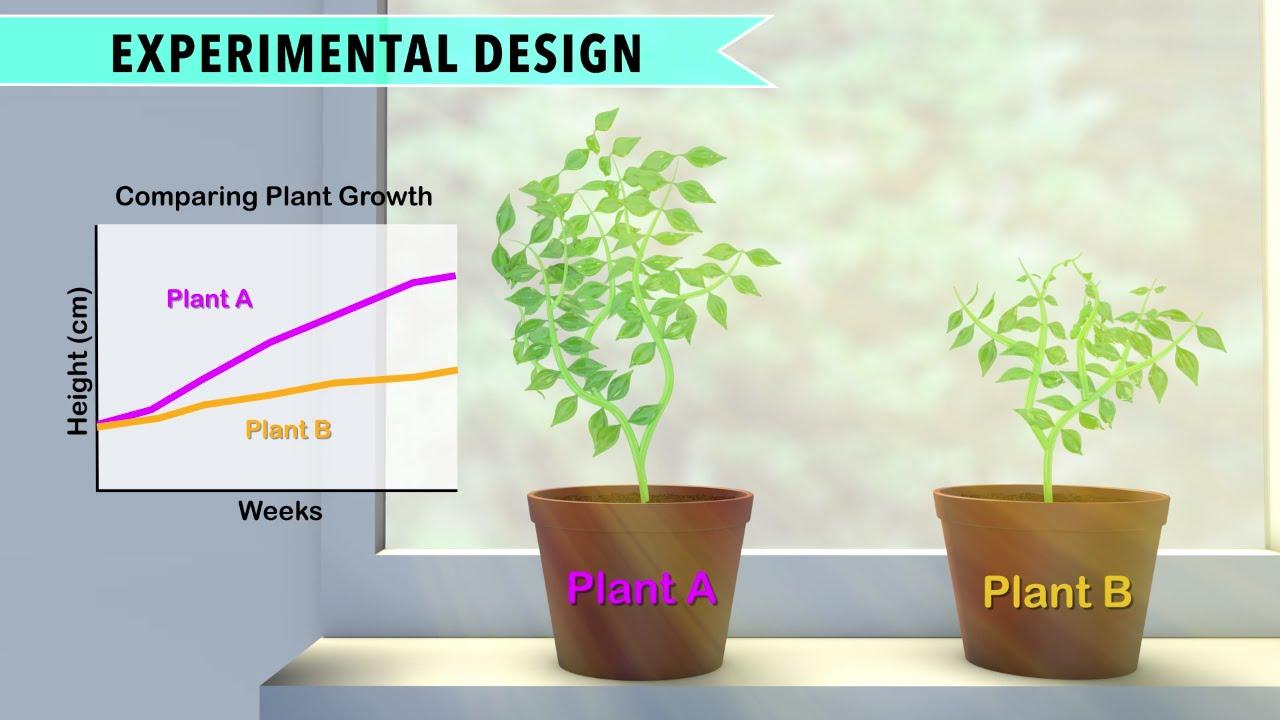
Run tightly controlled experiments that isolate the pricing treatment from other variables – think randomized holdouts, consistent timing, and a single hypothesis per test. Track short- and long-term signals so you don’t confuse a flash sale bump with sustainable value capture: conversion rate, average order value, retention (30/90-day) and customer lifetime value (LTV) are essential. Practical tips:
- Use holdout cohorts to measure true incremental lift.
- Pre-register success metrics and minimum detectable effect to avoid p-hacking.
- Run tests long enough to observe downstream churn or upgrade behavior.
carefully designed tests expose whether a framing tweak,a price structure change,or a persuasion cue generates durable revenue – not just a one-week spike.
Segment your audience before you test: behavioral cohorts respond differently to framing, anchoring, and explicit discounts, so a single aggregated result can hide big wins or losses. Create tailored hypotheses per cohort (e.g., trial users may react to scarcity cues, while long-term customers prefer value-added bundles) and measure uplift by cohort to guide rollout. A compact example of what to expect after a 90-day experiment:
| Segment | Winning Variant | 90‑day Revenue Lift |
|---|---|---|
| New users | Price anchoring | +12% |
| Loyal customers | Subscription framing | +7% |
| Price-sensitive | Micro-bundles (vs discounts) | +4% |
By combining controlled experiments with granular segmentation you turn pricing psychology from a hypothesis into a predictable lever for sustainable revenue growth.
To Wrap It Up
Think of discounts as fireworks: luminous, noisy and gone in a flash. Pricing psychology is the slow art of gardening – planting anchors, pruning choices, and cultivating perceived value so customers arrive at the decision you want without a short-lived adrenaline spike. The former wins immediate attention; the latter builds durable preference, protects margins and preserves brand meaning.
That doesn’t mean giveaways have no place. Tactical discounts can clear inventory or reward loyalty. But when discounting becomes the default playbook, you train customers to expect less and value less. By contrast, deliberate pricing techniques – anchoring, decoys, partitioning, charm pricing, and thoughtfully designed bundles – steer behavior subtly, increase willingness to pay and create pricing that feels fair rather than frantic.
If your goal is sustainable growth, treat price as a strategic lever, not just a markdown sticker. test small, measure rigorously, and design around the perceptions that actually drive purchase decisions. In the marketplace, clever price architecture outlasts clever sale signs – and yields returns that last well after the fireworks fade.