


In an age where the relentless march of progress often blurs the line between past and present, nostalgia has emerged as a powerful currency in the marketplace. From retro clothing lines that evoke memories of cherished childhoods to streaming services that revive beloved television shows, businesses are increasingly tapping into our collective yearning for simpler times. This phenomenon, aptly termed ”monetizing nostalgia,” highlights how brands skillfully weave threads from yesteryear into the fabric of contemporary consumer culture. In this exploration, we will delve into the strategies companies employ to ignite our fond memories, the psychological mechanisms behind our nostalgia-driven purchases, and the implications for the future of commerce in an ever-evolving landscape. Join us as we unpack the art and economics of nostalgia, revealing why looking back can be quite profitable in the present.
Understanding NostalgiaS Appeal in Consumer Behavior
Nostalgia is a powerful emotion that brands strategically tap into, leveraging its allure to create lasting connections with consumers.This emotional bond can substantially influence purchasing decisions, as it resonates with feelings of comfort and yearning for simpler times. Businesses often revitalize vintage products or employ retro marketing tactics, crafting not just goods but experiences that transport consumers back to their cherished memories. By invoking nostalgia, companies also cultivate a sense of community among their audiences, allowing customers to share their memories and experiences related to the brand.
Moreover, the success of nostalgia-driven marketing can sometimes be attributed to its ability to evoke a sense of belonging and identity. When consumers see a familiar product or advertisement from their past, it triggers a recognition that can lead to impulse purchases. Key factors include:
- Emotional Resonance: Memories attached to specific periods or events can evoke intense feelings.
- Shared Experiences: Products that remind groups of their collective past strengthen social bonds.
- Timelessness: Certain styles and themes are perpetually in vogue, making them appealing across multiple generations.
Reviving Retro Brands: Strategies for Successful Resurgence
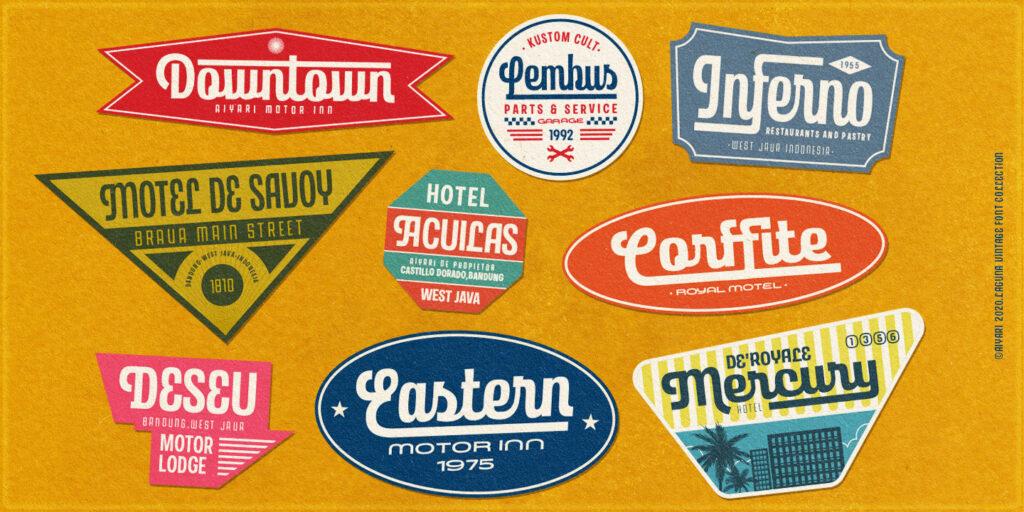
With an ever-increasing appetite for nostalgia, businesses can tap into retro brands by employing a variety of innovative strategies. Leveraging social media is crucial; platforms like Instagram and TikTok allow brands to share engaging visuals that evoke memories and spark interest among millennials and Gen Z consumers. By curating a visually appealing feed that showcases retro products through eye-catching designs, brands can create a sense of community around their nostalgic offerings. additionally,limited-edition releases coupled with countdowns can help generate excitement and urgency,encouraging fans to act quickly on their nostalgia-driven purchases.
Partnerships can also play a key role in revitalizing retro brands. Collaborating with contemporary artists or influencers who resonate with the brand’s history can create a fusion of old and new, appealing to a wider audience. As an example, co-branded merchandise that blends iconic elements with modern styles often attracts both older consumers who cherish the original brand and younger audiences eager for unique fashion statements. Other strategies to consider include:
- Interactive campaigns: Engage customers through online quizzes or polls that encourage them to share their favorite retro memories.
- Experiential marketing: Set up pop-up shops featuring retro themes, where consumers can immerse themselves in the brand’s history.
- Exclusive clubs or subscriptions: Offer memberships that provide early access to new launches or retro-inspired products.
The Power of Nostalgic Marketing: Crafting Campaigns That Resonate
Nostalgic marketing taps into the collective memories of consumers, evoking feelings of comfort and familiarity. By leveraging the emotional pull of past experiences, brands can create campaigns that feel personal and engaging. Consider the following components that make nostalgia an invaluable tool in marketing:
- Emotional Connection: Nostalgia evokes warm feelings, drawing consumers closer to the brand.
- Relatable Themes: Campaigns that reference familiar culture or past moments resonate deeply with target audiences.
- Visual Aesthetics: Employing retro visuals and designs reinforces the nostalgic sentiment.
- storytelling: Weaving personal stories or historical references enhances the emotional narrative.
When implemented effectively, nostalgic marketing not only captures attention but also drives consumer loyalty and sales. Take a look at how various brands successfully monetize nostalgia:
| Brand | nostalgic Element | Outcome |
|---|---|---|
| Coca-Cola | Retro Ads & Vintage Bottles | Increased Brand Affinity |
| LEGO | Classic Sets Relaunch | Boost in Sales & Engagement |
| Netflix | Reviving Classic Shows | Audience growth & Subscriptions |
Leveraging Social Media to Amplify Nostalgic Connections
In the digital age, social media platforms act as vibrant playgrounds where nostalgia can thrive. Businesses can tap into this sentiment by creating content that resonates with the feelings of yesteryears.Engaging posts can take various forms, such as:
- throwback Thursdays: Sharing classic ads, product launches, or memorable events that shaped the brand.
- Memory-based Polls: Encouraging followers to vote on their favorite products or experiences from the past, thereby increasing engagement.
- Nostalgic contests: Utilizing user-generated content where customers share their own nostalgic moments with the brand for a chance to win prizes.
Creating this surroundings encourages emotional connections, enabling brands to not only amplify their outreach but also cultivate a loyal customer base. A few strategies to leverage include:
| Strategy | Description |
|---|---|
| Storytelling | Crafting narratives around your brand’s history that resonate with your target audience. |
| Visual Content | Using old photos, videos, and graphics that evoke a sense of familiarity. |
| Influencer Collaborations | Partnering with influencers who embody the nostalgia the brand represents. |
creating Experiences: How Events and Pop-Ups Drive Nostalgia-Based Sales

Nostalgia is not just a fleeting emotion; it’s a powerful motivator that businesses can harness through carefully curated events and pop-up experiences. These unique gatherings create an environment that resonates with customers on a personal level, evoking memories and feelings associated with specific times or trends. For example, a pop-up shop themed around the 90s can attract visitors by offering iconic merchandise, including:
- Classic video games
- Retro fashion items
- Memorable snacks and beverages
By strategically designing these experiences, brands can transform their spaces into immersive time capsules, encouraging customers to engage with products they remember fondly. moreover, these events often feature interactive elements, allowing attendees to relive cherished memories while fostering a sense of community. Consider the following ways businesses can elevate their nostalgia-driven experiences:
| Event Type | Experiance Offered |
|---|---|
| reunion Parties | Themed photo booths with props from the era |
| Seasonal Festivals | Live music featuring classic hits |
| product Launches | Preview of retro-inspired product lines |
Sustaining Interest: Balancing Nostalgia with Innovation in product Development

In the dynamic landscape of product development, striking a balance between nostalgia and innovation is crucial for capturing the attention of consumers. Businesses often tap into cherished memories from the past, using familiar themes and aesthetics to evoke strong emotional connections. This strategy not only enhances customer loyalty but also creates a distinctive brand identity.To successfully implement this approach, companies need to consider:
- Consumer Trends: Staying updated on what resonates with your target audience.
- Emotion-Driven Design: Employing design elements that trigger nostalgia while still appealing to modern sensibilities.
- Limited Editions: releasing special products that celebrate iconic aspects of the past can catalyze excitement.
However, while nostalgia serves as a powerful tool, it must be paired with fresh, innovative elements to keep pace with consumer expectations. Balancing the familiar with the new involves understanding current market demands and integrating them with retro-inspired designs. Consider utilizing the following strategies:
| Strategy | Description |
|---|---|
| Modern Adaptations | Reimagining classic products or styles with contemporary technology and functionality. |
| Collaborations | Partnering with nostalgic brands or influencers to create buzz and cross-generational appeal. |
| User Involvement | Encouraging customers to share their memories or ideas for future products through social media. |
Q&A
Q&A: Monetizing Nostalgia – How Businesses Profit from the Past
Q1: What is nostalgia, and why is it significant in marketing today?
A: Nostalgia is a sentimental longing for the past, often associated with childhood memories or significant life events. In today’s fast-paced world, consumers find comfort in familiar experiences, making nostalgia a powerful tool for marketers. Businesses leverage this emotional connection to create a sense of belonging and warmth, ultimately driving customer engagement and loyalty.
Q2: How do brands incorporate nostalgia into their marketing strategies?
A: Brands utilize nostalgia in various ways, such as reviving vintage products, using retro packaging, or referencing popular culture from previous decades in advertisements. Campaigns might feature throwback music, iconic logos, or classic imagery, aiming to evoke fond memories and positive associations. This approach resonates particularly well with millennials and Gen Z consumers who seek authenticity and relatability in brand storytelling.
Q3: Can you provide examples of businesses successfully leveraging nostalgia?
A: Certainly! Consider Coca-Cola’s “Share a Coke” campaign,which brought back classic bottle designs featuring popular names from the past. Similarly, LEGO has successfully launched retro-themed sets based on beloved franchises like Harry Potter and star Wars.Even fast-food chains like McDonald’s have revisited their original menu items or promotional toys, tapping into the collective memory of customers who grew up with these brands.
Q4: What psychological effects does nostalgia have on consumers?
A: Nostalgia can elicit positive emotions, reduce stress, and enhance mood, creating a ‘feel-good’ connection to brands. It fosters a sense of comfort, belonging, and identity, frequently enough making consumers more likely to engage with nostalgic products. This emotional resonance can also increase brand loyalty, as customers associate positive memories with their purchasing decisions.
Q5: Are there any risks associated with nostalgia marketing?
A: Yes, there are potential pitfalls. If a brand’s nostalgic references feel inauthentic or forced, it can backfire and alienate consumers. additionally, over-reliance on nostalgia might inhibit innovation, as businesses risk becoming stagnant if they focus only on past successes.Striking the right balance between honoring tradition and embracing contemporary trends is essential for enduring success.
Q6: How do social media platforms amplify nostalgic marketing efforts?
A: Social media platforms serve as vibrant channels for nostalgia-driven content, allowing brands to share throwback posts, engage with consumers through hashtags, and create viral challenges around nostalgic themes. The shareable nature of social media enables users to connect and reminisce collectively, which enhances the impact of nostalgia marketing campaigns. brands can tap into trends and memes that resonate with specific age groups, amplifying their reach and engagement.
Q7: What does the future hold for nostalgia in business?
A: As consumers increasingly prioritize experiences and emotional connections with brands,nostalgia is likely to remain a potent marketing tool. The challenge for businesses will be to innovate within this nostalgia framework, blending modern sensibilities with cherished memories.As new generations come into play, brands will need to adapt their nostalgic themes to resonate with emerging cultural references while maintaining the emotional depth that drives nostalgia’s appeal.
Insights and Conclusions
As we journey back through the winding corridors of memory,it becomes clear that nostalgia is more than just a fleeting sentiment; it is a potent catalyst for commerce. Businesses that harness the allure of the past not only tap into a deep-seated emotional connection in consumers but also unlock a treasure trove of opportunities for innovation and growth.by weaving familiar elements of yesteryears into their products and marketing strategies, they cultivate a sense of familiarity and comfort that resonates across generations.
In a world that often feels chaotic and uncertain, the past offers a sanctuary—a reminder of simpler times, cherished experiences, and enduring values. Whether through retro packaging, vintage-inspired designs, or the revival of beloved brands, the art of monetizing nostalgia is a testament to the timeless interplay between memory and desire. As companies continue to explore this rich vein of human experience, we can anticipate a future where the echoes of yesterday not only shape our present but also guide our aspirations for tomorrow.
In closing, as we reflect on how nostalgia can bridge the gap between generations and foster connection in a fast-paced world, it becomes evident that the past is more than a memory to be cherished—it’s a resource to be wisely cultivated. the challenge, then, for businesses lies in striking the perfect balance between honor and reinvention, reminding us all that while the sands of time may shift, the allure of nostalgia will always endure.