



in an increasingly interconnected world, the boundaries that once defined where businesses operate are becoming increasingly porous. “Business Without Borders: When Companies Operate Without a Home Country” delves into the fascinating landscape where customary notions of nationality and corporate identity blur. As technology facilitates global collaboration and economic landscapes shift, an emerging breed of companies emerges: entities that thrive beyond the constraints of a singular homeland. This article invites you to explore the motivations, challenges, and implications of operating in a borderless business habitat, where strategies are as diverse as the locales in which thay engage. Join us on this journey to uncover what it truly means to be a global citizen in the corporate world—an exploration not just of commerce, but of identity, innovation, and the new economics of cooperation.
Exploring the Rise of Global Nomadic Corporations
The increasing rise of corporations operating without a fixed geographical base signifies a profound shift in the global economy. These nomadic entities thrive on the adaptability and advantages offered by technological advancements, allowing them to tap into diverse markets without the constraints of traditional business hierarchies. key characteristics of these corporations include:
- Decentralized Teams: Embracing remote work, team members can be located anywhere in the world, contributing unique perspectives and expertise.
- Agile Operations: The absence of a physical headquarters enables swift decision-making and adaptability to shifting market demands.
- Global Talent Pool: Companies can select the best talent without geographical limitations, enhancing innovation and creativity.
- Cost Efficiency: Reduced overheads come from eliminating the necessity for traditional office spaces and associated expenses.
To better understand how these corporations navigate this borderless business landscape, it’s helpful to examine some notable examples and their operational strategies. Below is a summary table illustrating various nomadic corporations and their distinctive approaches:
| Company | Industry | Operational Model |
|---|---|---|
| Hotjar | Web Analytics | Fully remote team with a focus on user feedback |
| Buffer | Social Media Management | Distributed workforce with transparent practices |
| GitLab | Software Development | All-remote company with open-source collaboration |
Navigating Legal Landscapes in a Borderless Economy
In an era where businesses frequently enough transcend geographical boundaries, the legal frameworks governing them become increasingly complex. Companies operating without a home country must navigate a myriad of regulations that can vary substantially from one jurisdiction to another. Key considerations include:
- Tax Obligations: Understanding varying tax laws in different countries is crucial for compliance and financial planning.
- Employment Laws: Varying labor regulations can impact workforce management and employee rights.
- Intellectual Property: Protecting innovations across borders requires a keen understanding of international IP laws.
Additionally, technology and digital platforms introduce unique challenges. Companies must be vigilant about:
- Data Privacy Regulations: GDPR and other privacy laws can impose hefty fines for non-compliance.
- Cross-border Payments: Navigating financial regulations around international transactions is paramount.
- Contract Enforcement: The enforceability of contracts can vary dramatically between different legal systems.
Strategies for Building a Flexible Workforce Across Continents

Building a workforce that spans across continents requires a thoughtful and strategic approach to ensure flexibility and responsiveness to the ever-changing global landscape. One effective strategy is to implement cloud-based collaboration tools that facilitate real-time dialogue and project management. these platforms not only bridge the time zone differences but also promote inclusivity by allowing teams to share ideas and resources effortlessly. To complement technology, fostering a culture of trust and autonomy empowers employees in different regions to take ownership of their work, leading to enhanced productivity and innovation.
Moreover, embracing diversity in hiring practices can significantly enrich the company culture and drive creative problem-solving. Tapping into local talent pools allows businesses to leverage unique insights and perspectives that are crucial for operations in various markets. Companies can also consider establishing regional task forces that focus on specific areas of the business, ensuring that local teams are equipped to respond swiftly to market demands. This multifaceted approach can be effectively summarized as follows:
| Strategy | Description |
| Cloud-Based Tools | Enhance real-time collaboration and communication among remote teams. |
| Culture of Trust | Encourage autonomy and ownership among global team members. |
| Diversity in Hiring | incorporate varied perspectives to fuel innovation and creativity. |
| Regional Task forces | focus on localized strategies adapted to specific market needs. |
harnessing Technology to facilitate a Home-Free Business Model
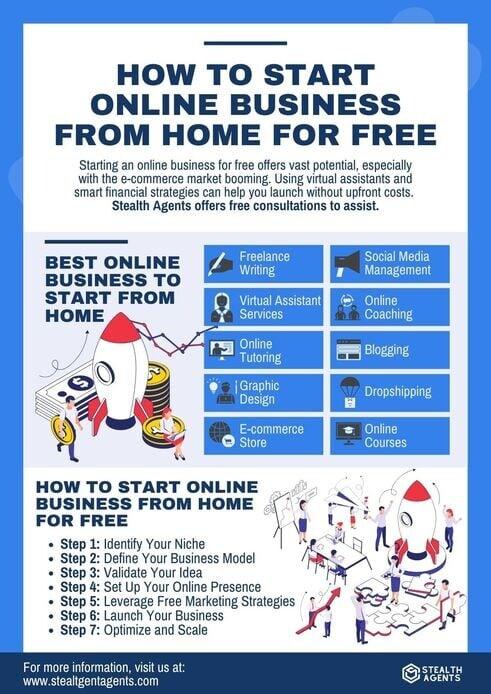
In an increasingly digital world, the flexibility of remote operations has allowed businesses to thrive without the constraints of geographical boundaries. Companies are utilizing an array of innovative tools to create a seamless virtual workplace, enabling collaboration between teams scattered across the globe. Some of the key technologies that facilitate this new paradigm include:
- Cloud Computing: Platforms like Google Drive and Dropbox allow for easy document sharing and real-time collaboration.
- Project Management Software: Tools such as Trello or Asana help keep projects on track, ensuring that everyone is aligned nonetheless of location.
- communication Tools: Applications like Slack and Zoom enable instant messaging and video conferencing, fostering a sense of community among remote workers.
The ability to operate without a traditional home base also presents a host of operational advantages. This model allows businesses to reduce overhead costs, scale quickly, and tap into diverse global talent pools. By adopting a data-driven approach and leveraging analytics, companies are positioned to make informed decisions in real-time, thereby enhancing efficiency and responsiveness. Here’s a fast glimpse of how companies can maximize the benefits of a home-free business model:
| Aspect | Benefit |
|---|---|
| Cost Efficiency | Reduced office space and utilities |
| Scalability | Rapid adjustment to market demands |
| Diversity | Access to global talent and perspectives |
Balancing Innovation with Ethical Responsibility in a stateless Context

As businesses transcend traditional borders, they encounter the challenge of maintaining ethical standards without a familiar regulatory framework. In the absence of a steadfast home country, companies can easily fall into the trap of prioritizing rapid growth over social responsibility. To navigate this delicate balance, firms must proactively adopt a framework for ethical decision-making that transcends geographical boundaries. This might involve establishing internal policies that reflect global best practices, adhering to international labor standards, and engaging with local communities to understand their needs better.Such purposeful measures not only prevent unethical practices but also enhance the company’s reputation and stakeholder trust, ultimately benefiting the business in a global market.
Moreover, the influence of technology plays a pivotal role in shaping an ethical landscape in a stateless context. With the rise of big data,privacy concerns become paramount; businesses must consider how personal information is collected,stored,and utilized across various jurisdictions. By leveraging transparency and accountability,companies can build a lasting model that respects user privacy while promoting innovation.It is essential to foster a culture where ethical responsibility sits alongside technological advancement.This harmonious relationship can be elegantly represented in the following table:
| Ethical Consideration | Innovative Practice |
|---|---|
| Data Privacy | Implement GDPR-aligned practices globally |
| Fair Labor | Adopt transparent supply chain audits |
| Environmental Responsibility | Invest in sustainable technologies |
Future Trends: The Evolution of Business Identity in a Globalized world

the concept of business identity is rapidly transforming as organizations increasingly transcend traditional borders.In a globalized landscape, companies are redefining what it means to be “rooted” in a specific location. Instead of being bound by geographical constraints, businesses are leveraging technology and innovative models to operate seamlessly across the globe. As an inevitable result, they are cultivating a new identity that hinges on their values, mission, and customer engagement rather than their physical location. This shift promotes an agnostic approach to borders, enabling firms to tap into diverse markets while navigating complex international regulations, cultural nuances, and local customer preferences.
Future trends indicate that successful enterprises will adopt a more fluid identity that embraces flexibility and adaptability. The rise of remote work and digital nomadism is a prime example of how talent is increasingly untethered from a single hometown. Companies can now hire the best talent globally, leading to more diverse teams and innovative strategies. By fostering a borderless workplace, organizations can enhance collaboration and creativity, which will be paramount in determining future competitive advantages. Furthermore, businesses will need to prioritize fundamentals such as sustainability and social responsibility, which resonate across cultures and form the backbone of a strong, globally embraced identity.
Q&A
Q&A: Business Without Borders: When Companies Operate Without a Home Country
Q1: What does it mean for a company to operate without a home country?
A: When a company operates without a home country, it means that its operations, management, and legal structure do not anchor itself to a single nation-state. Rather, these businesses leverage technology, global supply chains, and diverse workforces to operate across multiple countries, frequently enough registering in jurisdictions with favorable regulations or taxes, rather than being tethered to a traditional national identity.
Q2: what are the main reasons companies choose a borderless business model?
A: Companies may embrace a borderless business model to capitalize on global markets, reduce operational costs, and navigate regulatory environments that offer greater flexibility. Factors such as access to a wider customer base, the pursuit of skilled talent worldwide, innovative technology, and reduced tax liabilities can influence this decision. Additionally, the digital transformation has made it easier for businesses to function without a centralized location.
Q3: What are the potential advantages of a business operating without borders?
A: A borderless business can enjoy several advantages,including increased market opportunities,reduced operational costs,and flexibility in staffing and resources. Companies can adapt quickly to international market trends, experiment with different business strategies, and remain agile in a dynamic global economy. Moreover, leveraging diverse perspectives from an international workforce can lead to enhanced innovation and creativity.
Q4: Are there risks involved in this business model?
A: Absolutely. Operating without a home country can expose businesses to various risks,including legal and regulatory challenges,tax complications,and reputational issues. Companies may face difficulties navigating different laws, customs, and cultural expectations across regions, which can lead to misunderstandings or compliance problems. Additionally, geopolitical changes can impact their operations, supply chains, and market access.
Q5: How has technology influenced the ability of companies to operate without borders?
A: Technology has been a game-changer,enabling seamless communication and collaboration across geographical divides.With advancements in cloud computing, remote work tools, and e-commerce platforms, companies can now conduct business, manage teams, and serve customers globally without the need for a physical presence in every location. This connectivity allows businesses to function efficiently and strategically in a borderless landscape.
Q6: Can you provide examples of companies that successfully operate without a home country?
A: Certainly! Companies such as Shopify, Airbnb, and numerous tech startups exemplify borderless business models. Shopify enables entrepreneurs worldwide to create online stores without being tied to a specific location, while Airbnb functions as a global marketplace for lodging and travel experiences. These companies have harnessed the power of the internet and digital platforms to thrive in diverse markets, proving that a home country can be a concept rather than a necessity.
Q7: What does the future hold for companies operating without borders?
A: The future seems promising for these borderless enterprises, as globalization continues to deepen and technology evolves. Though, they will need to navigate evolving regulations, sustainability pressures, and changing consumer expectations in a post-pandemic world. As businesses increasingly embrace hybrid models and remote work permanencies, the borderless approach is likely to become more common, challenging traditional notions of corporate identity and operations.
Q8: What can traditional businesses learn from borderless companies?
A: Traditional businesses can glean valuable insights from borderless companies about adaptability, innovation, and the importance of a global viewpoint. By embracing agility, leveraging technology, and exploring international collaborations, traditional firms can remain competitive. Additionally, fostering a diverse workforce and cultivating an inclusive culture can further drive creativity and resilience in a rapidly changing market environment.
To Conclude
As we navigate the landscape of modern business, the boundaries that once defined corporate identity and citizenship are becoming increasingly blurred. “Business Without Borders” illustrates not only the adaptability of companies in the face of an evolving global marketplace but also the opportunities and challenges that arise from a life unanchored by a specific geographic home.
In an era where digital connectivity fosters unprecedented collaboration and innovation, organizations can thrive on a global scale, tapping into diverse resources and talents that transcend borders. Yet, this newfound freedom prompts essential questions about accountability, ethical practices, and the implications of operating without a defined homeland.
As we close this examination, it’s clear that the allure of a borderless business landscape holds both promise and peril. The future will belong to those companies that can craft a narrative of purpose, establish accountability, and build sustainable practices—all while embracing the dynamic nature of a world without walls. In this ever-evolving journey, the choice to remain afloat in international waters is not just a strategic decision but a philosophical one, inviting a deeper reflection on what it truly means to be a global citizen in business.