


Selling Digital Immortality: The New Market for Virtual Afterlives
As the boundary between the physical and digital worlds continues to blur, a groundbreaking phenomenon is emerging at the intersection of technology and human existence: digital immortality. Picture a future where memories, personality traits, and cherished experiences can be preserved, curated, and accessed long after our earthly departure. This burgeoning market for virtual afterlives is not merely a concept confined to the realm of science fiction; it is quickly evolving into a commercial reality.companies are racing to capture a slice of this profound new landscape, offering innovative services that promise continuity beyond death, transforming the way we confront mortality and legacy. In this exploration of digital immortality, we will delve into the ethical implications, the technological advancements driving this market, and the individual choices that shape our digital legacies, inviting you to consider a future where the essence of who we are may not only be remembered but lived on in perpetuity.
Exploring the Concept of Digital Immortality and its Appeal
The allure of digital immortality stems from our intrinsic desire to preserve our identities and legacies beyond the constraints of physical existence. As technology advances, the notion of achieving a virtual afterlife becomes increasingly plausible. people are captivated by the idea of continuing their consciousness in the digital realm, whether through advanced AI simulations or curated online personas. the emotional pull is significant; many view this as a way to maintain relationships with loved ones, share wisdom, or simply exist in a familiar digital landscape. The potential for a perpetual connection to the world, devoid of the limitations of mortality, resonates deeply with those yearning for permanence in a transient world.
Digital immortality not only offers a pathway for personal legacy but also presents intriguing societal implications. The emergence of services focused on preserving and animating one’s digital presence has birthed a new market, catering to a diverse customer base. From virtual memorials to interactive avatars that can engage in conversation,the possibilities are nuanced and varied. The underlying technology relies on collecting and interpreting vast amounts of data about an individual’s personality and preferences, resulting in offerings that may include:
- Customized digital avatars that mimic deceased individuals’ speech and behavior.
- Virtual reality experiences that recreate significant moments in one’s life.
- Interactive memorials where family and friends can engage with an everlasting digital presence.
As the lines blur between existence and representation, the appeal of a digital afterlife surpasses mere curiosity—it becomes a profound exploration of what it means to live eternally, even if only in bytes and pixels. The quest for digital immortality invites us to ponder the implications of our online legacy, affirming that in an age where everything is stored, shared, and shaped by technology, our identities might indeed transcend the grave.
Understanding the Technologies Behind Virtual Afterlives
As we delve into the intricate web of digital immortality, it’s essential to recognize the role of various technologies that fuel this burgeoning market. Emerging advancements in artificial intelligence, virtual reality (VR), and augmented reality (AR) have created immersive experiences that allow us to interact with digital renditions of our loved ones. AI algorithms, combined with vast databases of collected data, empower these avatars to mimic personalities, speech patterns, and even emotional responses. This technology not only preserves the essence of individuals but also offers interactive experiences that can ease the mourning process for the bereaved.
Furthermore, blockchain technology plays a pivotal role in ensuring the integrity and security of these virtual afterlives. By storing data in a decentralized manner, blockchain protects users’ digital identities and legacies from unauthorized access and potential manipulation. This technology fosters trust and transparency, which are vital in navigating the complex ethical landscape surrounding digital reincarnation. The intersection of these technologies paves the way for a sustainable market, where companies are racing to develop tailored solutions for creating, managing, and experiencing virtual afterlives.
| Technology | Function | Impact on Virtual Afterlives |
|---|---|---|
| Artificial Intelligence | Mimics personality and behavior | Creates lifelike avatars for interaction |
| Virtual Reality | Provides immersive experiences | Allows users to engage in shared memories |
| Blockchain | Ensures data integrity and security | Protects digital legacies from tampering |
The Ethical Implications of Selling Digital Eternity
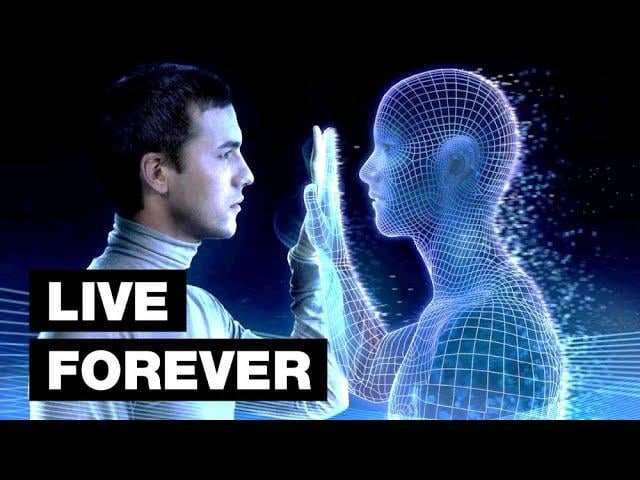
As technology advances, the concept of digital eternity presents a labyrinth of ethical dilemmas that challenge our understanding of life, death, and remembrance. The commodification of personal identities invites questions about ownership, authenticity, and the potential for exploitation.For instance, one might wonder if families could be coerced into purchasing representations of loved ones, reinforcing the notion that grief can be commercialized. Furthermore, the existence of varied platforms offering different virtual afterlives raises concerns about equality and access; will only those with financial resources be able to secure their digital legacies while marginalizing less affluent individuals?
The preservation of a digital self also poses profound questions about what constitutes a meaningful existence. Is a life lived online truly reflective of the individual,or merely a façade? This dilemma extends into issues of consent and privacy,particularly when considering the data often harvested from users for these virtual experiences. Consider the complexities around user agreements that individuals scarcely read or understand; many may not realize what they are relinquishing in exchange for a digital afterlife. As we delve deeper into this evolving market, it becomes increasingly critically important for society to engage in robust discussions about the moral implications of living on after death through technology.
Market Trends and Consumer Demand in Digital afterlife Services
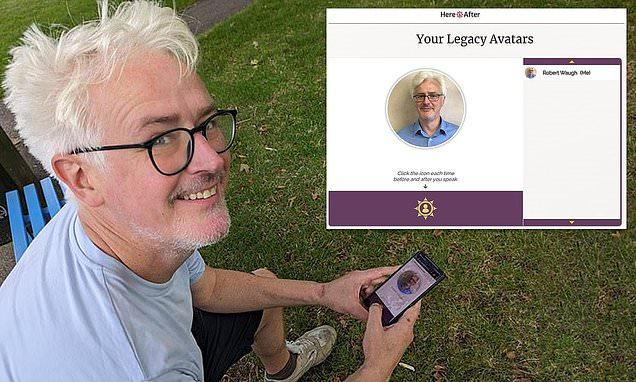
The concept of digital afterlife services is gaining significant traction, spurred by technological advancements and shifting societal attitudes towards death and remembrance.As more individuals embrace a digital presence throughout their lives, they are beginning to extend that presence into the afterlife. Factors influencing this trend include:
- Increased Internet Usage: With billions of users worldwide, the digital landscape serves as a vibrant repository of memories, creating a substantial demand for preserving digital identities after death.
- Social Media Integration: platforms like Facebook and instagram are adapting to offer memorialization features, reflecting a growing recognition of online legacies.
- Emotional Connection: Many individuals seek to maintain a connection with deceased loved ones, making digital memorial services more appealing.
Consumer demand for personalized digital afterlife experiences is evolving, leading to innovative offerings designed to cater to diverse needs and preferences.Companies are increasingly providing a range of services, including:
| Service type | description |
|---|---|
| Digital Memorials | Customizable websites where family and friends can leave tributes and share memories. |
| Virtual Reality Experiences | Immersive environments that allow users to interact with a lifelike avatar of the deceased. |
| AI Companionship | Intelligent chatbots designed to simulate conversations with the deceased using their online data. |
Navigating the Challenges of Consent and Legacy in Digital Afterlife transactions

The concept of digital afterlives invites a complex interplay of emotions, ethics, and technology as individuals navigate the often murky waters of consent and legacy. As more people turn to virtual platforms to carry on their memories, questions arise about who truly holds the right to manage these digital legacies. Online memorials, virtual avatars, and digital assets contribute to an evolving landscape, whereby the deceased’s identities are preserved, edited, or even monetized without clear guidelines. This raises concerns around the authenticity of consent, especially when family members step in to manage the deceased’s digital presence. Navigating these emotional terrains calls for transparency, where consent is established well before one passes, ideally through legally binding documents or digital directive tools.
Moreover, the legacy element of digital afterlives becomes intricate with the diversity of platforms and the varying degrees of control they offer over personal data. Families and beneficiaries often unknowingly stumble upon legal loopholes and corporate policies they didn’t anticipate. Key considerations for stakeholders include:
- Ownership – Who truly “owns” the deceased’s digital legacy?
- Access Control – How can loved ones gain access without infringing on privacy?
- Data Portability – Can digital assets be transferred to another platform or deleted?
A unified framework to address these issues can ensure that digital legacies remain authentic and respectful, fostering a more sustainable approach to digital immortality transactions.
Strategies for Entrepreneurs in the Emerging Market of Virtual Immortality

As the concept of digital immortality gains traction,entrepreneurs must adopt innovative strategies to distinguish their offerings in this fledgling market. Targeting specific demographics is crucial; as an example, tech-savvy millennials might potentially be more receptive to virtual afterlives that leverage cutting-edge technology, while older generations may seek more nostalgic or traditional representations. Entrepreneurs could also explore partnerships with established brands in the tech and wellness sectors, creating experiential packages that enhance the appeal of digital afterlives. Utilizing social media marketing and engaging storytelling can create a compelling narrative around the product, highlighting personal connections and memories preserved through virtual platforms.
Moreover, developing a user-friendly interface and experience is essential for maximizing customer satisfaction. Offering subscription models allows clients to continually update their profiles and experiences, adding new layers to their digital legacy. Conducting surveys and utilizing data analytics can provide insightful feedback on consumer preferences, enabling continuous advancement of the service. To illustrate varying offerings, the following table outlines potential services and their target demographics:
| Service Type | Target Demographic | Unique Feature |
|---|---|---|
| Virtual Memorial Rooms | Older Adults | Customizable Themes Reflecting Personal History |
| AI-Driven Avatar conversations | Young Professionals | Interactive Q&A with Family Members |
| Legacy Video Messages | Families | Submit Questions for Future Video Responses |
Q&A
Q&A: Selling Digital Immortality – The New Market for Virtual Afterlives
Q: what is digital immortality?
A: Digital immortality refers to the concept of preserving an individual’s persona, memories, experiences, and even consciousness in a virtual format, allowing them to exist in a digital afterlife. This concept has gained traction as technology evolves, enabling more sophisticated methods for capturing a person’s essence through AI, virtual reality, and other digital platforms.
Q: How does the market for digital immortality work?
A: The market has emerged through companies offering services that can create digital avatars or profiles based on a person’s digital footprint (social media, photos, texts, etc.). Some businesses provide platforms where these avatars can interact with the living and share knowledge or memories. There’s a wide array of offerings, from basic memory archives to advanced AI-driven companions that simulate conversation.
Q: Who is interested in purchasing digital immortality services?
A: The target demographic ranges from those motivated by the desire for eternal connection with loved ones—frequently enough following a loss—to individuals fiercely protective of their legacies. Additionally, tech enthusiasts and futurists may invest in these services, viewing them as a form of extension rather than replacements of physical experiences.
Q: What are some ethical considerations surrounding digital immortality?
A: Ethical dilemmas include the potential for consent issues—how do we ensure that a person’s digital presence reflects their wishes? There’s also the concern about authenticity: does a digital being accurately represent the deceased? Lastly, the commercialization of death can raise questions about commodifying human experience and memory.
Q: How can digital immortality impact the grieving process?
A: Digital immortality might provide comfort by allowing individuals to maintain a connection with lost loved ones. Though, it could also complicate the grieving process, making it harder for some people to let go or to reconcile the past with their current lives. The effect varies considerably from person to person.Q: Are there any technologies driving this trend forward?
A: yes! Artificial intelligence, machine learning, and virtual reality are pivotal in this realm.AI analyzes vast amounts of data to recreate speech patterns and personality traits, while VR offers immersive environments for users to interact with digital avatars, replicating shared experiences in a wholly new dimension.
Q: What does the future of digital immortality look like?
A: The future is still being shaped, but it holds potential for significant growth and innovation. As technology advances, we can expect more nuanced and sophisticated iterations of digital immortality—some may even argue that future iterations could lead to experiences indistinguishable from real-life interactions. However, this evolution will necessitate ongoing discussions around ethics, mental health, and the importance of authentic human relationships.
Q: How can one prepare for digital immortality?
A: Preparing generally involves curating a digital legacy by systematically collecting various forms of media—photos,videos,written works,and voice recordings. Engaging in discussions about one’s legacy and preferences with loved ones is also crucial. Lastly, exploring and selecting companies that align with your values can ensure that your digital afterlife aligns with your vision of continuity.
Q: What are the implications for society at large?
A: Society may see shifts in how we perceive death, memory, and legacy. Digital immortality can challenge traditional notions of mortality and may foster conversations around what it truly means to live and die. this could lead to broader shifts in cultural attitudes toward remembrance, legacy, and even technological reliance.
Ultimately, as the market for digital immortality continues to evolve, it will continue to stimulate questions that weave together technology, philosophy, and the very essence of what it means to be human.
Key Takeaways
As we stand at the crossroads of technology and human existence, the emergence of digital immortality challenges our traditional notions of life and afterlife. the market for virtual afterlives is not merely a reflection of our desire for permanence but also a testament to our evolving relationship with memory, identity, and legacy. In selling the idea of digital immortality, we are navigating uncharted waters, merging the ephemeral with the eternal.
As we venture further into this brave new world, it remains crucial to ponder the ethical, emotional, and philosophical ramifications. What does it mean to “live” on in pixels and code? How do we honor the essence of those we’ve lost in a realm where memories are commodified? These questions linger like echoes in a digital landscape, reminding us that while technology can offer a semblance of immortality, the true value lies in how we choose to remember and celebrate the lives that have touched ours.
As we close the chapter on this exploration, the conversation about digital afterlives is just beginning. It invites us to reflect not only on the innovations of tomorrow but also on the legacies we create today. perhaps the most profound form of immortality lies not in our digital footprints but in the love and impact we leave in the hearts of those who remain.