

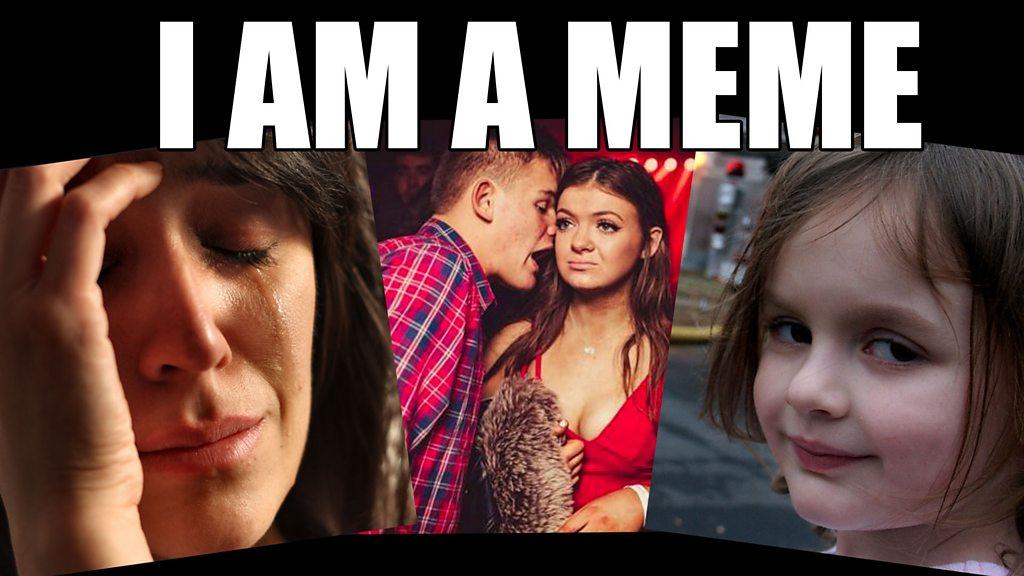

A joke in a caption,a looping clip,a distorted image - memes arrive unannounced and scatter across the internet with the force of a sudden storm. For an hour they’re everywhere: shared, remixed, and annotated until the original meaning blurs into something communal. That fleeting,chaotic life cycle has turned what feels like lowbrow humor into a sophisticated signal about how attention moves in a networked world.
This article peels back the punchlines to reveal what viral memes teach us about business: how cultural relevance is manufactured, why speed and adaptability matter more than perfection, and how brands can participate authentically without dampening the very spontaneity that makes memes contagious. Rather than treating memes as frivolous distractions, we’ll examine them as data points – compact experiments in messaging, identity, and distribution that expose patterns useful to marketers, product teams, and leaders.
Read on for a guided look at the strategic mechanics hidden in the jokes, the ethical trade-offs of opportunistic engagement, and practical principles executives can borrow from the meme economy to stay relevant in an attention-driven market.
Why Memes Function as Rapid Market Signals and What Businesses Should Monitor

Memes act like market seismographs: tiny, viral images and jokes compress cultural temperature, pain points, and desire into instantly readable cues. Because they spread through imitation, a sudden spike in a single format can signal a rapid change in consumer sentiment long before traditional metrics catch up. Watch for five compact signals that matter most to business intelligence:
- Velocity – how fast shares and reposts multiply.
- Sentiment – whether the tone is playful, outraged, or sympathetic.
- variant proliferation – the number of remixes and captions showing idea stickiness.
- Influencer adoption – which accounts amplify the meme and lend credibility.
- Platform concentration – where the meme lives determines demographic impact.
Read these together and you get a near-real-time snapshot of what consumers find meaningful, funny, or problematic.
Turn those signals into action by pairing monitoring with lightweight playbooks: set alerts for accelerating meme formats,triage sentiment swings,and prepare modular creative that can be tested and deployed fast. The following cheat-sheet maps measurable meme signals to practical responses:
| Metric | Why watch | Speedy action |
|---|---|---|
| Share rate | shows momentum | trigger social listening alerts |
| Variant count | Indicates adaptability | Experiment with branded remixes |
| Sentiment swing | Reveals risk or opportunity | Adjust messaging or PR scripts |
Being prepared to read and react to memetic signals gives brands a speed advantage: it’s not about chasing every joke, but about recognizing which jokes illuminate genuine shifts in market behaviour.
Decoding Virality: Shareability Triggers Timing and Platform Fit for Campaign Design

Think of viral content as a compact machine: the best ones convert a single emotion or idea into immediate action-click, laugh, share.successful campaigns borrow that efficiency by focusing on a handful of reproducible triggers that invite participation rather than passive viewing. Clarity, emotional bite, and remixability are the gears; context and timing oil them. To build this into campaign design, designers and marketers can treat shareability like a checklist and prioritize assets that are:
- Instantly understood – no decoding required
- Easily repurposed – templates for creators
- Emotionally resonant – a strong, simple feeling
- Topically relevant – tied to current conversations
Timing and platform fit act as the map and compass for that machine: a joke that lands on TikTok may fizzle on LinkedIn, and a cultural hook that peaks in one 48-hour window can be meaningless a week later.Smart campaigns build modular content blocks, schedule bold plays for high-attention windows, and assign formats to platforms by behavior-snackable loops for short-video feeds, context-rich variants for community forums. Use lightweight experiments to learn fast: publish, measure immediate lift, then scale the variants that show both reach and authentic shares. The goal is not to chase virality, but to design for conditions that make genuine sharing the natural outcome.
Crafting Brand Friendly Memes that Preserve Authenticity and Avoid Backlash
Short-form humor can be a brand’s fastest route to cultural relevance, but only if you enter the joke with humility and a clear ear for the room. Think of each post as a tiny performance: observe the language, mirror the energy without mockery, and amplify authentic voices rather than forcing contrived cleverness.A few practical cues help keep that balance:
- Learn the language – track how communities actually speak before riffing.
- Match tone, don’t mimic – borrow rhythm, not identity.
- Favor participation – spotlight user-created takes rather of hijacking jokes.
- Draw a clear red line – avoid topics that risk harm or exclusion.
These small disciplines turn one-off posts into steady cultural credit without sounding performative.
operationally, protect your brand by combining lightweight approvals with rapid feedback loops: pilot ideas in safe channels, measure sentiment as closely as clicks, and be prepared to retract or apologize promptly if something lands wrong. Keep a short checklist handy – context,consent,clarity – and let that guide what gets scheduled.When done well, humor increases memorability and trust; when rushed, it creates headlines for the wrong reasons, so treat each laugh as earned rather than taken.
When to Jump In and When to Sit Back A Practical Risk Assessment Framework
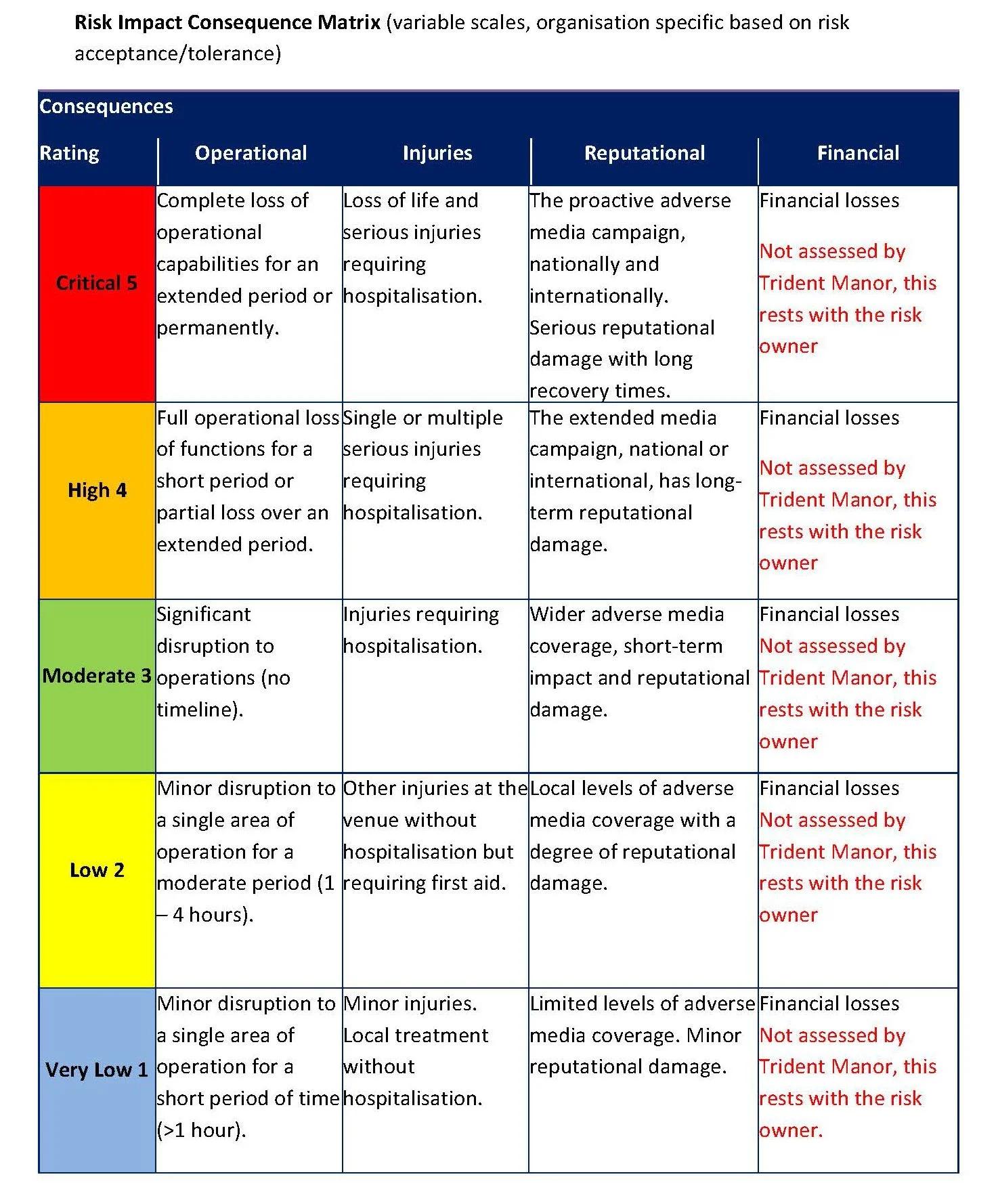
Think of a meme moment like a fast-moving current: it can carry your brand forward or pull it into rough water. start by scanning for three simple signals - audience fit, brand alignment, and legal exposure – then apply a quick risk cap: how much authenticity can you afford to lose vs how much reach you might gain. Decisions made in minutes should follow the same logic as those made in strategy meetings: conserve reputation, test small, and scale only when the tide looks favorable.
- Audience fit: Will this land with your core customers or only with bystanders?
- Brand alignment: Does the tone match your voice, or will it feel forced?
- Legal & ethical risk: Any copyright, privacy, or offensive pitfalls?
- Speed vs control: Can you respond quickly without losing craft?
- Upside/Downside ratio: Is the potential gain worth the reputational exposure?
| Signal | Action | Example |
|---|---|---|
| Mostly Green | Jump In | Authentic duet with creator |
| Mixed | Test & Iterate | Limited A/B posts, monitor sentiment |
| Mostly Red | sit Back | Observe, learn, wait for a safer entry |
Use a simple scoring rule – treat each green signal as a vote for action and each red as a veto. The practical rule-of-thumb: if you have at least two green votes and no hard legal red flags, you can pilot a lightweight version; otherwise, stay out or test in private. This keeps your brand nimble without gambling reputation capital, letting viral lessons be opportunities rather than crises.
Measuring Meme Performance Beyond likes Attribution Metrics and Conversion Paths
Memes can be more than a vanity contest of hearts – they are cultural touchpoints that deserve metrics which capture quality, not just quantity. Track the share-to-like ratio to see whether content is being passed along, monitor comment sentiment (positive, sarcastic, corrective) to understand brand resonance, and measure watch time or view-through for short video memes to gauge attention. Below is a quick reference to translate behaviors into business signals:
| Metric | What it reveals |
|---|---|
| Share-to-like ratio | Authenticity & virality potential |
| Watch time | Attention quality |
| Search lift | Brand curiosity and recall |
Operationalize those signals into decisions: use multi-touch attribution to map meme-driven pathways (social mention → search → product page), run short surveys or lift tests to tie exposure to intent, and prioritize community growth metrics like new follower retention over raw reach spikes. Practical tactics include A/B testing creative tweaks, tracking creator-driven referral codes, and logging user-generated responses as conversions in your CRM; all of these help you treat memes as strategic experiments rather than one-off stunts.
- Attribution depth: Map friction points between first exposure and purchase.
- Sentiment cohorting: Segment audiences by reaction, then tailor follow-ups.
- Longitudinal tracking: Measure lifetime value uplift from meme-driven cohorts.
Scaling Memetic Success with Creator Partnerships Community Seeding and Iterative Testing

Treat memes like product features: craft a simple brief, then hand it to a network of creators who can adapt the idea to their voices. Shared creative briefs, aligned incentives, and lightweight templates let you multiply variations without losing the original spark. Begin by identifying creators who already speak to the right micro-audiences, then formalize the partnership with rapid turnaround windows-this is how a one-off punchline becomes a reliable channel for attention and conversions.
- Curated creator cohorts for consistent output
- Seed posts in tight-knit communities to spark organic spread
- Incentivized iterations: test, reward, repeat
Build an experimental cadence: short bursts of tests, clear success signals, and a fast decision loop. Track both reach and qualitative resonance-comments, remixes, and reuse are as telling as view counts. Use iterative testing to prune creative directions and double down on formats that scale, then integrate successful templates into creator playbooks so the community itself becomes a growth engine.
| Test | Signal | Cadence |
|---|---|---|
| Format A vs B | Share rate | 48-72 hrs |
| Voice swap | Remix count | 1 week |
| CTA tweak | Click-through | 3 days |
Turning Short Lived Moments into Long Term Brand Equity through Narrative Anchoring

Memes are shining, brief sparks of attention – but attention without attachment vanishes as quickly as it came.The brands that convert these sparks into value do so by deliberately anchoring the moment to something repeatable: a tone of voice, a visual cue, or a service ritual that consumers encounter again and again. Treat each viral surge as raw narrative material and ask not just ”How can we ride this trend?” but “How will this become part of what people expect from our brand?”
- Consistent voice – respond in the same persona across touchpoints
- Symbolic asset – create a reusable visual or soundbite tied to the meme
- Owned touchpoint – move the conversation to channels you control (newsletter, product, community)
Execution is where short-lived moments become long-term equity: act quickly to participate, then follow up with a structured narrative that reinforces association. Small, repeatable actions – a recurring email motif, a product detail, a community ritual – turn viral fame into predictable recall. Below is a compact playbook that maps moment types to anchoring tactics and the likely brand payoff.
| Moment | Anchor tactic | Brand payoff |
|---|---|---|
| Dance challenge | A short jingle used across ads | Instant recognition across channels |
| Catchphrase meme | Branded merch + hashtag | Repeated recall & community cues |
| Image macro | Ongoing series with logo placement | Owned association with the motif |
to Wrap It Up
Like any cultural signal,memes do less telling and more revealing: they map what people care about,how they communicate,and what kinds of ideas catch fire. For businesses, that means viral moments are less a marketing playbook than a set of data points – rapid experiments in attention, resonance and risk that reward speed, humility and a willingness to co‑create.Practically, the lesson is straightforward and non‑mystical. Listen to the currents before you jump in, give communities room to remix and respond, test small and learn fast, and measure outcomes beyond short‑term eyeballs. Authenticity and context matter more than formula; so does an honest assessment of whether a meme aligns with your brand values and objectives.
Memes will remain unpredictable, and that unpredictability is where their insight lies. Treat them as early warning signals and creative opportunities rather than trophies to be captured. Do that, and you’ll be better positioned not just to ride the next wave of virality, but to shape your business in ways that survive it.