


In an era marked by rapid technological advancement adn the rise of remote work, the once-clear boundaries between our personal and professional lives have begun to blur, leading us into uncharted territory. The concept of work-life balance, a sturdy bridge we once relied on to navigate between the demands of career and the sanctuary of home, now appears to be floating in a sea of integration and overlap. As we wake up to the realities of our increasingly interconnected worlds—where business emails arrive before breakfast and work calls often extend into dinner—many are left pondering: Is the notion of distinct work and life identities becoming obsolete? This article explores the implications of merging our personal and professional selves,examining how this evolution affects our relationships,productivity,and overall well-being,challenging us to reconsider what balance truly means in today’s dynamic landscape.
Redefining Boundaries in a Blended World

As the lines between personal and professional life continue to blur, we find ourselves navigating uncharted waters where conventional concepts of work-life balance no longer hold the same meaning. The digital landscape allows us to be constantly connected, fostering a culture where our identities as employees and individuals intertwine seamlessly. This shift brings both opportunities and challenges, urging us to redefine boundaries and rethink our approaches to productivity and fulfillment. Adapting to this new reality means embracing a holistic view of our lives, where the traditional 9-to-5 work structure fades into the background, allowing us to integrate our personal passions with our professional responsibilities.
In this blended world, we must cultivate environments that support a fluid exchange between our roles at work and at home. Strategies could include:
- Flexible working hours: Allowing for personal commitments to be addressed without guilt.
- Virtual collaboration tools: Enhancing dialog and teamwork across different settings.
- Encouraging personal projects: Supporting passions that can enhance creativity and satisfaction.
Recognizing and leveraging the interplay between our personal and professional lives can create enriched experiences that lead to greater well-being and productivity. The key lies in adopting a mindset that views our multifaceted identities as assets rather than obstacles, fostering an ecosystem where we can thrive as whole individuals rather than compartmentalized roles.
The Rise of Flexibility: Embracing Adaptive Roles
As traditional boundaries between personal and professional lives fade, individuals are finding themselves in roles that require not only technical proficiency but also adaptability and emotional intelligence. Embracing this newfound flexibility enables employees to thrive in dynamic environments, blurring the lines of their day-to-day responsibilities. This merging creates opportunities for innovative collaboration, as diverse skill sets are woven together into cohesive team dynamics. The ability to pivot and adapt roles based on emerging challenges is no longer just a bonus; it’s essential in fostering a resilient workforce.
In this evolving landscape, organizations are beginning to recognize the value of empowering employees to shape their own roles. Rather than adhering to rigid job descriptions, teams are encouraged to explore cross-functional collaborations and develop a unique blend of abilities. This shift fosters an environment where employees can:
- Enhance creativity: Allowing individuals to wear multiple hats leads to innovative solutions.
- Strengthen team cohesion: A flexible approach promotes understanding and support among team members.
- Boost morale: Personal empowerment can enhance job satisfaction and loyalty.
Navigating the Emotional Landscape of Identity Fusion
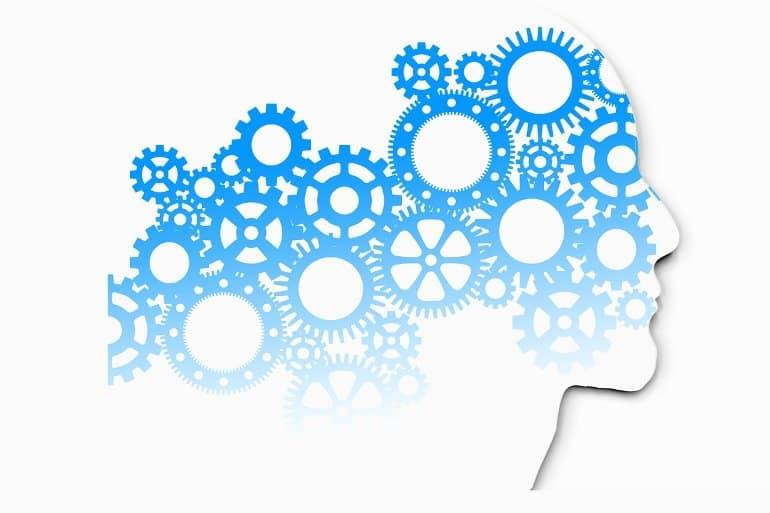
In an era where personal and professional lives are becoming increasingly intertwined, the complexities of identity fusion are more pronounced than ever. Individuals find themselves navigating a landscape where workplace dynamics influence emotional well-being, and personal values shape professional aspirations. This overlap can lead to profound fulfillment,but it can also foster feelings of disorientation and conflict. As peopel strive to blend their ambitions with their personal philosophies, the emotional responses can be mixed. Some may experience a sense of purpose,while others may feel the pressure of constant availability,questioning where one identity ends and the other begins.
Understanding how to manage this emotional landscape requires a holistic approach that celebrates the dualities of our identities. To facilitate better integration, consider the following strategies:
- Mindfulness Practices: Engage in techniques that enhance self-awareness and promote stress relief.
- Community Engagement: Build networks that support sharing experiences and emotional support.
- Boundaries Setting: Assess and define limits that respect personal time while being accountable at work.
- Reflective Journaling: Maintain a journal to track your feelings and experiences as they relate to your evolving identity.
cultivating Mindfulness in a Merged existence

In a world where the lines between personal and professional life have blurred, cultivating mindfulness becomes crucial to navigate this merged existence. Practicing mindfulness allows individuals to reclaim their attention and focus amidst the chaotic demands of modern life. Engaging in simple activities like deep breathing, short meditation breaks, and intentional pause during work hours can considerably enhance clarity and productivity. Incorporating these practices into daily routines fosters a sense of calm and presence, enabling individuals to approach their tasks with intention rather than merely reacting to external pressures.
Moreover, embracing mindfulness encourages the progress of healthier boundaries within this new paradigm. By being intentional about how we engage with both work and personal activities, we can create a more harmonious flow. Here are a few practical strategies to cultivate mindfulness:
- Set specific ‘switch-off’ times: Designate certain hours for work to minimize distractions.
- Tech breaks: Regularly disconnect from devices to recenter your thoughts.
- Reflective journaling: Spend a few minutes each day documenting your thoughts to gain clarity.
- Nature immersion: Take short walks or breaks outside to enhance mental well-being.
Strategies for Sustainable Integration and Wellbeing

In a world where the boundaries between personal and professional lives are increasingly blurred, cultivating an integrated approach to wellbeing becomes essential. Embracing a holistic strategy can create a harmonious environment conducive to both productivity and personal satisfaction. Key practices include:
- Flexible Work Hours: Allowing employees to tailor their schedules enhances their ability to meet personal commitments while remaining productive.
- Mixing Workspaces: Encouraging a variety of work environments, from home offices to outdoor spaces, can lead to increased creativity and reduced stress.
- Mindfulness Programs: Implementing workshops that promote mental wellness can help employees manage their emotional health effectively.
To support this integration, organizations can benefit from analyzing the impacts of their initiatives through regular feedback loops and assessments. This ensures that strategies remain aligned with the ever-evolving needs of individuals. Consider the following table to visualize key metrics for measuring the success of integration strategies:
| Strategy | Impact on Wellbeing | Employee Feedback Score |
|---|---|---|
| Flexible Work Hours | Increased satisfaction and productivity | 8.5/10 |
| Mindfulness Programs | Enhanced mental clarity and focus | 9/10 |
| Collaboration Spaces | Improved team dynamics | 7.8/10 |
Empowering Individuals through Intentional Design
In an era where the lines between professional and personal lives blur, intentional design becomes essential in empowering individuals to thrive in this new reality. By crafting environments that reflect both personal values and professional aspirations, we can foster a sense of belonging and purpose. This can be achieved through:
- Flexible Workspaces: Environments that adapt to employee needs encourage creativity and collaboration.
- Personalized Goals: Aligning personal ambitions with professional objectives enhances motivation.
- Community Engagement: Cultivating connections both within and outside the workplace supports holistic growth.
Integrating personal identity into the professional sphere not only enriches work experiences but also nurtures well-being. Intentional design practices should focus on creating a culture that values authenticity, such as:
| Design Element | Impact |
|---|---|
| Open Communication Channels | Fosters clarity and trust among team members. |
| Support for Mental Health | Encourages a safe space for vulnerability and personal growth. |
By consciously integrating these elements, organizations can not only adapt to the evolving landscape of work but also empower individuals to merge their personal and professional identities seamlessly.
Q&A
Q&A: The End of Work-Life Balance: Merging Personal and Professional Identities
Q1: What does the phrase “The End of Work-Life Balance” mean in today’s context?
A1: This phrase reflects a shift in how individuals perceive the boundaries between their personal and professional lives. Traditionally, work-life balance was about maintaining distinct separations; tho, in a world where remote work and digital communication are prevalent, these boundaries have blurred. Many are embracing the idea that personal and professional identities can coexist more fluidly, leading to a life where one influences the other.
Q2: How has technology contributed to the merging of our personal and professional identities?
A2: Technology has created a 24/7 connectivity culture, enabling our work to infiltrate personal spaces and vice versa. Tools like email, video conferencing, and collaboration apps allow us to work from anywhere and at any time. While this can enhance flexibility, it also means that it’s harder to “switch off,” as we frequently juggle work tasks during personal time and prioritize personal matters during work hours.
Q3: What are some potential benefits of merging personal and professional identities?
A3: There are several potential benefits, including increased flexibility, enhanced creativity, and a more holistic sense of self.When individuals can bring their whole selves to work, they may feel more engaged and authentic, leading to improved job satisfaction and overall well-being.Additionally, this blending can foster a more collaborative atmosphere, where personal relationships enhance professional interactions.
Q4: Are there any drawbacks to this merging of identities?
A4: Yes,there are challenges that come with this integration. The blurring of lines can lead to burnout, as individuals may find it difficult to disconnect from work. Furthermore, personal issues can sometiems surface in professional settings, impacting productivity and workplace relationships. It also raises questions about privacy and boundaries,as sharing too much of one’s personal life can intrude on professional reputation.
Q5: How can individuals navigate this new landscape effectively?
A5: Setting clear boundaries is essential, even in a merged identity framework. Individuals can establish designated work hours and personal times, use technology mindfully, and communicate their availability to colleagues. Additionally, prioritizing self-care and mental health is crucial, as is fostering an environment that respects and values both personal and professional personas.
Q6: What role do employers play in this evolving dynamic?
A6: Employers have a pivotal role in shaping a culture that supports the merging of identities. They can create policies that encourage flexibility, promote mental health resources, and cultivate an environment where employees feel pleasant sharing their whole selves. encouraging open communication about workloads and personal challenges can also build trust and enhance teamwork.
Q7: What does the future hold for work-life dynamics?
A7: The future is likely to see a continued blending of personal and professional identities, with a greater emphasis on authenticity and well-being. As organizations adapt to remote and hybrid work models, we may witness a shift toward more integrated and supportive work cultures. Ongoing discussions about mental health, diversity, and inclusion will also influence how we approach this evolving landscape, fostering environments that celebrate individual identities within the professional realm.
Q8: In what ways can companies support employees in this new approach?
A8: Companies can support employees through flexible work options, fostering open discussions about work-life integration, offering mental health resources, and creating spaces that prioritize employee well-being. By recognizing and valuing the unique combination of personal and professional identities, organizations can cultivate a culture of support and innovation, ultimately enhancing overall productivity and employee satisfaction.
Q9: How can we redefine success in this new paradigm?
A9: Success in this new paradigm can be redefined to include holistic well-being, fulfillment in both personal and professional spheres, and the establishment of meaningful connections. Rather than focusing solely on traditional metrics like promotions or salary increases, individuals might prioritize happiness, work satisfaction, and the ability to maintain a rich personal life alongside their professional ambitions.
Key Takeaways
As we stand at the precipice of a new era in our professional lives, the concept of work-life balance appears to be evolving into something more nuanced—a blend of identities where our personal and professional selves intertwine seamlessly. This shift invites us to reconsider traditional boundaries,challenging us to think critically about how we define success and fulfillment in an increasingly interconnected world. While the end of work-life balance may sound daunting,it also presents opportunities for richer experiences,creativity,and collaboration. As we navigate this uncharted territory, it becomes essential to foster environments that support holistic well-being while embracing the fluidity of our identities. The journey ahead is not solely about managing our time but about embracing the entirety of who we are—both at work and at home. As we merge these identities, we can find new ways to thrive, reminding ourselves that the narratives we craft are ultimately ours to shape.