


In a world where the mantra “hustle harder” reigns supreme, the quiet yet insidious specter of burnout lurks behind the scenes, transforming the very fabric of modern work culture. As professionals strive for success amidst mounting pressures and relentless deadlines, a booming industry has emerged, capitalizing on the anxiety that spreads through offices and homes like wildfire. Welcome to the business of burnout—a trillion-dollar paradox where the pursuit of wellness and productivity feeds off the stress it seeks to alleviate. This article delves into the complexities of this paradox, exploring how a culture built on constant connectivity and achievement has bred a lucrative marketplace for stress-management solutions. From wellness apps and mindfulness retreats to therapy services and corporate trainings, we will uncover the intricate web of businesses that thrive on the very challenges they aim to solve, and examine the implications of a society where burnout becomes not just a outcome, but a commodity.
The Hidden Costs of Workplace Stress and Its Economic Impact
In today’s fast-paced corporate landscape, the implications of workplace stress stretch far beyond individual employees’ mental health, spiraling into significant economic ramifications for organizations as a whole. Studies estimate that stress-related ailments cost U.S. businesses around $300 billion annually, encompassing direct costs such as healthcare expenses and indirect losses due to decreased productivity and employee turnover. The ripple effect of burnout can lead to a perpetual cycle of hiring and training new staff, wich not only consumes valuable resources but also undermines team cohesion and morale. Companies find themselves in an endless loop that siphons capital from growth initiatives, ultimately stifling their potential to thrive.
Understanding the hidden costs of stress can lead to more effective strategies for mitigating its impact. Consider the following factors that contribute to this unseen burden:
- Increased absenteeism: Employees suffering from stress are more likely to take sick days.
- Declining job performance: Stress can lead to decreased efficiency and creativity.
- Higher turnover rates: Recruitment and training new talent can be a costly endeavor for companies.
- Low employee engagement: Stressed workers are less likely to be committed to their roles.
The following table illustrates the comparison between organizations that prioritize mental health and those that do not:
| Criteria | High Mental Health Support | Low Mental Health Support |
|---|---|---|
| Employee Turnover Rate | 10% | 25% |
| Average Healthcare Costs | $5,000/year | $9,000/year |
| Productivity Score | 90% | 65% |
Understanding the Psychology Behind Burnout and Its Effects on Productivity
Burnout is a psychological state characterized by chronic stress and emotional exhaustion,which can substantially hinder an individual’s performance and productivity levels. It often manifests in various ways, including decreased motivation, increased irritability, and a decline in creativity, ultimately leading to a disconnect from one’s work and responsibilities. several factors contribute to this pervasive phenomenon, such as overwhelming workloads, lack of control over work environments, and insufficient support from management. the intertwining of these elements creates a vicious cycle, where the stressors of the job exacerbate feelings of inadequacy and frustration, further diminishing one’s capacity to perform.
Moreover,the ramifications of burnout extend beyond individual productivity—they ripple through entire organizations.Teams affected by burnout often witness a drop in collaboration and engagement, leading to higher turnover rates and stalled projects. To illustrate the impact of burnout on various aspects of workplace dynamics, consider the following table:
| Effect of Burnout | Impact on Productivity |
|---|---|
| Decreased energy levels | Lower output and missed deadlines |
| Increased absenteeism | Higher operational costs |
| Poor quality of work | Loss of clients and revenue |
| Emotional disengagement | Strained team relationships |
Recognizing the psychology behind burnout and its effects is essential for cultivating a healthy workplace surroundings. By addressing these issues proactively, organizations can mitigate the challenges posed by stress and ultimately enhance both employee well-being and overall productivity.
The Rise of Wellness Programs: A Multi-Billion Dollar Solution

Amid the increasing awareness of mental well-being, businesses are recognizing the substantial return on investment that wellness programs can provide. Companies are now investing billions in solutions designed to reduce stress and enhance employee satisfaction, making these initiatives a cornerstone of modern corporate strategy.By implementing tailored wellness initiatives, businesses aim to create a healthier workforce, ultimately leading to increased productivity and reduced healthcare costs. Key components of these programs frequently enough include:
- Fitness Challenges: Encouraging team-based physical activity to foster camaraderie.
- Mindfulness Training: Workshops on meditation and stress-management strategies.
- Nutritional Counseling: Access to dieticians to promote healthy eating habits.
The success of these wellness initiatives is reflected in the statistics, which indicate that companies can save up to $3.27 for every dollar spent on wellness programs. Organizations adopting these frameworks report lower rates of absenteeism, higher employee engagement, and an overall positive workplace culture. Moreover, many companies are increasingly utilizing technology to enhance these programs, such as:
| Technology Integration | Description |
|---|---|
| Mobile Apps | Allow employees to track their health metrics and engage in challenges. |
| Wearables | Help monitor physical activity and encourage a healthy lifestyle. |
| Online Platforms | Provide access to virtual wellness resources and community support. |
Innovative Strategies for Organizations to Combat Employee Burnout

Organizations need to rethink their approach to employee well-being by implementing strategies that prioritize mental health while also enhancing productivity. One effective method is to create a well-being committee that focuses on assessing and improving workplace culture. This committee can conduct regular surveys to identify stressors specific to your organization and develop tailored solutions. In addition, offering flexible work hours and remote work options allows employees to find a balance that best fits their personal lives and work demands.
Training programs aimed at building resilience and stress management skills are also essential in combating burnout. Structuring workshops around mindfulness practices, time management techniques, and conflict resolution not only empowers employees but also fosters a supportive environment. Furthermore, consider establishing a peer support system where employees can share experiences and coping strategies in a safe space.This collaboration fosters camaraderie and offers a sense of belonging that can significantly reduce feelings of isolation and stress.
The Role of Technology in Managing Stress and Enhancing Wellbeing

In today’s fast-paced world, technology serves as a beacon of hope for many grappling with stress and anxiety. With the advent of mental health apps and online therapy platforms, individuals can access much-needed support at their fingertips. these digital tools provide users with features such as guided meditations, mood tracking, and personalized coping strategies, enabling them to take proactive steps towards their mental wellbeing. The convenience and accessibility of these resources frequently enough lead to higher engagement rates, making it easier for users to cultivate healthier habits amidst the chaos of modern life.
Moreover, technology fosters community and connection, which are vital for emotional resilience. Social media platforms allow users to share experiences and advice, thus breaking the stigma surrounding mental health discussions. Communities formed around mindfulness and wellness practices thrive online, where members can encourage one another and share resources. Innovative wearables, such as smartwatches and fitness trackers, are also instrumental in monitoring stress levels through biometric data. Below is a table summarizing the key technological tools that are reshaping how we manage stress:
| Technology Tool | Function |
|---|---|
| Mental Health Apps | Provide guided meditations and mood tracking. |
| Wearables | Monitor stress levels via heart rate and activity data. |
| Online Therapy | Facilitates access to professional mental health support. |
| Supportive Communities | Encourage sharing and dialog around mental health. |
Future trends: Navigating the Evolving Landscape of Stress Management in Business
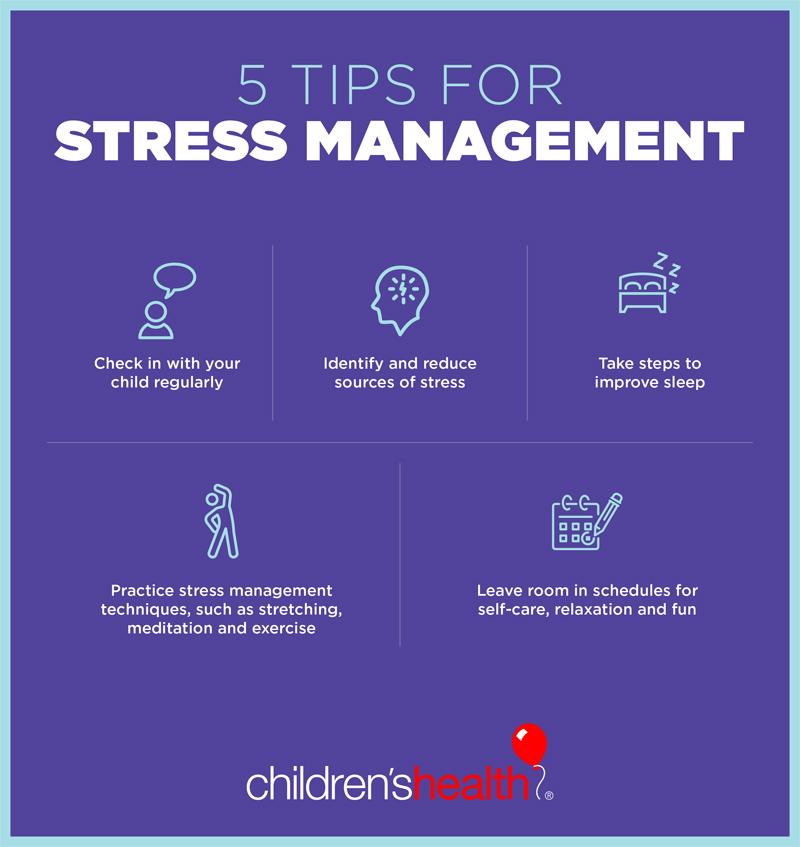
As we look ahead, stress management is poised to undergo significant transformations driven by technological advancements and an increasing awareness of mental health in the workplace. Businesses are now recognizing that proactive stress management is crucial not just for employee well-being, but also for maintaining productivity and profitability. This evolving landscape will likely see the integration of AI-powered tools, wearable technology, and data analytics to monitor employee stress levels in real-time, enabling personalized intervention strategies. Companies that embrace these innovations will emerge as leaders in fostering a healthier work environment.
The shift towards a more holistic approach to wellness will also change how organizations structure their resources. Increasingly, employers are investing in thorough wellness programs that promote work-life balance, mindfulness training, and access to mental health professionals. Consider a visual breakdown of potential offerings:
| Wellness Program Components | Benefits |
|---|---|
| Mindfulness Workshops | Enhanced focus and reduced anxiety |
| Flexible Work Hours | Improved work-life integration |
| Access to Counseling Services | Immediate support for mental health issues |
| Physical Health Initiatives | Boosted morale and team cohesion |
Ultimately, the transition toward effective stress management within organizations will involve collaboration between management, HR, and employees.Establishing a culture of openness around mental health and stress-related discussions can empower individuals to seek help and create a mutually supportive environment. By positioning stress management as a core element of business strategy, companies not only enhance employee loyalty but also secure their competitive edge in the ever-evolving marketplace.
Q&A
Q&A: The Business of Burnout: Why Stress is a Billion-dollar Industry
Q1: What factors have contributed to the rise of burnout in recent years?
A1: The increasing workload,relentless connectivity due to technology,and the rapid pace of modern life have all played crucial roles in cultivating conditions for burnout. As jobs become more demanding and expectations heighten, employees frequently enough find themselves in a constant state of stress. Additionally, the global pandemic has reshaped work dynamics, amplifying feelings of isolation and anxiety while highlighting the importance of mental health.
Q2: Can you explain how stress has transformed into a lucrative market?
A2: stress management has morphed into a billion-dollar industry because the pervasive nature of stress has created significant demand for solutions. From wellness apps and online therapy platforms to yoga studios and mindfulness workshops,businesses have seized the chance to provide products and services that promise relief. Companies increasingly invest in employee wellness programs, recognizing that a healthier workforce leads to higher productivity, reduced absenteeism, and overall improved morale.
Q3: What is the “wellness” industry, and how does it relate to burnout?
A3: The wellness industry encompasses a broad spectrum of products and services designed to enhance physical and mental well-being. This includes everything from dietary supplements and fitness programs to stress management strategies. As awareness of burnout rises, wellness offerings have evolved to address the mental and emotional implications of stress. Many businesses capitalize on this trend, positioning themselves as essential allies in the fight against burnout, thereby merging profit with purpose.
Q4: Are there any negative consequences to the commercialization of stress relief?
A4: While the commercialization of stress relief offers genuine support, it can lead to a few pitfalls.The rise of wellness culture sometimes promotes an unrealistic expectation that personal well-being is solely an individual’s duty, overlooking systemic issues like workplace culture and labour demands. Additionally, it can encourage a consumer mentality, where individuals believe that purchasing products or services is the only solution to their stress, potentially overshadowing fundamental lifestyle changes or organizational reforms that could be more effective.
Q5: How are corporations responding to the issue of burnout?
A5: Many corporations are adopting multifaceted strategies to combat burnout, recognizing its impact on productivity and employee retention. This includes implementing flexible working arrangements, offering mental health days, organizing mindfulness workshops, and enhancing healthcare benefits. forward-thinking companies are also fostering inclusive environments that prioritize work-life balance, showing that they value employee health alongside organizational goals.
Q6: What role does technology play in both exacerbating and alleviating stress?
A6: Technology serves as a double-edged sword in the realm of stress management.On one hand, constant connectivity can lead to information overload, diminished personal boundaries, and an “always-on” mentality that heightens stress levels. On the other hand, technology provides tools for stress relief, such as meditation apps, online therapy platforms, and virtual wellness communities that can help individuals manage their mental health effectively. the challenge lies in finding a balance that maximizes the benefits of technology while mitigating its stress-inducing effects.
Q7: What practical steps can individuals take to combat burnout in their daily lives?
A7: Individuals can adopt several practical strategies to counteract burnout. Setting boundaries between work and personal life, practicing mindfulness, prioritizing self-care activities, and seeking social support are all crucial. Additionally,engaging in regular physical activity,maintaining a balanced diet,and allowing oneself time to unplug from technology can significantly help in managing stress levels. ultimately, fostering a culture of open dialogue about mental health can empower employees to take proactive measures against burnout.
Q8: Looking ahead,what does the future hold for the business of burnout?
A8: As the conversation around mental health continues to evolve,the future of the business of burnout is likely to witness greater integration of holistic approaches to well-being and a stronger push for organizational accountability. Companies may need to adopt policies that not only address stress at the individual level but also reform workplace ecosystems. Moreover, advancements in technology may facilitate even more tailored and effective stress-management solutions, leading to an ever-expanding market focused on fostering resilience and psychological well-being.
Wrapping Up
In a world where the relentless pace of modern life often feels like a treadmill set to maximum speed, it’s important to pause and reflect on the implications of chronic stress and burnout. As we have explored, the business of burnout is a multifaceted industry, thriving on the vulnerabilities that accompany our increasingly demanding lifestyles. Companies catering to wellness, therapy, and even downtime are not just addressing a public health crisis; they are capitalizing on it.
Yet, this phenomenon opens up a crucial dialogue about our collective approach to well-being. Are we merely treating symptoms, or can we address the root causes of a culture that prioritizes hustle over health? As we navigate this complex landscape, it becomes clear that the path forward requires a balance—one that encompasses both individual responsibility and systemic change.
the next time you find yourself caught in the whirlwind of deadlines and expectations, remember that you are not alone—and that the billion-dollar industry of stress management is a testament to our shared struggles. By understanding the forces at play and demanding a healthier relationship with our work and personal lives, we can defy the commodification of burnout and redefine what it means to thrive in both business and life. The choice is ours to make.