


In an increasingly interconnected world,the marketplace is undergoing a profound transformation,where the line between products and experiences is becoming ever more blurred. Welcome to the Post-Product era—an age defined not by the physical goods that populate our shelves, but by the intangible moments that captivate our senses, forge connections, and create lasting memories. Companies are shifting their focus from merely selling items to curating experiences that resonate deeply with consumers,tapping into the emotions and narratives that breathe life into their brands. As we navigate this exciting new landscape, we must reconsider our expectations as consumers and forge new pathways in our understanding of value. This article explores the innovative strategies companies are employing to transcend traditional commerce, illustrating how we have arrived at this juncture and what it means for the future of consumerism. Join us as we unravel the story of an evolving economy, where the true currency lies not in things, but in the experiences that define our lives.
Embracing the Shift from Ownership to Experience

In today’s rapidly evolving marketplace, the transition from possessing products to engaging in meaningful experiences is reshaping consumer behavior and business models. Companies are recognizing that their customers crave connections and memories rather then mere products. This shift encourages brands to design experiences that resonate with their audience on a personal level. By offering immersion and interactivity,businesses can forge stronger emotional ties,creating a lasting impact that goes beyond traditional ownership.
To successfully navigate this new terrain, organizations must embrace innovative strategies focused on enhancing customer experience. Some effective approaches include:
- Personalization: Tailoring experiences to individual preferences fosters deeper connections.
- Community Building: Creating spaces where customers can share their experiences enhances loyalty.
- Storytelling: Engaging narratives can transform a simple transaction into a memorable journey.
- Interactivity: Encouraging consumer participation can enhance the overall experience and retention.
Adopting these practices not only aligns with the modern consumer mindset but also positions companies as pioneers in the post-product era.the focus on experience over ownership represents a profound cultural shift, presenting organizations with opportunities to innovate and lead in a landscape defined by transformation.
Understanding Consumer Psyche in the Experience Economy
In the experience economy, understanding the consumer psyche becomes crucial for businesses aiming to differentiate themselves. Consumers are no longer just looking for products to fill their homes; they are seeking meaningful experiences that resonate with their values and aspirations. This shift in focus prompts companies to tap into emotions and create immersive experiences that foster connections. By doing so, businesses can leverage the intrinsic motivations of their customers, moving beyond mere transactions to evoke feelings of joy, nostalgia, and belonging. Some key emotional triggers include:
- Authenticity: Consumers crave genuine experiences that reflect their identity.
- community: Shared experiences foster a sense of belonging among consumers.
- Storytelling: Narratives enhance the emotional connection with the brand.
- Personalization: Tailoring experiences to individual preferences increases satisfaction.
As companies design experiences, they must also consider the importance of engagement. The process of interaction with the brand—from pre-purchase anticipation to post-purchase reflection—plays a vital role in shaping consumer perceptions.To illustrate this concept, we can look at a simple table showcasing the journey of a consumer in the experience economy:
| Stage | Consumer Action | Emotional Response |
|---|---|---|
| Awareness | Discovering a brand | Curiosity |
| Engagement | Interacting with marketing content | Excitement |
| Experience | Participating in an event or service | Joy |
| Reflection | Sharing experiences online | Satisfaction |
By linking each stage of consumer action to emotional responses, companies can better design experiences that leave lasting impressions. This strategic understanding of consumer behavior enables brands to cultivate loyalty and foster repeat engagement in an ever-evolving marketplace.
Crafting Memorable Interactions: The Key to success
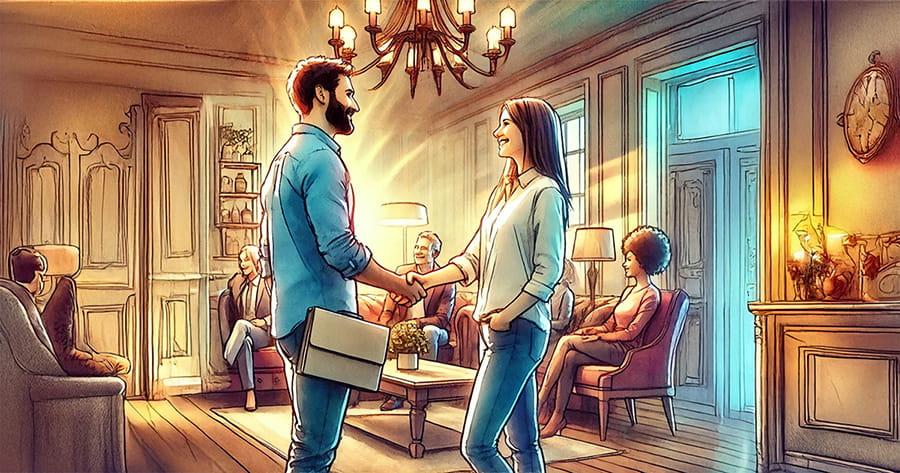
In this transformative landscape where experiences overshadow mere products, businesses must prioritize creating memorable interactions that resonate with customers on a deeper level. Engagement becomes more than just a buzzword; it morphs into a strategic necessity. Companies that excel in this new era are those that foster emotional connections by tapping into the sensory and social aspects of their offerings. By prioritizing storytelling, personalization, and community, they create captivating narratives that encourage customers to partake in their brand journeys. Consider aspects that enhance customer interaction:
- Personalized Experiences: Tailoring services to meet individual preferences.
- Community Engagement: Inviting customers to share their stories and experiences.
- Interactive Platforms: Utilizing technology to create immersive digital environments.
To illustrate this shift, let’s explore how various industries are adapting their strategies to prioritize experiences over products. The following table highlights notable examples:
| Industry | Experience Focus | Example |
|---|---|---|
| Travel | Culturally Immersive Journeys | Guided local tours with community involvement |
| Retail | experiential Pop-Up Stores | Interactive installations that engage customers |
| Hospitality | Unique Themed Experiences | Hotels designed for local cultural immersion |
By shifting their focus towards crafting unforgettable experiences, businesses can enhance customer loyalty and advocacy. The success stories emerging from this paradigm shift reveal a path forward: one that embraces innovation and relational approaches, encouraging brands to become more than just vendors—they become vital participants in their customers’ lives.
Leveraging Technology to Enhance Experience Delivery

In today’s rapidly evolving marketplace, harnessing technology has become essential in reshaping how companies deliver unique experiences to their customers. With innovations such as artificial intelligence, virtual reality, and augmented reality, businesses can now design tailored interactions that resonate on a personal level.These advancements enable companies to go beyond mere transactions, allowing them to offer experiences that evoke emotions, foster engagement, and build lasting loyalty. Key technologies include:
- Virtual Reality (VR) – Immersive product demonstrations and virtual tours.
- artificial Intelligence (AI) – Personalized recommendations based on user behavior.
- Augmented Reality (AR) – Enhanced shopping experiences, visualizing products in real-time.
Moreover,the integration of data analytics empowers businesses to gain invaluable insights into consumer preferences and behaviors. By leveraging these insights, brands can refine their offerings and customize experiences that are not only memorable but also impactful. This technology-driven approach transforms the traditional sales model into a journey where the customer feels valued and understood. To illustrate this transition, hear’s a comparison of traditional selling versus experience-focused strategies:
| Traditional Selling | Experience-Focused Strategy |
|---|---|
| Product-centric approach | Customer-centric interactions |
| Emphasis on features | Emphasis on emotions and outcomes |
| Single transaction focus | Relationship building for retention |
Building Sustainable Relationships Through Experiential Marketing
In today’s fast-paced world where consumers are inundated with choices, companies must shift their focus from mere transactions to creating meaningful interactions that resonate on a deeper level. Experiential marketing allows brands to engage audiences through immersive experiences that evoke emotion and foster loyalty. By prioritizing experiences over products, businesses can create a unique narrative that transforms customer perceptions, drawing them into a brand story that feels authentic and personal.
To build enduring connections, brands should consider implementing strategies such as:
- Live Events: Hosting workshops or pop-up events can create memorable interactions that leave a lasting impression.
- Community Engagement: Involving customers in community projects fosters a sense of belonging and shared purpose.
- Personalization: tailoring experiences to individual preferences can make customers feel valued.
This approach not only enhances customer satisfaction but also translates into brand advocacy. The shift from a sales-driven model to one focused on experiences can lead to increased word-of-mouth referrals and repeat business, thereby fostering a sustainable ecosystem where both companies and consumers thrive together.
redefining Value: Metrics for Measuring Experience Over Goods

As we navigate the evolving landscape of consumer demand, companies are increasingly focusing on the quality of experiences rather than the accumulation of goods. This paradigm shift demands new metrics for evaluating success. Traditional measures like sales volume or inventory turnovers are becoming obsolete. Instead, organizations must embrace a holistic approach that incorporates consumer satisfaction, emotional engagement, and community impact. Metrics such as Net Promoter Score (NPS) and Customer Lifetime value (CLV) can provide essential insights into how well an experience resonates with customers,fostering deeper connections that go beyond mere transactions.
to effectively gauge the essence of these experiences, companies might consider implementing an experience evaluation dashboard that highlights key performance indicators. This dashboard could include a variety of metrics such as:
- Customer Engagement Rate: Measures the frequency and intensity of customer interactions.
- Experience Satisfaction Score: A direct reflection of how well a service meets or exceeds expectations.
- Social Media Sentiment analysis: Uses algorithms to assess public opinion about an experience shared online.
this multi-dimensional approach allows brands to capture the qualitative aspects of customer experiences,thus redefining success in a world where lasting memories hold more value than physical possessions.
| Experience Metric | Description | Importance |
|---|---|---|
| customer Engagement Rate | Frequency of customer interactions with the brand. | Indicates brand loyalty and interest. |
| Experience Satisfaction Score | Evaluation of how experiences meet customer expectations. | Helps in refining offerings for better satisfaction. |
| Social Media Sentiment | Online opinions and feedback regarding experiences. | Guides marketing strategies and public relations. |
Q&A
Q&A: Understanding the Post-Product era – When Companies Sell Experiences Rather of Things
Q1: What exactly do we mean by the “Post-Product Era”?
A1: The “Post-Product Era” refers to a shift in business models where the emphasis is placed on creating and selling experiences rather than just physical products. Companies are increasingly focusing on how their offerings make customers feel and the memories they create, moving beyond the traditional notion of mere transaction.
Q2: How did we arrive at this transformative period?
A2: This shift evolved from changing consumer behaviors and technological advancements. As society becomes more interconnected and digital, consumers prioritize experiences that enhance their lifestyle over ownership of tangible goods. The rise of social media also plays a role, as people share experiences rather than possessions, influencing others in the process.
Q3: Can you give examples of companies adopting this experience-centric approach?
A3: Certainly! Companies like Airbnb don’t just rent out properties; they market local experiences and adventures. Nike uses immersive events and community engagement to foster a lifestyle tied to their brand, rather than just selling athletic wear. Even traditional companies, like car manufacturers, are venturing into the experience realm with test drive events and exclusive driving experiences.
Q4: What benefits do companies gain from marketing experiences?
A4: Companies can build deeper emotional connections with customers through experiences, fostering loyalty and repeat business. Experiences often encourage word-of-mouth referrals and social media sharing, driving organic marketing. Additionally, they can differentiate from competitors in saturated markets, offering unique value propositions that resonate with consumers’ desires for memorable interactions.
Q5: Are there any potential downsides to this shift?
A5: While focusing on experiences holds many advantages, it can also present challenges. For one,the cost and resources needed to create memorable experiences can be significant,and not every business model transitions smoothly.Moreover, if the experience fails to meet customer expectations, it can lead to disappointment, damaging the brand’s reputation.
Q6: How are consumers responding to this shift?
A6: Many consumers are embracing this change, often valuing unique experiences over material possessions. This is particularly true for younger generations, like Millennials and Gen Z, who prioritize authenticity and connection. However, there is still a segment of the population that cherishes tangible goods, showing that this era may not completely eclipse traditional product sales.
Q7: What’s the future of the Post-Product Era?
A7: The future will likely see a blend of products and experiences, where companies strive to enhance their offerings in ways that engage consumers meaningfully. Expect to see innovative solutions that integrate technology and personalization in crafting experiences, as brands seek to navigate and thrive in this evolving landscape.
Q8: How can businesses prepare for this change?
A8: Businesses can begin by deeply understanding their target audience’s desires and redefining their value propositions. Engaging customers through feedback and co-creation of experiences can foster loyalty. Moreover,investing in brand storytelling and experiences that invoke emotion can elevate their offerings in this new era.
Q9: What should consumers consider in the Post-Product Era?
A9: Consumers might want to think critically about what is valuable to them—whether that’s an experience that enriches their lives, a product that serves a functional need, or a blend of both. They should also navigate their choices mindfully, recognizing that the value of an experience often extends beyond its immediate cost and can enhance overall well-being and happiness.
Conclusion: A new Paradigm
The Post-Product Era invites both businesses and consumers to rethink the nature of value and connection. As companies pivot from products to experiences, the landscape of commerce continues to evolve, offering new opportunities and challenges in our ever-changing world.
To Conclude
As we navigate through this exciting yet challenging landscape of the post-product era, it becomes clear that the evolution of commerce is not merely about what we buy, but how we feel and connect with the world around us. Companies are no longer just purveyors of goods; they are curators of experiences that resonate deeply with our personal narratives.This shift invites us to reconsider our relationship with consumption, urging us to seek meaning beyond the tangible.
In this transformative age, the lines between products and experiences blur, pushing us toward a new paradigm where value is measured not just in ownership, but in engagement, emotion, and shared moments. As we embrace this journey, it is crucial for both businesses and consumers to reflect on the intentions that drive their choices. Ultimately,the post-product era encourages us to savor the experiences that enrich our lives,reminding us that sometimes,what we take home isn’t an object—it’s a memory.
As we step into the future, let us embrace this experience-driven world with open minds and hearts, ready to shape a marketplace where connection reigns supreme.