


In today’s rapidly evolving business landscape, the role of leadership is undergoing a profound transformation. As companies navigate the complexities of growth,innovation,and digital disruption,conventional executive models are being challenged by a dynamic new trend: fractional executives. Once a niche solution for startups and small enterprises, the concept of hiring high-level leaders on a part-time basis is gaining traction across organizations of all sizes. But what is driving this shift, and why are conversations around fractional executives reverberating across boardrooms and beyond? In this article, we delve into the multifaceted reasons behind the rising popularity of fractional leadership, exploring it’s distinct advantages and how it can empower businesses to adapt and thrive in an increasingly competitive environment. Join us as we unpack the buzz and discover why the future of leadership might just be fractional.
The Rise of Fractional Executives in Today’s Business Landscape
The concept of fractional executives has surged in popularity, driven by the evolving needs of organizations large and small. Companies are increasingly recognizing that hiring a full-time executive for a limited timeframe or a specific project can be not onyl cost-effective but also highly efficient. This approach allows businesses to tap into specialized expertise without the long-term commitment associated with traditional hiring. The versatility inherent in fractional leadership roles suits fast-paced environments, enabling companies to scale effectively while ensuring that they remain competitive.
Moreover, fractional executives come with a rich tapestry of experiences and a fresh perspective that can catalyze growth. They provide strategic insights and support while allowing core teams to focus on their immediate tasks. organizations can benefit from a variety of skill sets including, but not limited to:
- Financial Management – Making informed decisions without the overhead of a full-time CFO.
- Marketing Strategy – Leveraging the latest trends without a commitment to a permanent CMO.
- Operational Leadership - Streamlining processes with seasoned professionals.
This shift towards fractional roles not only enhances business agility but also promotes a diverse hiring landscape where expertise can be accessed in a more tailored manner.
Understanding the Cost-Effectiveness of Fractional Leadership
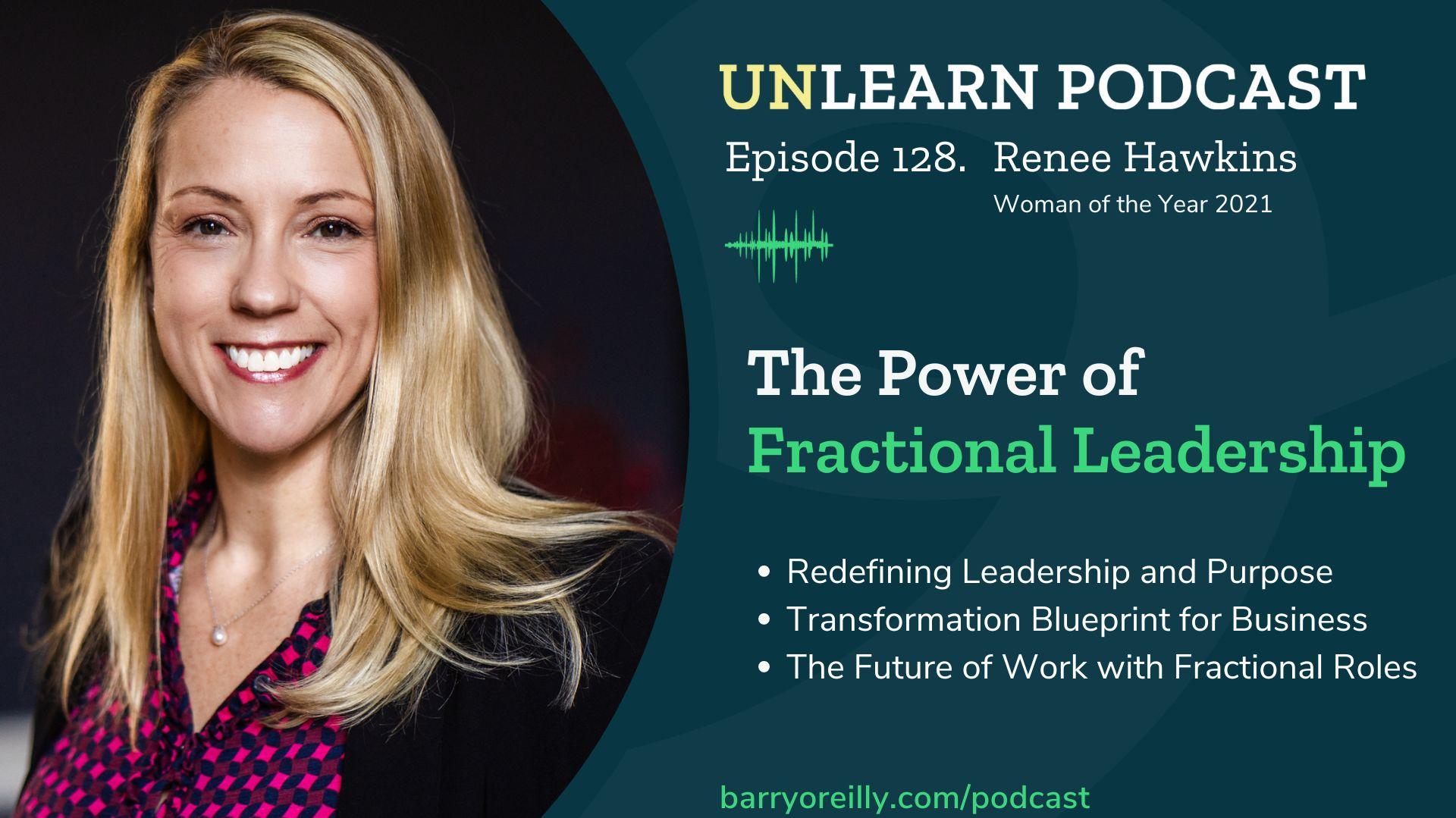
Fractional leadership presents a flexible solution to the challenge of accessing top-tier executive talent without the hefty price tag associated with full-time positions. Companies can leverage fractional executives to gain expertise in various domains such as marketing, finance, or technology, allowing them to remain agile and innovative. This model not only provides strategic direction but also aligns with budget constraints, enabling organizations to allocate resources more efficiently. The essence of this approach lies in cost-sharing without compromising on quality, as businesses can engage seasoned professionals who adapt to their unique needs.
Moreover, fractional leadership enables companies to avoid the long-term financial commitments of hiring a full-time executive. By engaging these professionals on a part-time or project basis, businesses can benefit from:
- Reduced overhead costs: No need for benefits, office space, or long-term salaries.
- Expert guidance: Access to experienced leaders who can steer projects or initiatives without a permanent hire.
- Scalability: Flexibility to scale leadership up or down in response to business needs.
This strategic use of fractional executives is transforming organizational structures, allowing businesses to stay competitive in a fast-paced marketplace while maintaining financial health.
Access to Expertise: How Fractional Executives Fill Critical Gaps
In today’s fast-paced business environment, organizations often face challenges that require specialized knowledge and skills. Fractional executives step in to bridge these gaps, providing companies with the expertise they need without the long-term commitment of a full-time hire. This flexible approach allows businesses to access high-level leadership and strategic direction tailored to their specific challenges, weather it’s in finance, marketing, or technology. By leveraging fractional roles, companies can benefit from:
- Cost-Effectiveness: Paying only for the hours or projects needed.
- Immediate Impact: Quickly onboarding experienced leaders who can make a difference right away.
- Flexibility: Adjusting executive support based on the current business landscape.
This model not only enhances operational efficiency but also fosters innovation, as fractional executives frequently enough bring fresh perspectives born from diverse experiences across various industries.By regularly engaging with multiple organizations, they stay abreast of current trends and best practices, ensuring that they provide relevant and actionable insights. Consider the following key areas where fractional executives can offer profound impact:
| Area of Expertise | Benefits |
|---|---|
| Financial Strategy | Improved cash flow management and growth planning. |
| Marketing Leadership | Enhanced brand visibility and market penetration. |
| Technology Oversight | incorporation of cutting-edge solutions and digital transformation. |
Flexibility and Scalability: Tailoring Leadership to Business Needs
In today’s rapidly evolving business landscape, flexibility and scalability are crucial for companies aiming to stay competitive.Fractional executives offer a dynamic approach, delivering tailored leadership solutions that adapt to specific business demands without the long-term commitment of a full-time executive hire. This model allows organizations to:
- Pivot quickly in response to market changes
- Access specialized skills on an as-needed basis
- scale leadership resources during periods of growth or transition
- Reduce overhead costs typically associated with traditional executives
Moreover, fractional executives can seamlessly integrate into existing teams, providing much-needed expertise while fostering a culture of innovation. This level of customization allows businesses to focus on their core activities, as they can rely on experienced leaders who prioritize the unique challenges and opportunities of each organization. For easy reference, the table below summarizes how fractional leadership can enhance different aspects of business strategy:
| Business Need | Fractional Executive Benefit |
|---|---|
| Cost Management | Lower overhead without sacrificing expertise |
| Skill Gaps | Access to specific industry knowledge and skills |
| Adaptability | rapid adjustments to leadership strategies |
| Growth Stage | Scalable leadership to match business expansion |
Building a Strong Fractional Executive Relationship for Success

Establishing a productive partnership with a fractional executive is essential for harnessing their expertise effectively. This relationship thrives on open interaction and mutual respect.to build a strong foundation, it’s vital to recognize the unique contributions that a fractional executive can bring to your organization. consider implementing practices such as:
- Structured onboarding: Provide necessary background details and context about your business to help them acclimate quickly.
- Regular check-ins: Schedule consistent meetings to discuss progress, challenges, and goals to keep everyone aligned.
- Feedback loops: Foster a culture where both parties can share constructive feedback, ensuring continual growth and betterment.
A strong relationship can also be enhanced through clearly defined roles and expectations. Unlike traditional full-time roles, fractional executives often operate with the flexibility to adapt to the ever-changing needs of your business. Creating a simple agreement that outlines responsibilities, objectives, and performance metrics can streamline operations. Consider using a table to clarify these points:
| Aspect | Details |
|---|---|
| Role Clarity | Define specific tasks and projects the executive will oversee. |
| Performance Indicators | Set measurable outcomes to evaluate success. |
| Time Commitment | Outline the number of hours or days they are expected to work. |
By fostering a clear and structured approach, you not only boost productivity but also create a collaborative environment that drives success for both parties. Emphasizing these aspects in your relationship will enable both your business and the fractional executive to flourish.
measuring the Impact: Evaluating Outcomes with Fractional Leadership

Evaluating outcomes with fractional leadership involves a multifaceted approach that not only quantifies performance but also captures the qualitative shifts within an organization. By leveraging the expertise of fractional executives, companies can execute targeted initiatives that impact productivity and innovation. Key metrics to assess include:
- Revenue Growth: Analyze the financial uplift attributable to strategic initiatives spearheaded by fractional leaders.
- Employee Engagement: Measure changes in team morale and commitment through surveys and feedback mechanisms.
- Efficiency Improvements: Track operational metrics before and after implementation of fractional leadership strategies.
Moreover, using a structured framework for evaluation allows organizations to refine their strategies continuously. Such as, consider establishing a quarterly review table to benchmark progress:
| Quarter | Revenue Increase (%) | Employee Satisfaction Score | Project Completion Rate (%) |
|---|---|---|---|
| Q1 | 12% | 75% | 90% |
| Q2 | 15% | 80% | 92% |
| Q3 | 10% | 78% | 88% |
| Q4 | 5% | 82% | 95% |
this method not only provides concrete data to assess the effectiveness of fractional executives but also creates a culture of accountability and continuous improvement, allowing businesses to refine their approach in real-time.
Future Trends: The Evolving Role of Fractional Executives in organizations

The landscape of organizational leadership is undergoing a significant transformation, driven by the growing acceptance of fractional executives-seasoned professionals who provide their expertise on a part-time basis. This trend stems from a confluence of factors, including the need for agility in a rapidly changing market, the demand for specialized skills, and the desire for cost-effective solutions. As businesses continue to navigate uncertainty, fractional executives offer the flexibility to tap into top-tier talent without the long-term financial commitment associated with traditional roles. Organizations are increasingly recognizing the benefits that come from leveraging experienced leaders who can step in and steer projects, mentor teams, and facilitate strategic growth without the overhead of full-time hires.
The future promises an enhanced role for these professionals as more companies adopt hybrid work models and explore innovative operational strategies. Fractional executives bring a wealth of knowledge across various sectors, including finance, HR, marketing, and technology, allowing organizations to pivot quickly and efficiently when market conditions dictate. They play crucial roles in areas such as:
- Interim Leadership: Filling gaps during transitional periods.
- Strategic Initiatives: Guiding specialized projects that require unique expertise.
- Cultural Transformation: Leading change efforts to align with modern workplace values.
to better illustrate the evolving roles and benefits of fractional executives, consider the following table:
| Fractional Role | Key Contribution | Impact on Organization |
|---|---|---|
| Fractional CFO | Financial strategy and management | Enhanced profitability and risk mitigation |
| Fractional CMO | Marketing direction and brand strategy | Improved market positioning and customer engagement |
| Fractional CHRO | Talent management and organizational culture | Stronger employee alignment and retention rates |
As this trend unfolds, organizations are likely to redefine their leadership structures, further integrating fractional executives as essential partners in achieving strategic goals. It’s evident that their evolving influence is set to shape the future landscape of business leadership,creating opportunities for both organizations and talented professionals looking to make a significant impact.
To Wrap It Up
As the landscape of business continues to evolve,the rise of fractional executives marks a significant shift in how organizations can access top-tier talent. With the ability to leverage specialized skills on a flexible basis, companies are finding innovative solutions to traditional challenges. The conversations around fractional leadership are just beginning, and their impact is poised to reshape the executive space for years to come.
In embracing this model,organizations not only tap into expertise without the constraints of full-time commitments,but they also cultivate a dynamic environment that adapts to both immediate needs and long-term goals. As more leaders share their experiences and success stories, one thing is clear: fractional executives are not just a trend; they may well be the future of leadership. So, as we navigate this brave new world of work, we encourage you to keep the conversation going-who knows what possibilities await just around the corner?