

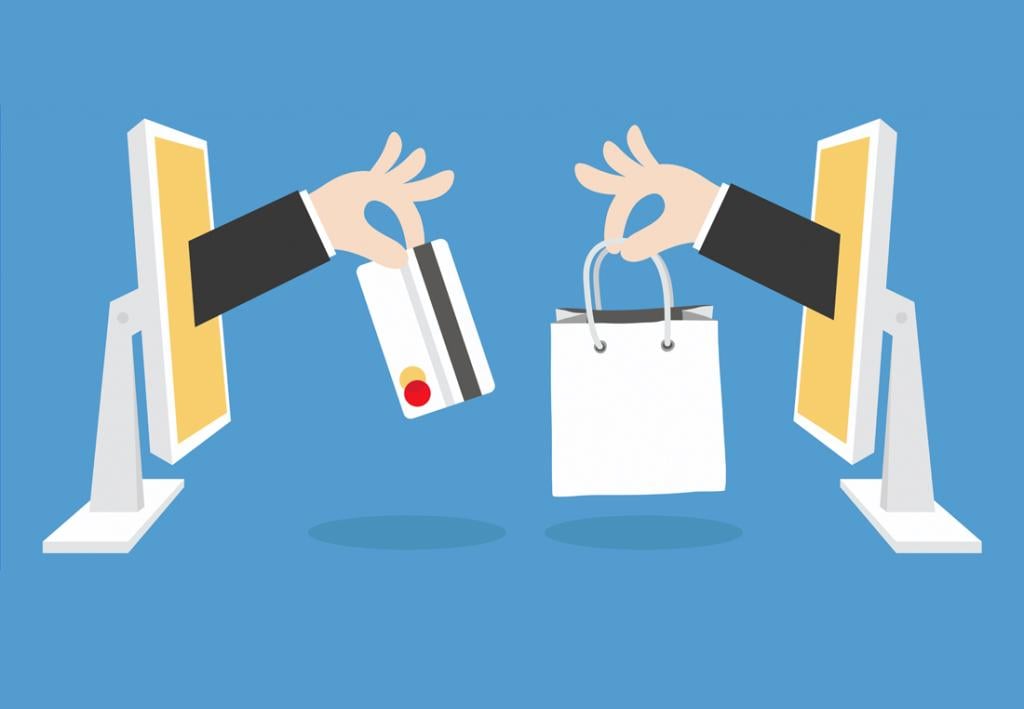

In the vast digital marketplace, your website often serves as the first point of contact between your business and potential customers. It’s a virtual storefront that showcases your products and services, yet many entrepreneurs unknowingly allow their online presence to become a barrier to sales.With a plethora of factors at play-ranging from sluggish load times to confusing navigation-your website could be the silent thief, siphoning away sales before they even have a chance to materialize.In this article,we will explore the subtle yet impactful ways your website might be costing you valuable revenue. By understanding these pitfalls, you can create an online experience that not only attracts visitors but also converts them into loyal customers. Join us as we unravel the critical elements of an effective website and discover how to transform it from a mere landing page into a powerful sales tool.
Identifying Design Flaws That Drive customers Away
In the competitive landscape of online commerce, even minor design missteps can have a notable impact on user experience, ultimately leading to lost sales. cluttered layouts can overwhelm visitors and obscure essential information, making it crucial to prioritize simplicity and clarity in design. A website that feels disorganized can deter potential customers from navigating further. Key aspects to consider include:
- Navigation Structure: Ensure menus are intuitive and categories are easily identifiable.
- Color Scheme: Use contrasting colors to guide attention towards crucial actions, like calls to action (CTAs).
- Font Choices: Select legible fonts that enhance readability without sacrificing aesthetics.
Additionally, the loading speed and mobile optimization of your site play pivotal roles in user engagement. Slow-loading pages can frustrate visitors, leading them to abandon their carts before completing a purchase. To mitigate this, perform regular audits on your website performance and adapt accordingly. Consider focusing on the following elements:
| Performance Factor | Impact on Sales |
|---|---|
| Loading time | increased bounce rates and lower conversion. |
| Mobile Responsiveness | Loss of potential customers on mobile devices. |
| Visual Consistency | Builds trust and encourages purchases. |
Enhancing User Experience to Reduce Friction
In the competitive landscape of online commerce, a website that creates friction can turn potential customers away faster than a blinking cursor. To enhance user satisfaction, focus on streamlining navigation and minimizing barriers throughout the customer journey. This involves:
- Clear Call-to-Actions: Make sure buttons stand out and direct users to the next steps.
- Responsive Design: Ensure your site is fully optimized for mobile users, as more consumers shop on their phones.
- Fast Load Times: Optimize images and leverage browser caching to keep your pages loading quickly.
- Simplified Checkout Process: reduce the number of steps required to purchase, eliminating unnecessary form fields.
Moreover, consider incorporating customer feedback mechanisms to identify areas where users struggle the most. By analyzing patterns in user behavior, you can address complete issues while fostering a sense of trust. As an example, showcasing customer testimonials or introducing live chat support can significantly enhance engagement. The difference between a website that converts and one that doesn’t often comes down to the experience you provide:
| User Experience Factor | Impact on Sales |
|---|---|
| Intuitive Navigation | Increased Time on site |
| Fast Loading Speed | Reduced Bounce Rate |
| Simplified Checkout | Higher Conversion Rates |
The Importance of Mobile Optimization for Sales growth

In today’s digital landscape, a significant portion of online shoppers are using mobile devices to browse and purchase products. If your website isn’t mobile-optimized, you’re likely missing out on a considerable segment of potential customers. Statistics show that 79% of smartphone users have made a purchase online using their mobile device in the past six months. This rapid growth underscores the need for a responsive design that not only adapts visually but also enhances functionality on smaller screens. When elements such as buttons, images, and navigation are tailored for mobile users, the likelihood of conversions increases dramatically.
Investing in mobile optimization also plays a critical role in search engine rankings. Google prioritizes mobile-friendly websites in its search results, meaning that without a mobile-optimized site, you risk lower visibility and decreased web traffic. Some key benefits of mobile optimization include:
- Improved user experience, leading to higher engagement.
- Faster loading times, minimizing bounce rates.
- Increased accessibility, catering to a broader audience.
To illustrate the impact of mobile optimization on sales growth, consider the following table which compares conversion rates:
| Device Type | Conversion Rate (%) |
|---|---|
| Desktop | 3.5 |
| Tablet | 2.2 |
| Mobile | 1.8 |
This table clearly indicates that while desktop users convert at a higher rate, the sheer volume of mobile users means that even a modest increase in mobile conversion can lead to significant revenue changes.Investing in a mobile-optimized website is not just a trend-it’s a necessity for any business aiming to thrive in the competitive e-commerce market.
Streamlining Navigation for Improved Customer Engagement

In today’s fast-paced digital landscape, a well-structured website can make all the difference in retaining customers. When users visit your site, their experience hinges on how easily they can find what they’re looking for.A cluttered or overly complex navigation system can lead to frustration, prompting potential customers to abandon their shopping journey. Simplifying the navigation menu with clear categories and subcategories can significantly enhance user experience. Focus on employing intuitive labels and user-friendly design elements, such as dropdown menus, to guide visitors effortlessly through your offerings.
Moreover,consider implementing a search bar along with filter options to allow users to pinpoint specific products without unnecessary clicks.Visual cues, such as highlighted buttons or icons, can also draw attention to key areas of the site. An effective navigation strategy doesn’t just enhance usability; it can also lead to increased customer satisfaction and retention.Here are some key elements to prioritize for effective navigation:
- Clear Categorization: Organize products into logical groups.
- User-Centered Design: Prioritize the needs and behaviors of your customers.
- Responsive Layout: Ensure navigation works seamlessly on all devices.
Leveraging SEO Strategies to Increase Visibility
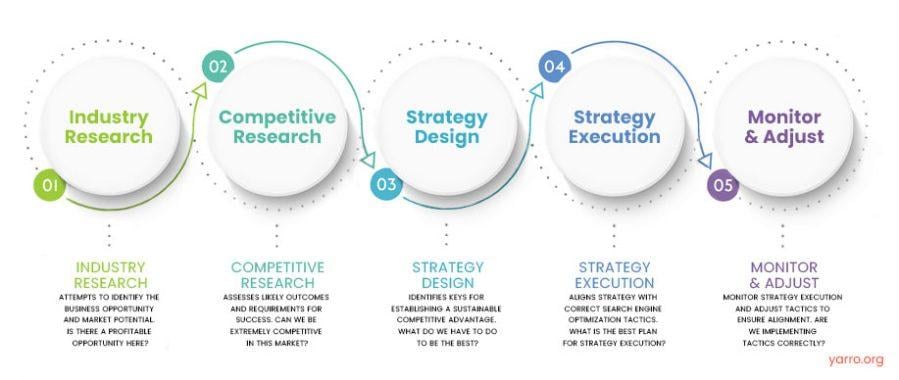
To enhance the visibility of your website and reclaim lost sales, it’s essential to adopt a comprehensive SEO strategy that aligns with your target audience’s search behavior. Start by optimizing your website’s structure and content so that it is indeed both user-friendly and search-engine friendly. This includes:
- Keyword Research: Identify the keywords that your potential customers are searching for and incorporate them naturally into your content.
- On-Page SEO: Ensure that your title tags, meta descriptions, and header tags are optimized and include relevant keywords.
- Quality Content: Create engaging and informative content that answers users’ queries, encouraging longer page visits and lower bounce rates.
Furthermore, building authoritative backlinks can significantly boost your site’s credibility and ranking. By collaborating with reputable websites or bloggers in your niche, you can tap into their audience while improving your own search engine standing. Consider the following approaches:
| Strategy | Description |
|---|---|
| Guest Blogging | Write high-quality guest posts for reputable sites in your industry. |
| Influencer Collaborations | Partner with influencers to drive traffic and gain backlinks. |
| Directory Submissions | List your website in niche-specific directories to enhance visibility. |
Harnessing Analytics to understand Visitor Behavior
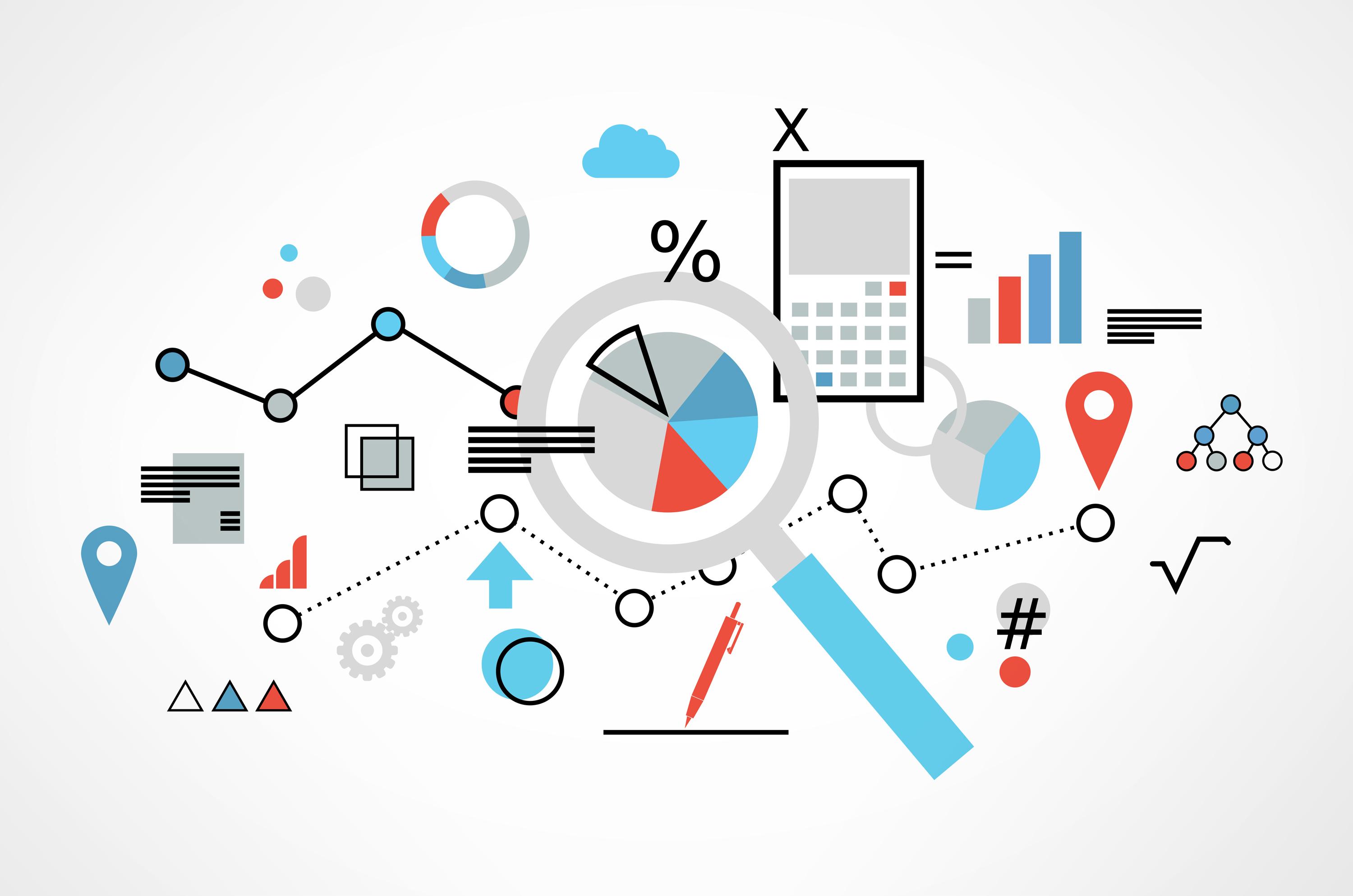
Utilizing advanced analytics tools can transform how you perceive visitor interactions on your site. By monitoring specific metrics, you can gain crucial insights into their behavior patterns. Consider examining key factors such as:
- Bounce Rate: High percentages may indicate content that fails to engage.
- Session Duration: Short sessions can signal that users are not finding what they need.
- Click-Through Rates: Low rates on calls-to-action may suggest ineffective messaging or placement.
- Conversion Paths: Understanding the routes visitors take can pinpoint obstacles in the sales funnel.
Implementing these insights allows for strategic adjustments that enhance user experience and drive conversions. For example, using A/B testing to see how changes to layout or wording impact engagement can lead to significant improvements. Additionally, segmenting your audience provides a clearer view of preferences and behaviors, enabling personalized marketing strategies that attract and retain customers. Here’s a swift overview of how simple adjustments can yield potent results:
| Adjustment | Potential Impact |
|---|---|
| Enhanced CTA Buttons | Increased click-through rates |
| streamlined Navigation | Longer session durations |
| Targeted Email Campaigns | Higher conversion rates |
Building Trust Through Effective Content and Branding

In today’s digital landscape,establishing trust is paramount for converting visits into sales. Potential customers are not just looking for products; they seek brands that resonate with their values and deliver trustworthy content. To achieve this, your website must feature high-quality, insightful articles and multimedia that genuinely address your audience’s needs. When users engage with content that informs, educates, and adds value, they perceive your brand as a credible source. This can significantly enhance their confidence in making a purchase.
Moreover, cohesive branding plays a crucial role in this equation. Ensure that every aspect of your website-from typography to color schemes-reflects a consistent identity that aligns with your brand’s message. Consider incorporating the following elements to further build trust:
- Clear Brand Messaging: Communicate your unique selling proposition effectively.
- Customer Testimonials: Showcase reviews and case studies to demonstrate satisfied clientele.
- Professional Design: A well-designed site fosters a sense of reliability.
In Retrospect
In the vast digital marketplace, your website is not just a collection of pages-it’s your brand’s storefront, the first impression for countless potential customers. if you’re feeling the pinch when it comes to sales, it might potentially be time to peel back the layers of your online presence. From overlooked design flaws to navigational missteps and unoptimized content, each element plays a crucial role in converting visitors into loyal patrons.
As we’ve explored, even the smallest hiccup can deter a potential buyer and propel them toward your competitor’s doorstep. The good news? By identifying and addressing these issues, you can transform your website into a powerful sales tool rather than a costly liability.
take a moment to audit your online space,keep your users’ experience at the forefront,and continually adapt to their needs. After all, in the world of e-commerce, your website should be a magnet for sales, not a barrier to them. as you move forward, remember that a well-optimized, user-friendly site is not just an investment; it’s the gateway to unlocking your business’s full potential. Ready to welcome growth and increase those conversions? The journey starts with a single click.