The phrase “slow and steady” sounds quaint until you watch a patient company outlast a flashy rival. In buisness as in nature, velocity is not the only measure of success: roots that grow deep, gears that mesh slowly but surely, and teams that iterate deliberately can convert what looks like delay into durable advantage. The paradox – that slowing down can sometimes get you to the finish line sooner – is no mere aphorism; it’s a pattern seen in industries where quality, trust and resilience compound over time.
“Slow” here doesn’t mean inactive. It describes strategies built on careful learning, measured investment, and an insistence on getting the fundamentals right rather than chasing short-term buzz.”Faster” isn’t just being first to market; it’s about reaching sustainable outcomes – predictable revenue, loyal customers, scalable operations – with fewer setbacks and costly reversals. When speed is decoupled from direction and discipline, it can become a liability; when pace is yoked to purpose, patience becomes an accelerant.
This article explores why deliberate growth can outpace frantic expansion: the mechanisms by which focus, iteration, and long-term thinking build compounding advantages; the contexts where slowness pays off; and the trade-offs to weigh when choosing tempo. Read on to see how, in a world that often worships speed, going slow can be the fastest route to lasting success.
Purposeful Pace: Adopt decision frameworks that trade short term velocity for long term resilience
Deliberate slowing is a strategic choice: choosing structures that favor robustness over instant applause. When teams prioritize clear decision frameworks-like pre-defined guardrails, staged rollouts, and intentional de-risking-they create space to learn and course-correct before small mistakes compound. Consider practical habits that anchor that tempo:
- Pause-and-verify: short checkpoints that validate assumptions before scaling.
- Incremental architecture: design for change, not just initial speed.
- Safety budgets: reserve capacity and time for unexpected failure modes.
Thes patterns make the organization more adaptable, letting it absorb shocks and reaccelerate stronger than teams that sprint without a map.
operationalizing this trade-off means measuring different things and rewarding different behaviors. Swap vanity speed metrics for signals that correlate with long-term health-observability coverage, recovery time, and feedback loop length-and encourage leaders to sign off on slower, higher-confidence launches. A compact comparison clarifies the shift:
| Focus | Fast-first | Resilience-first |
|---|---|---|
| Metric | Feature throughput | Mean time to recover |
| Release style | Big bang | Canary / staged |
| Outcome | Quick wins, higher fragility | Stable growth, compounding reliability |
Bold choices around cadence and accountability turn a slower tempo into a competitive advantage: it isn’t about being slow for its own sake, it’s about being intentionally paced so you can win more reliably and for longer.
Intentional Product Iteration: Use slower experimentation to reduce churn and deepen customer trust
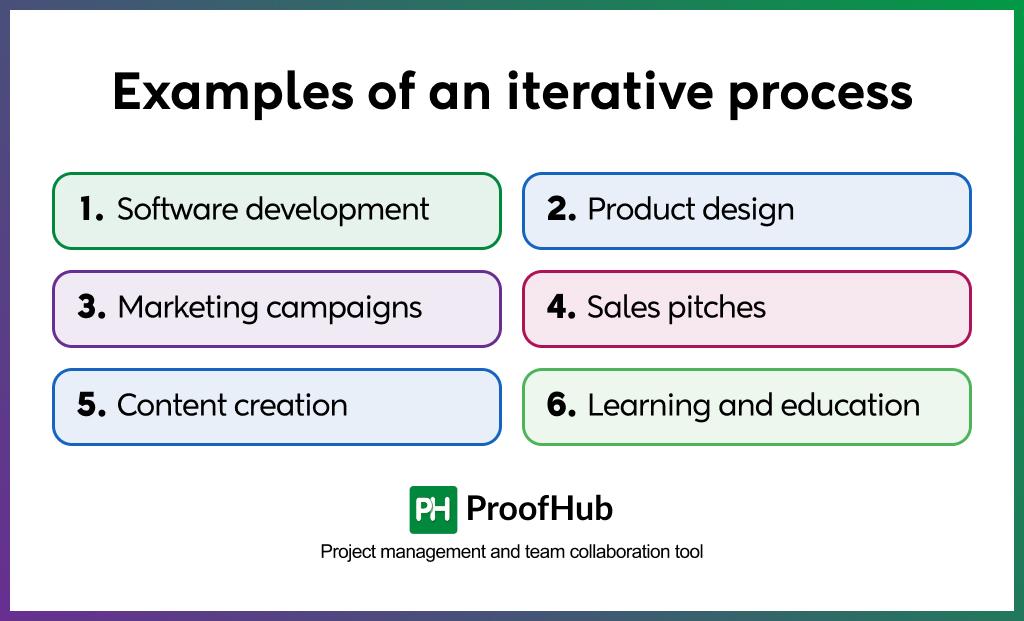
When teams trade frantic feature sprints for measured experiments, they stop chasing short-term metrics and start listening to real behavior. Slower iteration means fewer surprises in the feed and more time to validate assumptions with actual users – which lowers friction, reduces churn, and signals respect to customers.Try keeping experiments small, clear, and repeatable so each change becomes a deliberate hypothesis rather than a guess.
- Prioritize signal over speed: longer windows, clearer metrics.
- Cohort first: test on a representative segment before scaling.
- Communicate changes: tell customers why you’re changing and what to expect.
Measured cadence produces a compounding trust effect: users who feel considered are more likely to stay, refer, and forgive minor missteps. The table below illustrates a simple correlation between iteration pace,churn,and customer trust to help teams choose the tempo that fits their product and community.
| Pace | Estimated Churn | Trust Signal |
|---|---|---|
| Fast | High | Low (surprises) |
| Moderate | Medium | Growing |
| Slow | Low | High (predictable) |
Choose the tempo that aligns with your risk tolerance and customer expectations – sometimes moving slower is the fastest path to sustainable growth.
Resource Stewardship: Invest in talent training and infrastructure to compound competitive advantages over time
slow companies treat hiring, training and tooling as a portfolio, not an expense: they deliberately seed depth rather than chase breadth. This is not a cost center – it’s a compounding asset. By building learning loops, documenting decisions and funding tiny experiments, they convert day-to-day work into durable advantage.
- Mentorship: paired onboarding that transfers tribal knowledge.
- Tooling: internal platforms that shave minutes off routine tasks.
- Learning budgets: steady investments in skills, not one-off courses.
- Resilient systems: infrastructure designed for change, not just peak load.
Those small, steady investments compound: a 1% weekly gain in developer productivity or a smarter release pipeline snowballs into dramatic capacity after a year. When markets twist or competitors sprint, the organization that practiced disciplined slowness can iterate faster because its talent and systems already know how to adapt. The real speed advantage belongs to teams that use time to grow capabilities, not to shave it away.
Strategic Selectivity: Say no to distractions and focus on fewer initiatives with clearer market fit

There’s a quiet power in choosing less. When you close the door on shiny distractions, you open it wider for precision-deeper customer insight, tighter experiments, and products that actually stick. Teams that resist the urge to chase every prospect turn velocity into clarity: instead of scattering effort across ten modest bets, they place three disciplined ones that reveal true market fit. That focus doesn’t slow you down so much as remove the friction of indecision and rework; progress becomes compounding rather than noisy. • Higher retention • Faster learning • Lower burn
Pick initiatives by asking simple, measurable questions: does this solve a real problem, can we deliver it within our constraints, and will customers pay for it? Use a short, repeatable rubric to say “no” quickly and kindly, and reserve resources for the handful of ideas that pass.A compact selection process looks like this inside your team: • Demand: clear signals, not guesses • Edge: defensible difference • Feasibility: doable with current runway • measurability: outcomes you can track - fewer bets, cleaner feedback loops, and a faster path from idea to repeatable growth.
Meaningful Relationships: Cultivate customer and partner bonds through consistent service and radical transparency

Slow doesn’t mean stagnant – it means intentional. when every interaction is predictable and transparent, customers and partners stop budgeting for surprises and start planning with you. Practically, this looks like a cadence of small, reliable commitments rather than flashy, one-off wins:
- Regular check-ins: short, scheduled conversations that prevent misunderstanding.
- Visible pricing: clear tiers and explanations so decisions aren’t stalled by hidden costs.
- Public roadmaps: shared timelines that invite collaboration rather of suspicion.
- open feedback loops: channels where criticism is welcomed and acted upon.
- Consistent follow-through: the quiet habit that builds a reputation faster than any campaign.
Each small signal compounds into a relationship currency that pays out in patience, referrals, and long-term business.
Partners become co-pilots when you trade theatrics for clarity; customers stay when they feel respected and informed. Below is a compact view of how deliberate gestures translate into perceived value:
| Touchpoint | What it signals |
|---|---|
| Monthly check-in | Reliability |
| Shared roadmap | openness |
| Transparent invoices | Respect |
This steady approach may look slow on a quarter-by-quarter scoreboard, but it accelerates the business that matters most: the one you and your network are willing to sustain for years.
Measured Scaling: Implement staged growth checkpoints,operational audits and KPIs to expand deliberately and sustainably
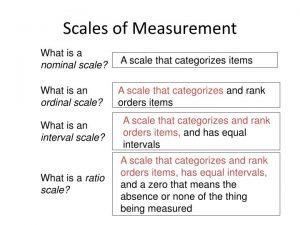
slow growth is not indecision; it’s a method. Treat expansion like a series of experiments: stage the climb with clear checkpoints,run focused operational audits at each handoff,and refuse to move on until metrics prove the hypothesis. Consider tiny, trust-building gates such as:
- unit economics validated – customers cost less to serve than they pay.
- Retention threshold – repeat usage meets your baseline.
- Throughput stability - operations absorb growth without quality loss.
- Cash runway buffer - enough capital to iterate three times.
These deliberate pauses let teams learn,simplify processes,and build muscle memory so that when acceleration happens,it’s coordinated,resilient and human-scaled.
Measure, audit, iterate: make your KPIs the language that unlocks deliberate growth. Schedule short, regular operational audits that use a consistent dashboard and simple action rules – if a KPI slips, enact a predefined corrective step. A compact reference table can keep decisions frictionless:
| Checkpoint | trigger | Action |
|---|---|---|
| Economics | Unit margin < 20% | Reprice or reduce cost |
| Retention | Monthly churn > 5% | Revisit onboarding |
| Ops | Defects > baseline | Pause new sales |
Pair that with a short list of signal KPIs –
- CAC payback
- Gross margin
- Churn rate
- Cycle time
- and you get a repeatable playbook: small bets, fast learning, and fewer catastrophic rollouts.
Final Thoughts
the lesson isn’t that speed is irrelevant, but that pace is a choice with consequences. When businesses trade instant luster for patient craftsmanship - deeper learning, sturdier relationships, and systems that survive stress – they often convert slow beginnings into faster, more sustainable wins.The paradox feels less like a trick and more like a natural law: momentum built on solid ground accelerates farther and longer. So rather than glorify haste or vilify patience, the wiser question may be which cadence best fits your goals – and whether, in the long run, a quieter rhythm might be the quickest route to staying power.