

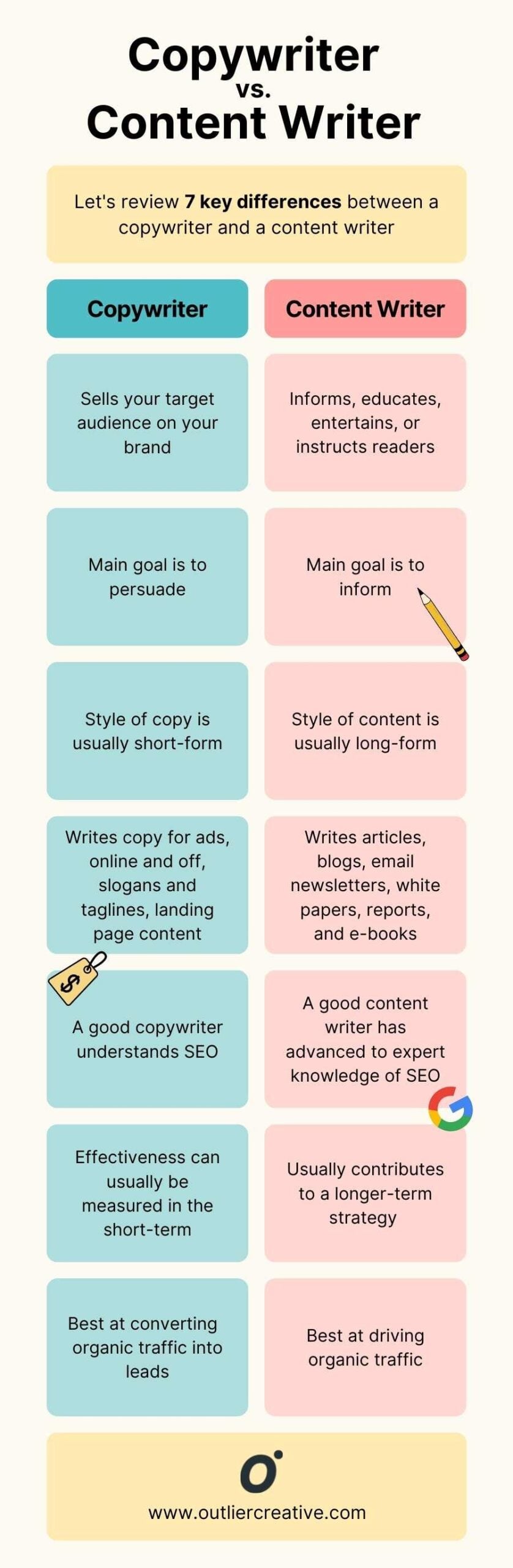

In a world where attention spans are fleeting and distractions lurk at every digital corner, the art of crafting compelling copy has never been more crucial.Weather you’re promoting a new product, sharing ideas, or rallying support for a cause, the words you choose can inspire action-or leave your audience scrolling past. But what is the secret sauce that transforms mere text into a powerful call to action? In this article, we’ll explore the essential techniques and psychological triggers that turn passive readers into engaged participants, guiding you step-by-step on how to write copy that not only informs but also ignites immediate responses. Get ready to unlock the potential of your words and learn how to make people not just read-but act now.
Understanding Your Audience’s Pain Points

To effectively connect with your audience, it’s essential to delve deep into their pain points.Understanding what keeps them up at night allows you to tailor your message in a way that resonates profoundly. Start by identifying the specific challenges they face, which could include:
- Frustrations: Daily irritations that hinder their progress.
- Desires: Aspirations that feel just out of reach.
- Fears: Anxieties that impede their decision-making.
By addressing thes elements, your copy can evoke empathy and trust. Once you have a grasp of their struggle, use it to create compelling narratives that not only highlight solutions but also showcase your brand as the answer they’ve been seeking. Here’s a simple table illustrating common audience pain points and viable solutions:
| Pain Point | Solution |
|---|---|
| Overwhelm with choices | Streamlined options that simplify decision-making. |
| Feeling undervalued | Personalized experiences that show appreciation. |
| Lack of time | Efficient products/services that save time. |
Crafting Compelling Headlines that Capture Attention
Headlines are the first impression you make on potential readers, and it’s essential to transform mere words into a beacon that piques curiosity. Start with a strong, action-oriented verb to energize your audience. For example, instead of a bland “Learn about Our Services,” opt for “Unlock Exclusive Offers Today!” This contrasts elevates your headline from ordinary to inviting. Combine this with emotionally charged adjectives that resonate with your target audience. Utilize numbers and questions to engage readers further. A practical approach could be listing benefits like:
- 5 Secrets to Boost Your Business
- How to Save Up to 50% on Essential Tools
- What’s Stopping You from Achieving Your Goals?
In addition to these strategies, ensure the headline is clear and concise, making it easy for readers to understand what they will gain. think of creative twists or wordplay that inject personality while maintaining clarity. A/B testing different headlines can provide valuable insights into which resonate best with your audience. Consider using a simple table to compare the effectiveness of various approaches:
| Headline | Engagement Rate |
|---|---|
| Unlock your Dream Vacation Today! | 35% |
| 5 Tips for Planning Budget Travel | 25% |
| Are You Ready for a Refreshing Change? | 30% |
Creating a Sense of Urgency in Your copy
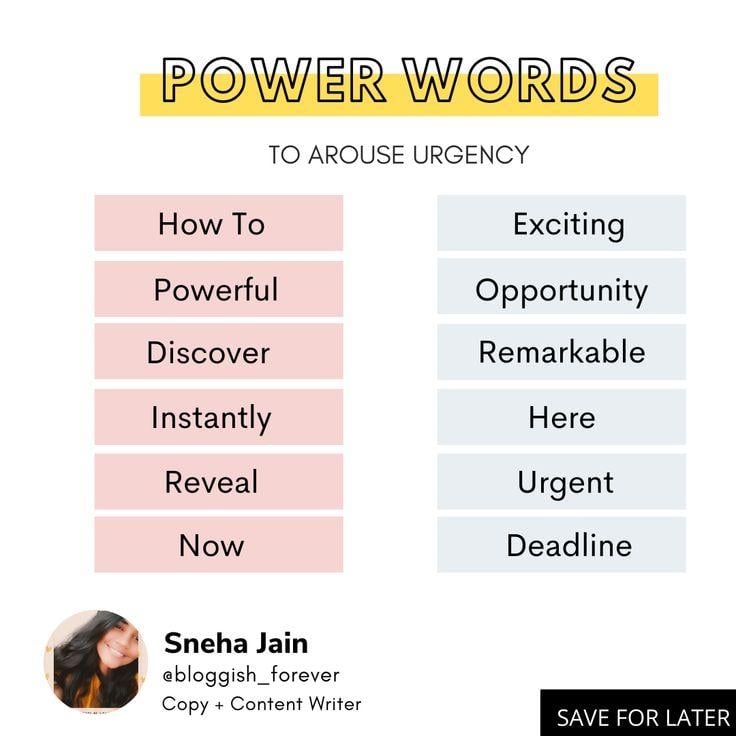
Incorporating urgency into your copy can transform a passive reader into an active buyer. To craft effective urgency, highlight limited-time offers or exclusive deals that motivate the reader to act now rather than later. Use phrases like “Only X left in stock!” or “Offer ends at midnight!” to create an immediate need.Additionally, leveraging social proof-such as testimonials or statistics about how many others have purchased the item-can amplify this effect, making potential customers feel part of a larger trend that they don’t want to miss out on. Consider a visual element, such as a countdown timer, to reinforce urgency and keep the reader engaged.
Another powerful tactic for generating urgency is to tap into fear of missing out (FOMO). Emphasize that others are already taking advantage of the prospect, or that the chance to get what they want may not come again. You can communicate this through engaging headlines and persuasive calls to action. Below is a simple comparison that demonstrates how urgency can shift perspectives:
| Without Urgency | With Urgency |
|---|---|
| Get your free trial! | Last chance for your free trial! Ends in 24 hours! |
| Sign up for our newsletter. | Join our community before it’s too late! Limited spots available! |
By framing your messages in a way that emphasizes immediate action, you’ll effectively engage your audience’s emotions and instincts, leading to higher conversion rates and satisfied customers eager to take the next step.
Utilizing Emotional Triggers to Connect with Readers

To truly resonate with your audience, it’s essential to tap into their emotions. Emotional triggers can inspire action by creating a sense of urgency or relatability. Consider the following emotional connections when crafting your copy:
- Fear: Highlight potential losses that could occur if action isn’t taken.
- Joy: Illustrate the positive outcomes that come from making a decision now.
- Belonging: Use inclusive language to make readers feel part of a community.
- Trust: Share testimonials or expert endorsements that build confidence.
Another powerful approach involves using storytelling to evoke these emotions. Readers often relate more to narrative than to facts alone. A well-structured story can stimulate empathy and drive readers toward a decisive action. Here’s an example of how different emotions can be harnessed:
| Emotion | Example in Copywriting |
|---|---|
| Fear | “Don’t miss out on protecting your family’s future.” |
| Joy | “Imagine the peace of mind that comes with financial security.” |
| Belonging | “Join thousands of satisfied customers who have transformed their lives.” |
| Trust | “Backed by experts, our solution has helped countless individuals thrive.” |
Incorporating Clear and Effective Calls to Action
To drive immediate engagement from your audience, it’s crucial to embed clear and effective calls to action (ctas) seamlessly within your copy. Each CTA should resonate with the reader’s emotion and intent, compelling them to take the next step. Consider the following strategies to enhance the efficiency of your prompts:
- be Direct: use concise language that leaves no room for ambiguity. A straightforward phrase like “Sign Up Now!” eliminates the guesswork.
- Create Urgency: Incorporate phrases that evoke urgency, such as “Limited Time Offer!” This can encourage readers to act quickly.
- Visual Emphasis: Use buttons or colored text to make your CTAs pop out visually, ensuring they catch the reader’s eye.
Leveraging the power of words goes hand in hand with strategic placement. A well-placed CTA, either at the end of a compelling story or within sections of informative content, helps to naturally transition your audience towards action. Existing data shows that CTAs can be significantly more effective when tested for different variants. Below is a simple comparison chart of effective CTAs:
| Phrase | Potential Impact |
|---|---|
| Get Started Today! | Encourages immediate action. |
| Join the Community! | Highlights belonging and connection. |
| Discover More! | Promotes curiosity and exploration. |
Maintaining Clarity and Brevity for Maximum Impact
When crafting persuasive copy,every word counts. It’s essential to distill your message down to its core components to ensure that your audience not only understands but feels compelled to act.Aim for conciseness; avoid jargon and fluff that can muddle your intent. Use strong verbs and clear language that speaks directly to your target’s needs and pain points. For maximum impact, remember to:
- Focus on benefits: Highlight what your audience will gain.
- Use action-oriented language: Encourage immediate engagement with phrases like “start today!” or “Join now!”.
- Ask questions: Spark curiosity and connect with your reader’s thoughts.
The structure of your copy also plays a crucial role in maintaining clarity. Short paragraphs and bullet points can enhance readability and keep your audience’s attention. Each section should flow logically, guiding the reader toward the desired action without unnecessary detours. For added clarity, consider using a simple table to visually present information:
| Action Item | Benefits |
|---|---|
| Subscribe to Newsletter | Get timely updates and exclusive offers |
| Download Free Guide | Access valuable insights instantly |
| Sign Up for Webinar | Learn from industry experts live |
Testing and Iterating for Continuous Improvement

Creating compelling copy is an ongoing journey that thrives on testing and measuring effectiveness. By identifying key messages that resonate with your target audience, you can experiment with different headlines, calls to action, and formats. Consider A/B testing various versions of your copy to see which garners the most engagement. For instance:
- Test Different Headlines: Bold phrases can capture attention.
- Vary Calls to Action: Experiment with urgency like “get it Today!” versus “explore Now!”
- Analyze Reader Behavior: Use heat maps and scroll maps to gauge engagement.
The key to improvement lies in your ability to iterate based on feedback. After testing, review performance metrics to ascertain what works and what doesn’t. This insight allows for informed adjustments to your copy. Utilize the insights gained to build a table of actionable steps, prioritizing those that yield the best involvement:
| Action | Priority | Expected Outcome |
|---|---|---|
| Revise Call to Action | High | Increased Click-through Rate |
| Adjust Copy Length | Medium | improved Readability |
| Include Testimonials | Low | Enhanced Credibility |
Insights and Conclusions
As we wrap up our exploration into the art of crafting compelling copy, remember that the words you choose have the power to inspire action and ignite change. Each phrase, every punctuation mark, can be a catalyst for decision-making. Your audience is waiting, and with the right blend of clarity, urgency, and emotional resonance, you can turn mere readers into engaged participants.
So, as you sit down to draft your next piece, reflect on the motivations that drive your audience and tailor your messaging to resonate with them deeply. Use the strategies we’ve discussed as your toolkit, and don’t be afraid to experiment and refine your approach.In the world of copywriting, the journey is ongoing, but one thing remains clear: action is sparked not just by what you say, but by how you say it. Your words can create a ripple effect, encouraging your audience to take that vital next step. Now, go forth and write your way into their hearts and minds, and watch as the magic unfolds. Your call to action is just the beginning.