



They don’t make flashy headlines or celebrity endorsements, and their trade shows lack red carpets, but thes quiet businesses keep the economy humming. From wastewater treatment plants to the companies that make the cheap-but-vital bolts in every machine, “boring” industries sit at the backbone of daily life: unseen, unglamorous, and often astonishingly profitable.
What looks dull at first glance-regulated utilities, industrial services, basic manufacturing, and routine maintenance-frequently hides durable advantages. Steady demand, high switching costs, regulatory barriers, and predictable cash flows create an habitat where long-term planning and operational excellence beat headline-grabbing innovation. In short, boringness can be a moat.
This article peels back the curtain on those overlooked sectors, exploring how pragmatism, repetition, and reliability translate into economic value. We’ll examine the structural reasons these businesses deliver consistent returns and why investors and entrepreneurs who appreciate reliability may find richer opportunities than those chasing the next shiny trend.
The Quiet Power of Predictable Demand
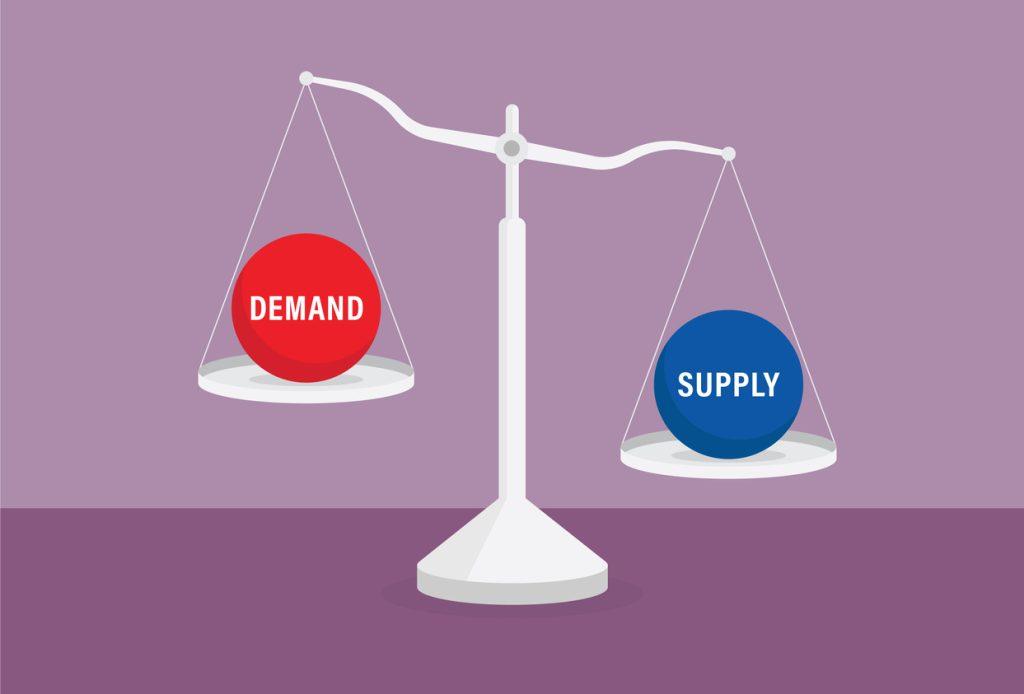
Boring industries win because they sell to customers with steady, forecastable needs - the kind of repeat purchases that make budgets predictable and factories easy to plan. When demand looks like a slow, reliable tide instead of a series of spikes, companies can squeeze margins through inventory discipline, automated workflows and long-term supplier contracts. Benefits frequently enough show up quietly but consistently:
- Stable margins: predictable volumes reduce costly rush orders and markdowns.
- Lower customer acquisition costs: repeat buyers and referral networks beat expensive one-off campaigns.
- Simpler forecasting: finance teams spend less time guessing and more time optimizing.
That predictability also reshapes risk profiles and valuations: steady cash flows let owners reinvest, pay down debt, or quietly compound returns without flashy headlines. investors may not tweet about waste-hauling fleets or industrial adhesives, but they do value businesses that behave like reliable engines – low volatility, steady growth, and predictable metrics. Track these focused KPIs and you’ll see why boring equals bankable:
- Reorder rate: how often customers come back.
- Inventory turns: speed of converting stock into sales.
- Churn: low attrition magnifies lifetime value.
Margin Secrets in Low Glamour Niches That Yield High Returns

Under-the-radar sectors hide a simple math trick: predictable demand plus minimal marketing glamour equals outsized profit per effort. When your customers value reliability over sparkle you get longer contracts, fewer returns, and the leverage to tighten operations-turning small per-unit gains into meaningful margins. Wise operators treat this like a craft: shave cost with process, increase value with specialization, and protect margin with contractual safeguards.
- Standardize offerings to reduce SKUs and simplify procurement.
- Automate billing and scheduling to convert time into scale.
- Bundle services so clients trade price sensitivity for convenience.
- Lock-in through long-term agreements and predictable delivery windows.
These levers explain why a monotonous product line can outperform flashy launches: fewer surprises, predictable cashflow, and a steeper learning curve that competitors rarely bother to climb. Below is a rapid snapshot of niche examples where those dynamics play out-small creativity,big returns.
| Niche | Typical Margin | Why it Wins |
|---|---|---|
| Commercial Waste Services | 20-30% | Steady contracts + regulatory barriers |
| Industrial Laundry | 18-28% | High repeat volume, low churn |
| specialty Adhesives | 25-35% | Technical know-how creates pricing power |
Operational Discipline That Beats Trend Chasing with Systems That Scale
Predictable markets reward predictable systems – not fireworks. Build a culture around rigor and small, repeatable wins: standard operating procedures that get refined, not tossed; feedback loops that surface tiny leaks before they flood the balance sheet; and a hiring cadence that prioritizes consistency over charisma. Practical habits compound, so embed things that are simple to audit and easier to teach:
- Standardized processes – eliminate variability that erodes margin
- Outcome metrics – track the few numbers that actually move profit
- Cadenced reviews – short, frequent checks that catch drift early
- Cross-training - reduce single points of failure and speed throughput
These are not glamorous, but they convert steady work into durable advantage.
Scaling is about turning those reliable practices into systems that hum at any size. Automate routine decisions, design modular workflows, and instrument every handoff so you can measure what used to be invisible.The simplest roadmap for expansion focuses on repeatability,resilience,and resource leverage – the quiet levers that compound profit. A quick reference for what to prioritize:
| Component | Why it matters | Quick metric |
|---|---|---|
| Checklists | Reduce cognitive errors | Defect rate ↓ |
| Automation | Scale throughput without linear hires | output per FTE ↑ |
| Modular SOPs | Faster onboarding and iteration | Time-to-productivity ↓ |
Apply these levers steadily, and you’ll find momentum grows not from chasing the next trend but from sharpening what already works.
Regulatory Moats and Steady cash Flow as Competitive Advantages
In many of the most reliably profitable sectors, government rules and licensing act less like red tape and more like an invisible fence: they limit newcomers, stabilize pricing, and turn demand into a slow-moving, predictable current. This creates predictable revenue that lets companies plan capital spending years ahead, secure long-term contracts, and pay steadier dividends. Below is a quick glance at how a few “boring” industries stack up on predictability and contract horizon.
| Sector | Predictability | Typical Contract Length |
|---|---|---|
| Electric Utilities | High | 10-30 years |
| Waste Management | High | 5-15 years |
| Insurance (P&C) | medium | 1-10 years |
Those structural protections translate into advantages investors and managers value: lower volatility, steady margins, and the freedom to optimize operations rather than constantly fight for market share. common mechanisms that deliver these outcomes include
- Licenses and permits that raise the cost of entry;
- Long-term contracts that lock in customers and pricing;
- Regulated pricing frameworks that reduce competitive price wars;
- Sunk capital investments that make quick exit unattractive.
Put together, these elements mean the dullest business models often yield the most reliable returns over decades.
How to Spot and Enter Lucrative Boring Markets with practical Steps

There’s a hidden rhythm in industries that don’t chase headlines: predictable demand, brittle competition, and profit that compounds quietly. Learn to read the signals that point to those rhythms-steady repeat purchases, heavy regulation that raises the entry bar, and service gaps that frustrate customers but rarely attract flashy startups. spotting these cues means watching beyond hype: analyze procurement cycles, supplier churn, and how frequently enough buyers switch vendors.
- Consistent reorder patterns – customers buy again on a fixed cadence.
- Fragmented supply – many small players, no dominant brand.
- high switching cost – clients avoid change unless forced.
- Regulatory tailwinds - rules that limit new entrants.
Onc you’ve identified a calm, profitable niche, enter with discipline rather than drama: pick a narrow segment, demonstrate operational excellence, and monetize through reliability rather of buzz. Start small with pilots that solve a real pain, document processes so margin scales, and use partnerships to accelerate credibility. Focus on systems that protect margin – inventory controls,contract terms,and predictable service SLAs – then expand horizontally only when those systems hum.
- Niche-first – dominate a micro-market before expanding.
- Proof via pilot – low-risk proof to win reference customers.
- Operational playbook – codify repeatable delivery.
- Pricing for durability – value-based fees that stick.
| Quick checklist | Yes / No |
|---|---|
| Repeat purchase signal | Yes |
| Fragmented competition | Yes |
| Regulatory moat | Maybe |
Building Resilience Through Pricing, Cost Control and Customer Retention

Stable margins in “boring” sectors come from predictable pricing and ruthless cost control: small price adjustments are easy to model, and routine expenses are simpler to trim without breaking the machine. When you treat price as a lever, not a whim, you create a buffer against shocks; when you treat costs as a process, not a battle, you free cash for resilience. Boring businesses win by turning friction into forecastable inputs-steady unit economics, repeatable procurement cycles, and measurable service delivery that make volatility a footnote rather than a headline.
Practical levers are straightforward and repeatable:
- Pricing discipline – periodic micro‑segmentation and simple value-based add-ons.
- Cost hygiene – standard operating procedures, supplier rationalization, and cadence audits.
- Retention focus – frictionless renewals, targeted service improvements, and loyalty nudges.
| Lever | Quick Impact |
|---|---|
| Pricing discipline | +3-7% margin |
| Cost hygiene | −5-10% OpEx |
| Retention | +10-30% LTV |
Long Term Wealth by Investing in the Companies Behind Everyday Infrastructure

Quiet companies that keep cities running – the firms that treat waste, transmit power, maintain fiber, and haul goods – are the slow, steady engines of wealth creation. Their value is not in headlines but in recurring cash, regulatory moats, and the kind of customer stickiness that makes earnings surprisingly predictable year after year. Investors who look past glamour find durable margins, predictable dividends, and lower correlation to market fads, which together create fertile ground for compounding. Consider the traits that make these businesses so investable:
- Predictable revenue streams (contracts, tariffs, usage fees)
- High capital barriers to entry – deterrents to competition
- Measured growth with steady reinvestment opportunities
All of this means you’re buying reliability more than hype – and reliability pays off over decades.
Because returns are earned steadily, small advantages compound into meaningful outcomes: reinvested dividends, gradual multiple expansion, and defensive bear-market performance. Below is a snapshot of the kinds of sectors and the investor benefits they typically deliver.
| Sector | Why it wins | Investor upside |
|---|---|---|
| Utilities | Stable demand, regulated returns | Steady dividends |
| Telecom infrastructure | High switching costs, long contracts | recurring cash flow |
| Logistics & waste | Essential services, pricing power | Resilience in downturns |
In practice, patience and capital discipline beat chase-and-flip strategies - the ordinary becomes extraordinary when given time to compound.
In Conclusion
By now it should be clear that “boring” is less an insult and more a description of a business quality: predictability, necessity, and the quiet accumulation of advantage. Industries that move without fanfare-waste management, industrial supplies, contract manufacturing, infrastructure-tend to trade volatility and spectacle for steady demand, durable margins, and barriers that protect returns over time.
That steadiness doesn’t promise headlines, but it does create value-compounding cash flows, reliable reinvestment opportunities, and resilience when markets swing. For anyone looking beyond short-term excitement, these sectors offer a different kind of appeal: lower drama, clearer models, and outcomes that reward patience and discipline.
So next time you find yourself chasing the latest shiny disruptor, pause and look for the slow engines humming underneath the economy. In the quiet corners of commerce, profitability frequently enough grows in plain sight.