A marketplace is cacophony: opinions, trends, complaints and ideas clash like street vendors shouting for attention. In that noise, some companies respond with louder megaphones-marketing louder, processes firmer-while others lean closer and listen. The latter don’t simply collect feedback; they tune themselves to the rhythms of customers, employees and the broader environment, adjusting tempo as conditions change.
Listening hear means more than passive hearing. It’s active sensing-structured feedback, data interpretation, candid conversations and a willingness to change course when new data demands it. When listening is embedded in strategy, it becomes a mechanism for spotting early signals, closing the distance between intent and experience, and turning disparate voices into coherent direction.
This article explores why companies that cultivate those listening muscles tend to fare better over time. We’ll look at how attentive organizations convert insight into adaptation, strengthen stakeholder trust, reduce costly missteps and sustain relevance in shifting markets. Rather than a short-term tactic, listening emerges as a long-term capability that shapes how firms evolve-and whether they endure.
Make Listening a Strategic Capability and Measure What Matters

Turn listening into an organizational muscle: treat signals from customers, employees, and products as strategic inputs, not occasional feedback. That means routing insights into decision-making loops, staffing cross-functional listeners, and creating rituals that reward responsiveness. When listening is engineered into workflow,small signals become early advantage rather than noise.
- customer panels for trend validation
- Social and sentiment monitoring for real-time cues
- employee feedback channels to unlock execution risk
- Product telemetry to make behavior visible
Measure what changes outcomes: focus on indicators that link listening to decisions – adoption, retention, cycle time, and resolution velocity – and stop worshipping vanity numbers. Build dashboards that show actionability (was something changed), impact (did the change move outcomes), and speed (how fast did you close the loop). Metrics should prompt a question, not just decorate a report.
| Metric | What it Shows | Cadence |
|---|---|---|
| Action Rate | Percent of signals turned into experiments | Weekly |
| Outcome Lift | Change in key outcome after action | monthly |
| Cycle Time | hours/days to close feedback loop | Real-time |
Transform Feedback into Action with Closed Loop Processes and Clear Accountability
When customers, employees or partners speak, winners are the teams that convert those voices into repeatable cycles of betterment. Create a single feedback pipeline that tags items by impact, assigns a next step and measures outcome – so insights skip the abyss of unread threads and become testable hypotheses. Simple rituals like weekly triage, visible experiments and fast learning loops ensure the organization treats every signal as actionable intelligence. Emphasize closed-loop processes and rapid experiments to shorten the distance between signal and outcome and to institutionalize learning.
- Capture every voice, everywhere
- Prioritize by customer and business impact
- Assign a clear owner with an SLA
- Run small tests, scale what works
Clarity of ownership is the oxygen feedback needs to thrive.Name the person responsible, publish SLAs, and put progress on a shared dashboard so improvements aren’t dependent on memory or mood. small governance – a named responder, a review cadence, and a visible outcomes log - turns input into measurable change and builds trust. Celebrate fixes and surface learnings to reinforce that feedback is a strategic asset,not a file cabinet.
| Stage | Owner | SLA |
|---|---|---|
| Capture | CX Lead | 48 hrs |
| Resolve | Product Owner | 10 business days |
| Learn | Ops | Monthly |
Design Systems to Capture Hidden signals and Predict customer Needs
A modern design system is less about static components and more about an observant nervous system: each atom and molecule can be instrumented to surface subtle user cues. By treating components as telemetry – capturing micro-interactions, timing, and accessibility overrides - teams can translate ephemeral behavior into actionable signals. Common early indicators include:
- Micro-hesitations – prolonged hover or dwell times before a click
- Repeat gestures – the same action performed multiple times in a session
- Context shifts – rapid changes in viewport, device, or theme toggles
- Accessibility adjustments – users changing text size, contrast, or input methods
These glimpses reveal intent long before explicit feedback appears, giving product teams room to iterate with confidence.
When those fleeting cues are normalized into a single source of truth, organizations unlock predictive insights that inform roadmaps and personalize experiences at scale. Designers, researchers, and engineers can translate patterns into experiments, reducing guesswork and shortening feedback loops. Typical outcomes include:
- quicker validation of feature hypotheses
- contextual personalization without heavy profiling
- early detection of friction that leads to churn
Measured through consistent tokens and shared metrics, these practices turn a design system from a delivery tool into a strategic sensor array that anticipates what customers will value next.
empower Teams to Act on Insights with Cross Functional Routines and Fast Experimentation
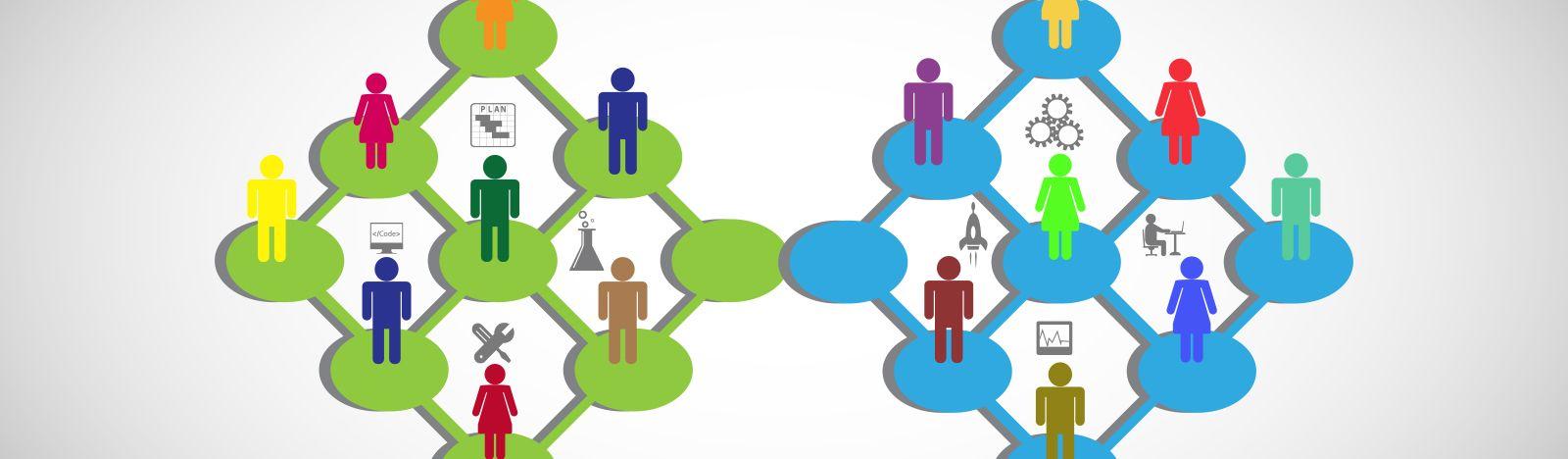
Teams that can translate customer signals into immediate action are the teams that shape markets.By building regular, cross-functional routines-mixing product, design, engineering, marketing and support-companies turn fragmented feedback into coherent opportunities. Make rituals short, visual and predictable: carve out time to review new evidence, decide on tiny experiments, and assign clear owners so momentum doesn’t stall. When insights flow through defined checkpoints rather of email black holes, learning compounds and decisions sharpen.
- daily 10-minute insight huddles with rotating customer reps
- Weekly hypothesis board reviews and priority swaps
- Monthly cross-team demos to share what failed and what scaled
Fast experimentation is not chaos-it’s a disciplined loop of small bets,fast measurement and decisive follow-through.equip teams with lightweight experiment templates, a clear metric leash, and the authority to kill or double down. Celebrate reversals as valuable information; reward speed of learning as much as speed of delivery. By lowering the cost of trying,organizations surface the right ideas sooner and invest only in what proves customer value.
| experiment type | Typical duration | Decision |
|---|---|---|
| Micro UX tweak | 1-2 days | Keep or revert |
| Landing page variant | 1-2 weeks | Scale or iterate |
| Feature pilot | 4-8 weeks | Integrate or sunset |
- Set a clear metric before launching any test.
- Timebox decisions to avoid analysis paralysis.
- Document outcomes so lessons are reusable across teams.
Build Trust and Loyalty by Communicating What You Hear and What You did

Customers and employees give you the most valuable asset: honest input. Responding with clarity – not just thanks – turns that input into durable relationships. Use plain language to echo what you heard, explain constraints, and name the next steps so people know their words landed in the right place.Small gestures matter: a short summary of the issue, a timeline for review, and one concrete change communicated publicly will outlast vague promises.
Make the follow-through visible and habitual by adopting a simple routine people can rely on:
- Acknowledge quickly - confirm receipt within 48 hours so contributors feel seen.
- Share what you decided – even when the answer is “not now,” explain why.
- Report outcomes – publish results, numbers, or stories that show impact.
These steps create a predictable loop: input → understanding → action → feedback. Over time that loop builds both trust and a quiet loyalty that no marketing budget can buy.
Turn Listening into Competitive Advantage with continuous learning and Revenue Linked Metrics

When teams make listening a deliberate capability, it stops being a feel-good habit and becomes a strategic engine. Embedding customer signals into product,sales and support workflows builds a continuous feedback loop that surfaces actionable patterns,accelerates learning,and reduces costly guesswork. The result is not just faster decisions but a measurable shift in outcomes: clearer product bets, smarter spend, and compounding gains in retention and margin.
Start linking insights to dollars and iterate relentlessly.
- Activation lift – test changes and track the conversion delta to new-paying users.
- LTV delta – measure how experiments move customer lifetime value over time.
- Churn reduction – map feedback themes to retention improvements.
- Revenue per feature – attribute incremental revenue to specific releases or campaigns.
Make these metrics visible across teams, reward learning (not just success), and watch a small, disciplined practice of listening compound into a durable competitive moat.
In Summary
The companies that win the long game do more than collect opinions – they treat listening as an engine, a habit, and a culture.By tuning into customers, employees, and the shifting signals of the market, they swap short-term applause for durable understanding. That trade-off looks quiet at first, but its effects compound: better products, fewer blind spots, steadier reputations, and an ability to pivot without panic.
Listening is not passive.It requires systems to capture feedback, minds willing to be changed, and the patience to let insights mature into strategy. Measured this way,listening becomes less of a nice-to-have and more of a strategic rhythm that keeps organizations aligned with what matters.
if the future belongs to those who can anticipate and adapt, then the simplest competitive advantage might potentially be the one companies already have within earshot.The question is how deliberately they choose to listen – and what they do with what they hear.