



In recent years, a noteworthy trend has emerged: businesses are increasingly setting their sights on smaller cities, leaving the bustling metropolises behind. This shift is not just a fleeting whim; it represents a calculated response to evolving economic landscapes, demographic changes, and the quest for enhanced quality of life. As entrepreneurs and corporations alike seek to navigate the complexities of modern commerce, smaller cities offer a unique blend of advantages, from lower operating costs to a tighter-knit community atmosphere. In this article, we will explore the compelling reasons behind this migration, shedding light on the benefits that smaller cities bring to the table, while also considering the challenges that accompany such a transition. the narrative of business relocation is transforming,and the allure of the more intimate,less frenetic locale is capturing the attention of leaders across industries.Join us as we delve into the reasons why this trend is shaping the future of commerce in America and beyond.
The Appeal of Lower Operating Costs in Smaller urban Centers

The financial landscape for businesses is shifting, with many seeking refuge in smaller urban centers where operating costs are considerably reduced. This transition not only helps companies maintain a healthy bottom line but also fosters a more sustainable environment for growth. In these cities, businesses often find benefits such as:
- Lower Rent: Commercial space is typically more affordable than in major metropolitan areas.
- Reduced Labour Costs: Businesses can access a skilled workforce at competitive wage rates.
- Lower Taxes: Many smaller cities offer tax incentives to attract new businesses.
- Less Competition: With fewer players in the market, businesses can carve out a niche more easily.
Moreover, the cost-effective resources available in smaller urban environments often enhance operational efficiency. As a notable example, utility expenses-such as electricity and water-are generally lower, providing businesses with an additional financial cushion. Here’s an overview of how costs compare:
| Expense Type | Major City Average | Smaller City Average |
|---|---|---|
| Monthly Rent (Office Space) | $3,500 | $1,800 |
| Utilities (Monthly) | $400 | $250 |
| Labor cost (Annual) | $60,000 | $45,000 |
Combining these lower operating costs with the potential for a better quality of life makes smaller urban centers an attractive option for businesses looking to optimize expenses while still achieving growth and innovation.
Cultivating Talent: The Rise of Remote Work and Local Opportunities

The evolution of remote work has revolutionized how companies source and nurture talent.As businesses shift their focus from metropolitan hubs to smaller cities, they discover a rich pool of skilled professionals eager to contribute. This migration is not just about reducing operating costs; it also creates opportunities for individuals in local communities to thrive. With flexible work arrangements, employees can enjoy a better work-life balance and lower living expenses, while organizations gain access to diverse perspectives and untapped potential.
Additionally, small cities offer unique advantages that foster innovation and collaboration.Companies are increasingly recognizing the benefits of operating in a less congested environment, allowing for greater accessibility to local resources. In these thriving locales,local talent is often accompanied by a supportive community,leading to the progress of creative partnerships and initiatives. This vibrant ecosystem encourages entrepreneurship,making smaller cities an ideal breeding ground for the next wave of groundbreaking ideas. Key factors contributing to this trend include:
- Lower costs: Reduced overhead and operational expenses.
- Quality of life: Access to natural beauty and a slower pace of life.
- Community support: Strong networking opportunities with local businesses.
- Diverse talent pool: skilled professionals seeking flexible work arrangements.
Community and Quality of Life: The Draw of Smaller Cities for Employees
Small cities present an appealing lifestyle that fosters a strong sense of community, which is increasingly becoming a significant factor for employees seeking work-life balance. Employees in these areas often benefit from:
- Lower cost of living: Housing, transportation, and everyday expenses are generally more affordable.
- Stronger connections: Smaller populations encourage networking and collaboration, leading to more profound personal and professional relationships.
- Accessible amenities: Local businesses tend to cater to community needs,making essential services easily reachable.
Moreover, the overall quality of life in these cities allows employees to thrive both personally and professionally. Many enjoy:
- Less commute stress: Shorter travel times lead to increased productivity and more time for personal endeavors.
- A healthier lifestyle: Increased access to parks and recreational areas promotes outdoor activities and well-being.
- Vibrant local culture: A rich tapestry of local events, festivals, and artisanal markets enhances community engagement.
Leveraging Technology: Infrastructure Improvements in Emerging Markets

In recent years, smaller cities in emerging markets have become beacons of chance, primarily due to significant infrastructure improvements fueled by technology.The rapid adoption of innovative solutions has empowered local governments and businesses to enhance connectivity, streamline services, and attract foreign investment. This evolution is characterized by the implementation of smart urban planning,which integrates advanced technologies like IoT,artificial intelligence,and big data analytics. The outcomes are multifaceted:
- Improved Transportation: Enhanced road networks and intelligent transportation systems reduce commuting times and boost regional accessibility.
- Digital Services: Residents can access essential services like healthcare and education online, bridging the gap between urban and rural areas.
- Investment Incentives: Governments are using technology to create obvious and efficient frameworks that attract both local and international investors.
As these infrastructural upgrades unfold, businesses are taking notice. the convergence of technology and infrastructure not only improves operational efficiency but also fosters a conducive environment for entrepreneurship. For instance, the rise of co-working spaces equipped with high-speed internet has become a cornerstone for startups, enabling them to thrive outside the traditional commercial hubs. The following table illustrates the comparative advantages of investing in emerging market cities versus metropolitan areas:
| Factor | Emerging Markets | Metropolitan Areas |
|---|---|---|
| Cost of Living | Lower | Higher |
| Market Growth Potential | High | Moderate |
| Technological Adoption Rate | Increasing | Established |
| Quality of Life | Improving | Variable |
Nurturing Innovation: How Smaller Cities Foster Unique Business Ecosystems

Smaller cities are becoming unexpectedly vibrant hubs of innovation, harnessing the power of community and collaboration to nurture unique business ecosystems. One significant advantage is the affordable cost of living that allows entrepreneurs to allocate resources towards growth rather than overhead. The proximity to local talent is another key factor; many smaller towns boast specialized universities and training programs,producing a skilled workforce ready to engage with emerging ideas. Moreover, the connectivity of these environments fosters close-knit networking opportunities. businesses can thrive on the personal relationships that are often harder to cultivate in larger metropolitan areas.
Additionally, the supportive local governments in smaller cities are eager to attract and retain businesses, often providing incentives that larger cities overlook. Programs that promote grants, tax breaks, and infrastructural support create an appealing landscape for startups and established companies alike. Events such as innovation fairs, pitch competitions, and business incubators are frequently organized to stimulate entrepreneurial spirit and collaboration. To encapsulate this ecosystem, consider the following characteristics:
| Characteristic | Description |
|---|---|
| Affordability | Lower cost of living and business operations. |
| Skilled Workforce | Access to local talent with specialized training. |
| Community Engagement | Opportunities for networking and collaboration. |
| Government support | Incentives that encourage business growth. |
Building Connections: The Importance of Local Networks and Partnerships
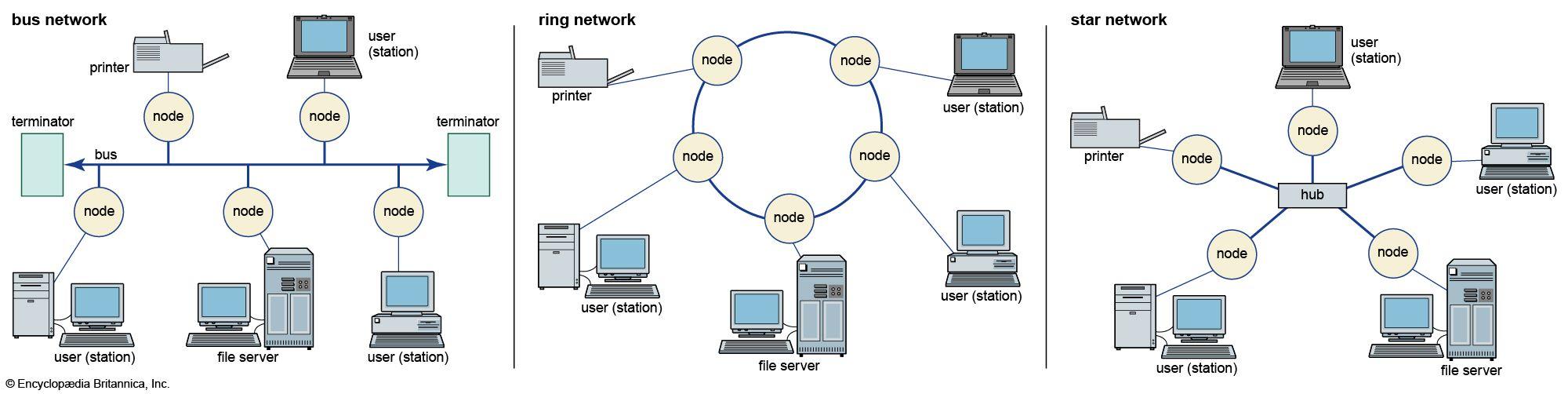
In smaller cities, the fabric of community life is woven tighter, creating an environment where local networks flourish. Businesses thrive on these connections, gaining access to a wealth of resources and opportunities. Collaboration becomes the cornerstone of success, as entrepreneurs tap into the rich expertise of nearby partners. Shared initiatives,sponsored events,and joint marketing efforts reflect a spirit of cooperation that is frequently enough absent in larger urban areas. This synergy not only drives innovation but also promotes mutual growth, allowing local businesses to amplify their impact and reach.
Moreover, the strategic partnerships formed in smaller communities often lead to reduced operational costs and increased efficiencies. By leveraging local services, businesses can cut down on logistics and transportation expenses, while also forging deeper relationships with customers who value community-oriented practices. Consider the following benefits of such collaborations:
- Enhanced visibility through local events and sponsorships.
- Resource-sharing for better project execution.
- Skill development through workshops and training sessions.
In essence, fostering local partnerships allows businesses to create a vibrant ecosystem that nurtures innovation and community engagement, ultimately leading to sustained growth and prosperity.
Sustainable Growth: The Environmental and Economic Benefits of Smaller locations

In recent years, a notable trend has emerged as businesses are discovering the advantages of relocating to smaller cities. This shift not only contributes to the revitalization of these communities but also aligns with sustainable practices.The environmental impact of decentralizing business operations can be profound. Smaller locations frequently enough offer access to natural resources, enabling businesses to adopt greener practices such as local sourcing and buffering green spaces.This results in a reduced carbon footprint, as transportation costs decrease and product distribution becomes more efficient. Furthermore, by investing in local ecosystems, companies can enhance biodiversity and foster a healthier environment.
The economic benefits of smaller cities are equally compelling, as they tend to present lower operational costs compared to their metropolitan counterparts. Businesses relocating to these areas can enjoy advantages such as:
- Reduced Rent: Commercial space in smaller cities typically costs less, allowing funds to be redirected to innovation and growth.
- Tax Incentives: Many local governments offer tax breaks or incentives to encourage businesses to establish their operations in less populated regions.
- Access to Emerging Markets: Smaller cities often provide untapped consumer bases where growth potential is high.
This combination of environmental and economic factors creates a unique synergy that propels businesses forward while bolstering local economies and enhancing livability for residents.
Key Takeaways
As we stand on the threshold of a new era in business dynamics, the migration towards smaller cities is more than just a trend; it’s a reflection of a deeper understanding of what drives success and satisfaction in the modern workforce.These burgeoning hubs of innovation and community are offering a fresh outlook, blending opportunity with quality of life in ways that larger urban centers may struggle to match.
In the heart of these smaller cities, businesses are discovering a unique synergy-where local resources meet a vibrant talent pool, and where the hustle of corporate life is tempered by the warmth of community. As companies continue to explore the benefits of this shift, it becomes increasingly clear that the future may not lie in towering skyscrapers but in the welcoming embrace of smaller city landscapes.
As we move forward, it will be fascinating to see how this change shapes not only business practices but also the lives of countless individuals seeking a balance between work and personal fulfillment. The journey has only just begun, and the possibilities are as limitless as the open skies that stretch above these promising locales. Whether you’re a business leader contemplating this move or a curious observer of evolving economic landscapes, one truth remains: the heartbeat of enterprise is shifting, and it beats happily in the smaller cities of tommorow.