


In a world where attention spans are dwindling adn competition is fierce, businesses are constantly seeking innovative strategies to engage their customers and boost growth. Enter gamification-a powerful tool that harnesses the principles of game design to enhance user experience and drive desired outcomes. By transforming mundane tasks into interactive and rewarding experiences, companies can foster loyalty, increase productivity, and unlock new avenues for expansion. In this article, we will explore the art and science of gamification, revealing practical strategies and real-world examples that demonstrate how this engaging approach can propel your business forward.whether you’re a startup looking to establish a presence or an established organization aiming for revitalization,the gamified journey to success awaits you.
Understanding Gamification: The Psychology Behind Engagement
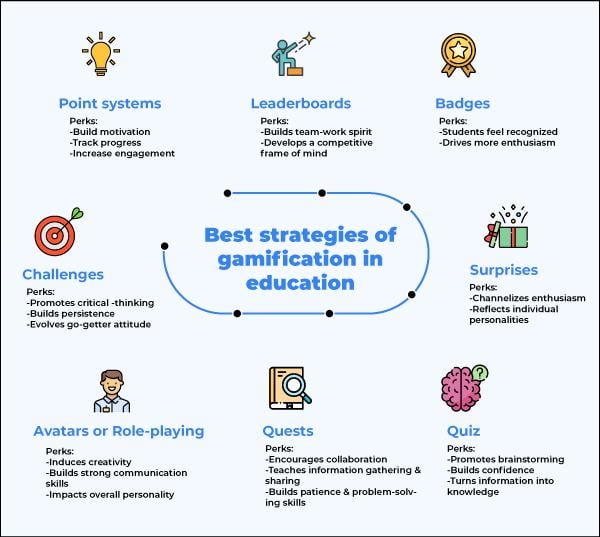
At its core,gamification leverages fundamental psychological principles to foster deeper engagement and commitment among users. By incorporating elements such as achievement badges, points systems, and leaderboards, businesses can create an immersive experience that taps into intrinsic motivators like competition and recognition.Understanding what drives individuals-be it the thrill of competition or the satisfaction of accomplishing a task-allows companies to design more engaging interactions that enhance customer loyalty and retention. ItS not just about fun; it’s about utilizing psychological triggers to encourage specific behaviors that align with business goals.
Moreover, the strategic implementation of these gaming elements can lead to significant outcomes. As an example,by analyzing user behavior and feedback,companies can establish reward systems that resonate with their target audience. Here’s a quick overview of common gamification elements and their psychological impacts:
| Gamification Element | Psychological Impact |
|---|---|
| Points | Encourages continual participation and goal-setting |
| Badges | Instills a sense of achievement and social recognition |
| leaderboards | Increases competition and motivates betterment |
| Challenges | Encourages engagement through problem-solving and exploration |
Using these elements thoughtfully not only enhances user interaction but can also convert casual users into dedicated customers, ultimately driving business growth. When users feel rewarded and recognized, they are more likely to return, fostering a cycle of loyalty that benefits both parties. When gamification is thoughtfully designed, it can transcend conventional marketing strategies and create a dynamic ecosystem that motivates users to engage consistently with the brand, leading to sustained growth.
Defining Objectives: Setting Clear Goals for Effective Gamification
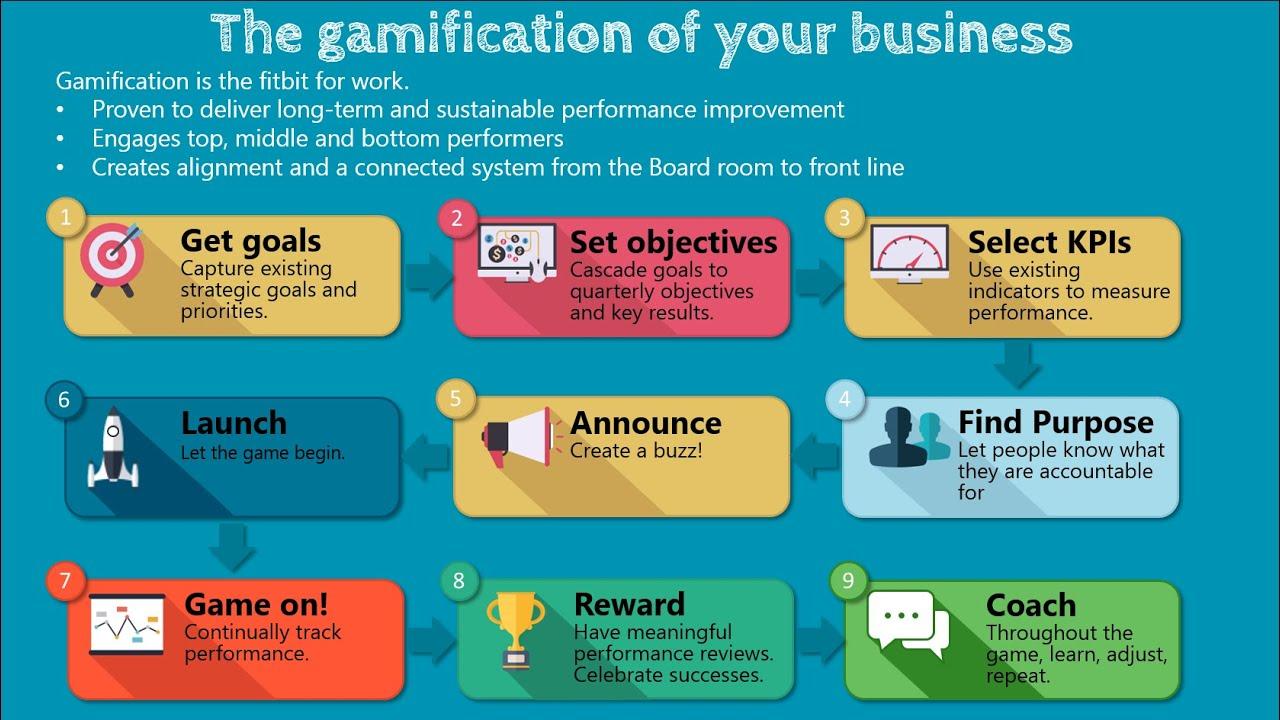
To harness the power of gamification effectively, it is crucial to define specific objectives that align with your business goals. Start by identifying the core areas where you want to create impact. Would you like to enhance customer engagement, boost employee productivity, or increase brand loyalty? Clarity in your objectives will enable you to design a gamification strategy that is purpose-driven and measurable.Consider utilizing the SMART criteria-Specific, measurable, Achievable, Relevant, and Time-bound-to refine your goals.This structured approach will not only streamline your efforts but will also help in tracking progress and determining success.
Once you have established clear objectives, it becomes essential to understand the audience that you are targeting. Different demographics respond to gamification in various ways, so tailoring your approach is key. Use surveys, user feedback, and analytics to gain insights into what motivates your audience. This data will guide you in crafting engaging game mechanics, such as point systems, leaderboards, and challenges, that resonate with the users’ preferences. For instance, you may want to consider a table to outline distinct objectives tailored for various departments within your organization:
| Department | Objective | Gamification Strategy |
|---|---|---|
| Sales | Boost productivity | Incentives through competitions |
| Marketing | Enhance customer engagement | Interactive quizzes and challenges |
| HR | improve training retention | Progress tracking and badges |
Incorporating Game Mechanics: Choosing the Right Strategies for Your Business
To effectively integrate game mechanics into your business strategy,it’s crucial to identify and select the right tactics that resonate with your target audience. Consider implementing reward systems that encourage participation and foster loyalty. By creating a points system for customer interactions, you can incentivize behaviors such as social sharing, product reviews, or even signing up for newsletters. Additionally, incorporating leaderboards motivates users by fostering a sense of competition. Highlighting top participants not only keeps engagement high but also enhances community spirit. Consider these strategies:
- progress Tracking: Allow users to visualize their achievements.
- Challenges and Quests: Design tasks that users can complete for rewards.
- Social Sharing options: Enable users to share their achievements, enhancing brand visibility.
Choosing the right game mechanics also involves understanding the demographics and preferences of your audience. Conducting user research can provide insights into what types of incentives motivate them. Such as, younger audiences may respond better to playful challenges and social gaming, while older demographics may prefer straightforward rewards and recognition. Analyzing user feedback and engagement patterns can definitely help refine techniques. A simple overview of potential strategies might look like this:
| Strategy | Target Audience | Expected Outcome |
|---|---|---|
| Points and Badges | General Audience | Increased engagement |
| Leaderboards | Competitive Users | Higher Retention |
| Social Sharing Rewards | Young Demographics | Brand Exposure |
Designing User Experiences: Creating Engaging and Rewarding Interfaces
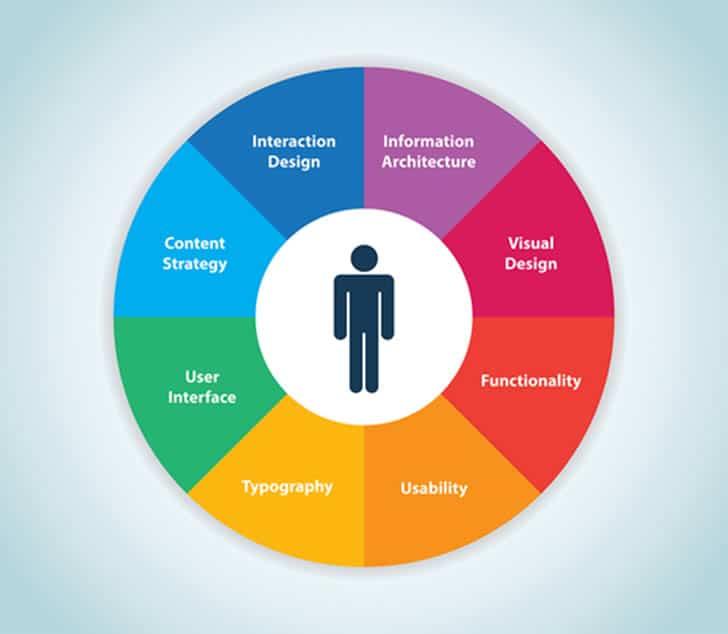
To effectively incorporate gamification into user experiences, it’s critical to understand the motivations that drive user engagement. By leveraging principles of game design, businesses can create interfaces that transform mundane tasks into exciting challenges. Consider integrating elements such as points, badges, and leaderboards to foster a sense of competition and achievement.By offering users the opportunity to earn rewards for their actions, businesses not only enhance user satisfaction but also encourage repeat interactions. This approach can lead to higher conversion rates, as users are incentivized to return to the platform to claim their rewards or climb the ranks.
Moreover, implementing storytelling into the design can significantly enrich the user experience. A seamless narrative that unfolds as users progress can keep them engaged and connected to the brand. Here are a few strategies to achieve this:
- Create a unique avatar: Allow users to personalize their profiles,adding a sense of ownership.
- Develop missions: Assign tasks that lead users to explore different features of the platform.
- Showcase progress: Provide visual feedback through progress bars or achievement showcases.
Additionally, designing user interfaces that incorporate feedback loops can significantly amplify engagement. As users interact with the platform, providing instant feedback through notifications or visual cues reinforces positive behaviors and encourages them to continue using the service.
Measuring success: Tracking metrics and Analyzing Impact
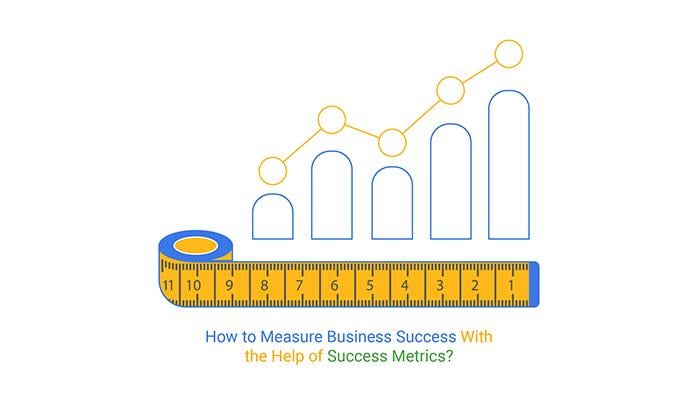
To effectively measure the success of gamification initiatives, businesses should establish a robust framework for tracking key metrics. This allows for a complete understanding of how engaged users are and how these interactions translate into business growth. Significant metrics to consider include:
- User Engagement: Tracking active users, session duration, and frequency of participation can highlight the effectiveness of gamified elements.
- Retention Rates: Analyzing how many users return after their first experience helps gauge the lasting appeal of the gamification strategy.
- Conversion rates: Monitoring how many participants convert into paying customers reveals the direct financial impact of gamifying experiences.
Additionally, utilizing data analytics tools can significantly enhance insights into user behavior and preferences.Consider conducting A/B testing on different gamification features to realize which elements resonate more with your audience. Results can be conveniently summarized in a table for easy reference:
| Feature | Engagement Level | Conversion Rate |
|---|---|---|
| Points System | High | 15% |
| Leaderboards | Medium | 10% |
| Badges/Achievements | low | 5% |
By identifying these trends, businesses can make informed decisions on refining their gamification strategies, ultimately maximizing engagement and driving lasting growth.
Adapting to Feedback: Iterating on Gamification Strategies for Continuous Improvement
Incorporating user feedback into your gamification strategies is essential for fostering engagement and enhancing user experience. A robust feedback loop enables businesses to remain dynamic, allowing strategies to evolve based on real user interactions and desires. By actively soliciting suggestions and insights from participants, you can identify what drives engagement and which elements may be lagging. Techniques such as surveys, focus groups, and user analytics can uncover valuable details about how users interact with your gamified elements. This understanding empowers businesses to refine their mechanics and reward systems to better align with user motivations.
To effectively iterate on your gamification strategies, consider implementing the following steps:
- Analyze User Behavior: Use data to track engagement patterns.
- Solicit Feedback: Encourage users to share their thoughts through direct channels.
- Test Modifications: Introduce incremental changes based on user insights.
- Measure Results: Assess the impact of changes using key performance indicators (KPIs).
Creating a cycle of continuous improvement through iterative processes not only enhances user satisfaction but also boosts overall business performance.By viewing feedback as a cornerstone of your gamification strategy,you ensure that your initiatives remain relevant and appealing,ultimately driving sustained growth.
case Studies: Real-World Examples of Successful Gamification in Business
One stellar example of successful gamification is found in Domino’s Pizza, which implemented a mobile app game called “Domino’s Pizza Hero.” In this engaging platform, users could make virtual pizzas while racing against the clock. This innovative approach not only increased user engagement but also encouraged them to order more frequently to enhance their score in the game. As a result, Domino’s reported a significant rise in both app downloads and customer loyalty, showcasing how interactive experiences can translate into tangible business outcomes. The success of this initiative lies in its ability to transform mundane ordering processes into a fun, competitive experience, effectively driving sales.
Another notable case is that of Salesforce, who introduced gamified elements within their platform to boost productivity and user adoption. They created a points and badges system, rewarding employees for completing training modules and reaching specific milestones. By fostering a healthy sense of competition among teams, Salesforce not only increased participation in training sessions but also improved overall performance metrics. Feedback from employees highlighted that this approach made learning more enjoyable and less daunting, proving that strategic gamification can enhance workplace engagement and efficiency significantly.
Insights and Conclusions
In a world where engagement is the currency of success, gamification offers an innovative pathway to unlock untapped potential within your business. By infusing game-like elements into everyday processes, you can captivate your audience, motivate your team, and drive measurable growth.Whether through rewarding customer loyalty, fostering a spirited workplace culture, or enhancing user experience, the strategies of gamification can transform mundane tasks into exciting challenges that inspire action.
As you embark on this transformative journey, remember that the key lies not just in the mechanics of games, but in understanding your audience’s desires and motivations. Tailoring your approach to fit the unique climate of your organization will create an environment where creativity flourishes, and results follow.Embrace the power of play in your business strategy and watch as enthusiasm ignites innovation. The future of your organization is not merely about right or wrong answers-it’s about continuous engagement and evolution. Now that you have the tools of gamification at your disposal, it’s time to take your first steps toward a more dynamic and prosperous future. The game is on-let the scoring begin!