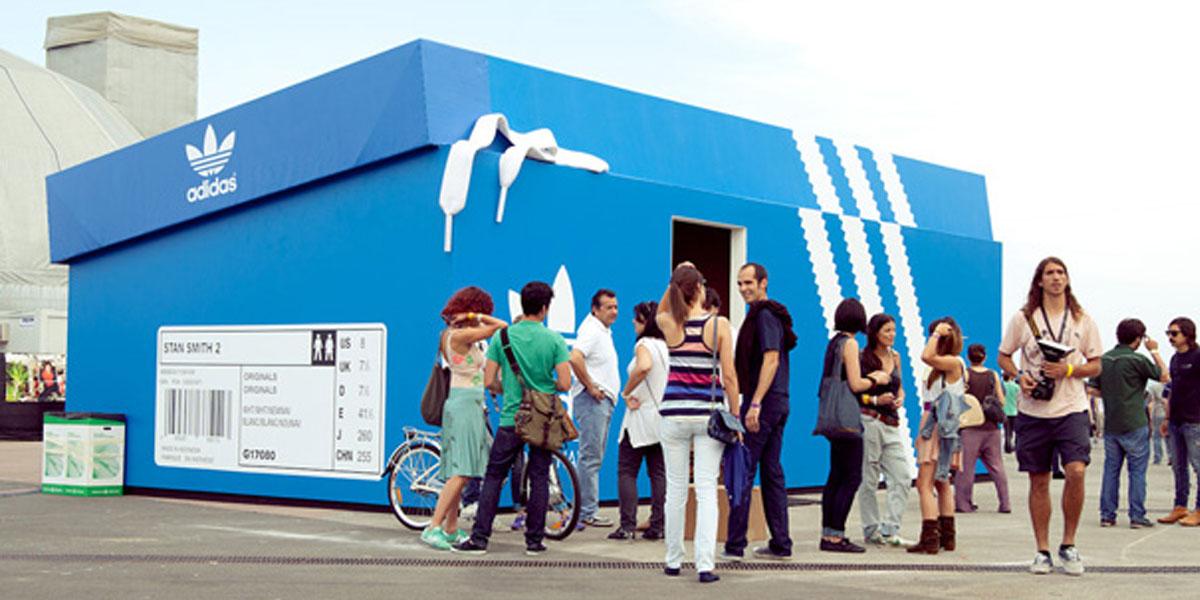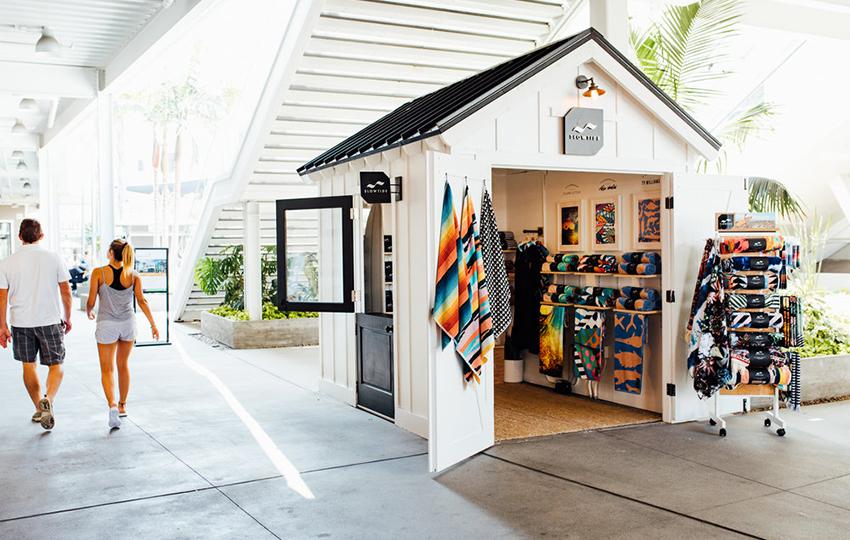

They appear overnight: a corrugated kiosk selling handcrafted candles on a sleepy corner, a designer boutique housed in a vacant storefront for a weekend, a themed café that closes as soon as the Instagrammable moment passes. Pop-up businesses-temporary, flexible commercial ventures-have shifted from novelty events to a recognizable feature of contemporary commerce, reshaping how entrepreneurs, landlords and consumers interact with urban space.
Several forces have driven their ascent: lower startup costs and shortened time-to-market,the demand for experiential retail,the uncertainty of long-term leases,and the amplifying power of social media. Pop-ups allow brands to test ideas, generate buzz and reach audiences without committing to permanent infrastructure, while property owners can monetize underused space.As a result, temporary commerce now spans food and beverage, fashion, services and even civic and cultural projects.
This article surveys that rise and considers its longer-term effects. Beyond immediate buzz, pop-ups influence retail strategies, real estate practices, neighbourhood dynamics and consumer expectations about convenience and novelty. By tracing their origins, mechanisms and outcomes, we aim to understand whether pop-ups are a passing trend or a durable reshaping of how buisness gets done in cities and online.
From temporary to Transformational: How pop up businesses are reshaping retail ecosystems and what landlords can do to benefit
Short-lived shops have quietly become the experimental labs of modern retail – seeding new concepts, reactivating empty corners, and teaching landlords how space can be a service rather than just a square meter to fill. These micro-retail activations deliver more than buzz: they produce footfall patterns, first-party customer data and vivid case studies for longer-term tenancies.
- Traffic uplift: pop-ups often spike weekday and weekend visits,introducing new audiences to a location.
- Brand incubation: emerging retailers test merchandising, pricing and audiences with low risk.
- Place-making: curated activations turn anonymous corridors into destinations that keep returning customers.
Landlords who treat pop-ups as strategic tools – not nuisances – can convert short-term activations into durable value. By offering flexible terms, plug-and-play fitouts and marketing support, property owners can build a pipeline of proven tenants while monetizing or else dormant space.
- Flexible leases: week-to-month or daily licenses that attract experimentation.
- Shared infrastructure: easy utilities, storage and signage lower the barrier to entry for brands.
- Curated matchmaking: programming pop-ups to complement permanent tenants increases basket size for all.
- Data partnerships: aggregating insight from pop-ups helps refine tenant mix and justify premium rents.
Economic Ripples and Real Estate Realities: strategic recommendations for investors and small business owners

think small, act strategically: Investors and business owners should view pop-ups not as fleeting curiosities but as deliberate probes that reveal demand, test concepts, and build local buzz. Prioritize flexible lease terms and modular build-outs so spaces can be repurposed quickly, and use pop-ups as live market research-track footfall, capture emails, and quantify conversion rates before committing to long-term capital. Key moves to consider include:
- Flexible leasing: short-term, rolling options to reduce vacancy risk.
- Data-first testing: real-time metrics to validate concepts before scaling.
- strategic partnerships: collaborate with landlords, local suppliers, and festivals to offset costs and increase reach.
- Community activation: programming (workshops, tastings) that turns transient visits into repeat customers.
These tactics compress the learning curve and make capital allocation more surgical-invest less to learn more, then scale where evidence supports it.
Balance short-term agility with long-term resilience: Real estate fundamentals still matter-location premiums, zoning constraints, and redevelopment cycles shape returns-so layer pop-up strategies on top of sound underwriting. Consider a simple snapshot to guide decisions:
| Tactic | Timeframe | Expected Outcome |
|---|---|---|
| Pop-up trial | 1-3 months | Customer proof, branding lift |
| Flexible lease | 6-24 months | Lower vacancy, adaptive use |
| Permanent pivot | 24+ months | Stable revenue, asset thankfulness |
Complement these choices with conservative cash reserves, scenario planning, and a playbook for converting short-term wins into long-term assets-this is how pop-ups become stepping stones to resilient portfolios rather than one-off experiments.
Designing Memorable Micro experiences: Practical tactics for operators to boost engagement and sales

Think of every five-minute interaction as a stage: a tiny, designed moment that can convert curiosity into purchase. Use sensory anchors-a signature scent, tactile packaging, or a sound cue-to create instant recognition; arrange fixtures so revelation feels like treasure hunting rather than shopping; and build a choreography for staff that blends friendliness with short, purposeful prompts. Small rituals-greeting with a custom token, offering a timed demo, or closing with a single-line invite to follow on socials-turn transient visitors into memorable advocates and increase the likelihood of impulse buys.
Operators can scale impact with simple, repeatable mechanics: rotate micro-offers hourly, present a visible progress meter for limited-stock items, and capture preferences with a selfie-station or a two-question checkout pop-up. Prioritize quick wins that are easy to train and measure-speed of service, surprise sampling, and clear visual cues-and document which micro-experiences move both conversion and average order value so you can iterate fast.
- Hourly flash – limited SKU + countdown
- Touchpoint tokens – stickers,tickets,or scent cards
- Micro-demo – 90-second product walkthrough
- Exit ask – single CTA: follow,join,or claim
| Tactic | Primary Impact |
|---|---|
| Sensory Anchor | Recall + Repeat Visits |
| Timed Offer | Urgency → Faster Conversions |
| Mini Demo | Trust → Higher AOV |
Community Building and Brand Testing: Measuring impact and using data to turn short runs into long term success

Pop-ups are laboratories for community and brand resonance – and the best ones treat every interaction as a datapoint. By tracking simple, repeatable KPIs you can turn fleeting curiosity into actionable insight: foot traffic mapped against time, email and SMS signups as a conversion proxy, and social engagement as a measure of emotional resonance. Use lightweight surveys at checkout and passive analytics (QR scans, beacon check-ins) to paint a nuanced picture of who your visitors are and why they stayed.
- Quantitative: visits per hour, conversion rate, average spend
- Qualitative: customer sentiment, product feedback, event mood
- Community signals: local partnerships, repeat visitors, referral frequency
when you bake measurement into the pop-up rhythm, short runs stop being isolated experiments and become iterative growth engines. Treat every activation as a hypothesis: run a variant of an offer, measure lift, and double down on the elements that cultivate loyalty. Small tactics-curated membership perks, follow-up experiences for early adopters, or a localized content calendar-translate data into durable behaviors.
- Test: A/B offers and in-store experiences
- Scale: repeat winning formats in new neighborhoods
- Embed: Turn event attendees into community champions with exclusive access
Regulation, Permitting and Risk Management: How municipalities and entrepreneurs can streamline compliance

think of compliance as a choreography rather than a hurdle: when city halls and founders move in step, pop-ups can appear overnight without tripping over red tape. Municipalities can offer a single digital portal with tiered, time-bound permits, a checklist of local health and safety benchmarks, and a fast-track lane for low-risk activations. Entrepreneurs benefit from pre-approved vendor lists and template documentation that cut turnaround from weeks to days.
- One-stop online request with status tracking
- Tiered permit levels for low-, medium- and high-risk setups
- pre-approved equipment & vendors to reduce inspection delays
- Community liaisons to mediate local concerns
Risk-management becomes practical when it’s standardized and shared: simple insurance riders, modular safety plans, and sunset clauses for pilot events let both sides test ideas without long-term exposure. Cities can publish a compact “pop-up playbook” with sample liability language, on-site inspection checklists and a dispute-resolution pathway, while entrepreneurs adopt built-in mitigation like temporary fencing or peak-hour staffing.
- Template insurance endorsements to simplify coverage
- Pilot permits with clear metrics and automatic renewal options
- Public-private toolkits for staging, waste, and noise control
Sustaining Momentum Beyond the Pop Up: Scaling strategies, partnership models and metrics to track lasting impact
Turning a fleeting crowd into a lasting customer base requires nimble thinking and a toolkit of growth moves that feel as creative as the pop-up itself. Think of the event as a launchpad: test, learn, and amplify what worked. Quick-win strategies include
- Iterate product offerings – roll bestsellers into limited runs or subscription drops;
- Hybrid presence – keep a digital storefront that mirrors the pop-up experience;
- Physical persistence – convert high-performing sites into seasonal residencies or kiosks;
- Franchise or local licensing – scale the concept with trusted operators;
- Event layering – host workshops, collaborations and community nights to deepen ties.
Each tactic is a deliberate step from spectacle toward structure: preserve the brand’s spontaneity but build repeatable systems around inventory, staffing and customer onboarding to sustain momentum.
Partnerships and measurement are the scaffolding that turn buzz into business – seek collaborators who extend reach without diluting identity: local makers, complementary retailers, influencers who actually sell, and community organizations that bring trust. Track a compact set of KPIs to know what to double down on: repeat purchase rate for loyalty, conversion per visit for experience quality, and customer lifetime value for long-term viability. A simple table helps teams align quickly:
| Metric | Why it matters | Short target |
|---|---|---|
| Repeat Rate | Shows retention from pop-up to repeat buyer | 20%+ |
| Conversion / Visit | Measures in-person experience effectiveness | 8-12% |
| Avg. Order Value | Indicates upsell and merchandising success | $40+ |
Use these numbers as a living dashboard: iterate partnerships, refine offers, and keep experiments small and measurable so the pop-up’s spark becomes an enduring flame.
Final Thoughts
As the lights dim on the latest short-lived storefront, the story of pop-up businesses is far from over – it has only moved into a new chapter.What began as a series of temporary experiments has braided itself into the fabric of retail, urban planning, and brand strategy, leaving traces that outlast any single weekend or lease. Pop-ups have taught brands to be leaner and more responsive, nudged landlords and city officials to rethink flexible use of space, and offered communities new ways to test ideas, build relationships, and reclaim corners of the city.
Their true legacy will likely be seen not in the number of tents or kiosks that appear each season, but in the habits they’ve encouraged: iterative design, ephemeral engagement, and a willingness to treat commerce as a social experiment. Whether they evolve into hybrid models, inform digital-physical integrations, or fade as fashions change, the ethos of rapid learning and low-risk innovation they introduced is already woven into modern business practice. In that sense,pop-ups have left an imprint that endures – an invitation to keep trying,adapting,and reshaping the places where we meet to buy,to sell,and to connect.